


 English
 русский
 Español
 简体中文
简体中文
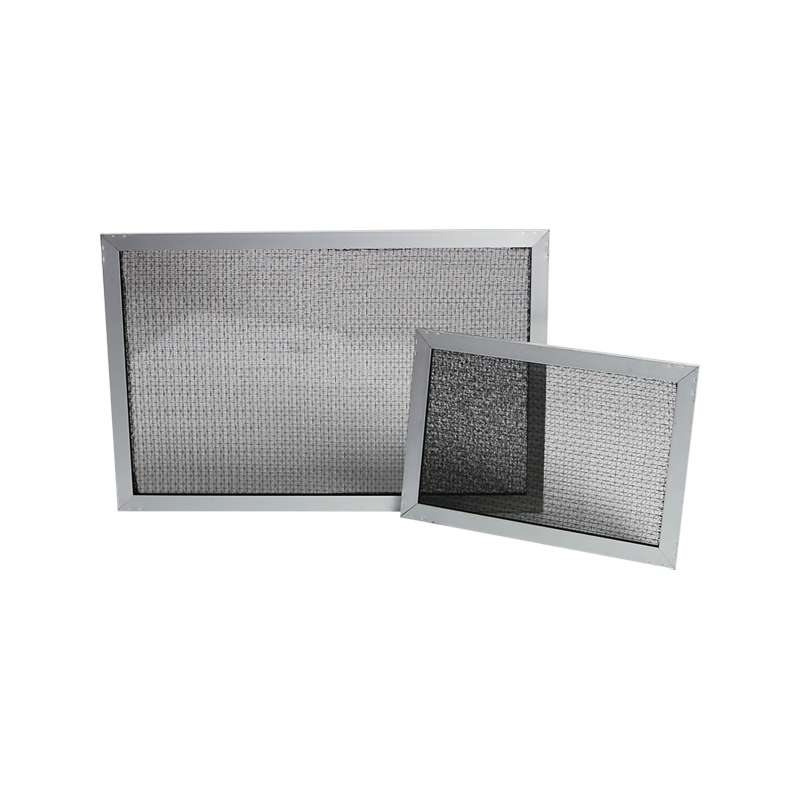
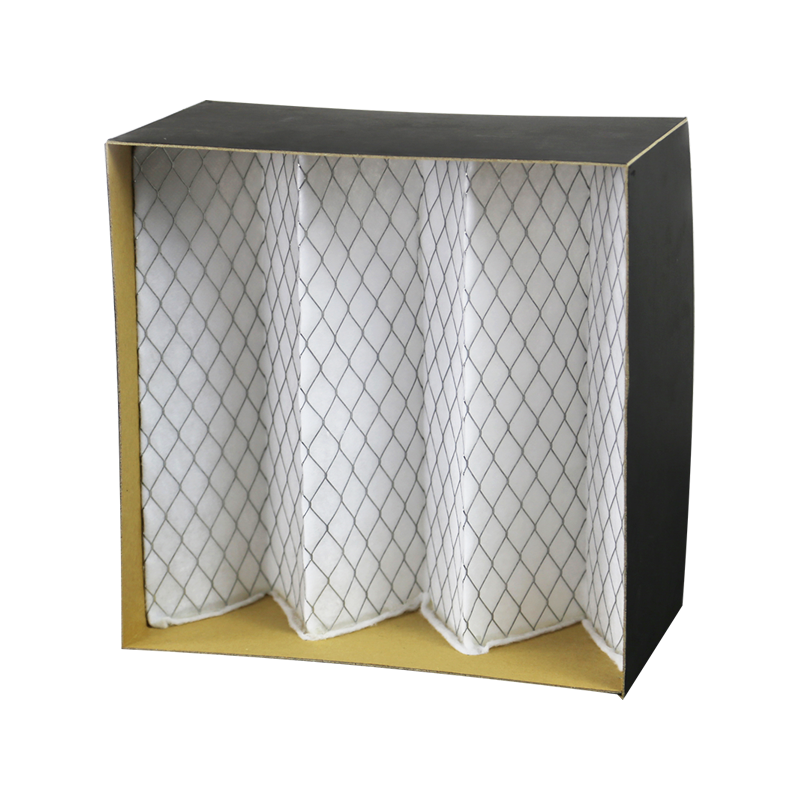
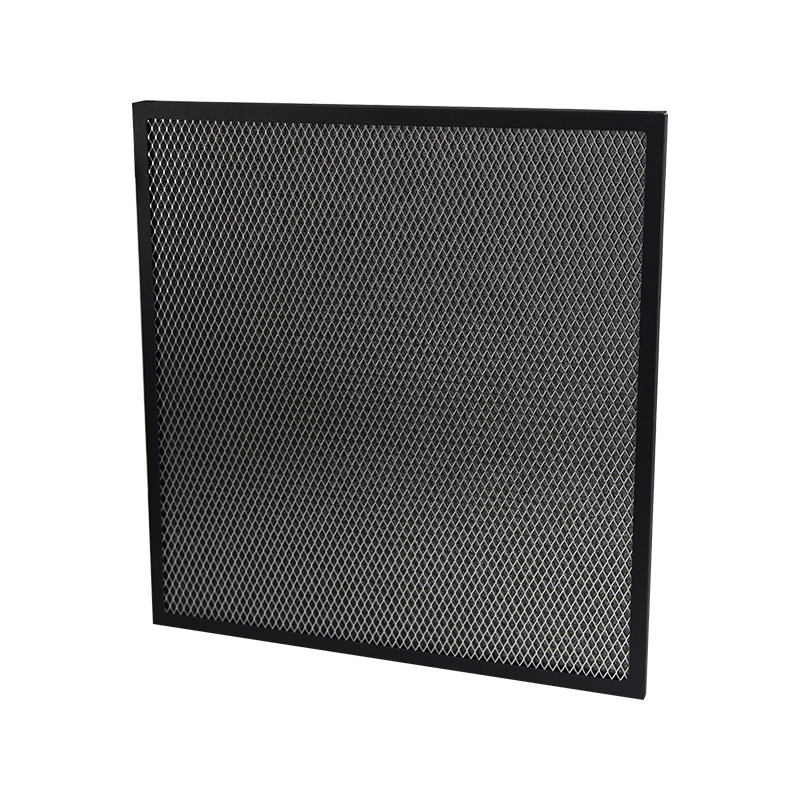
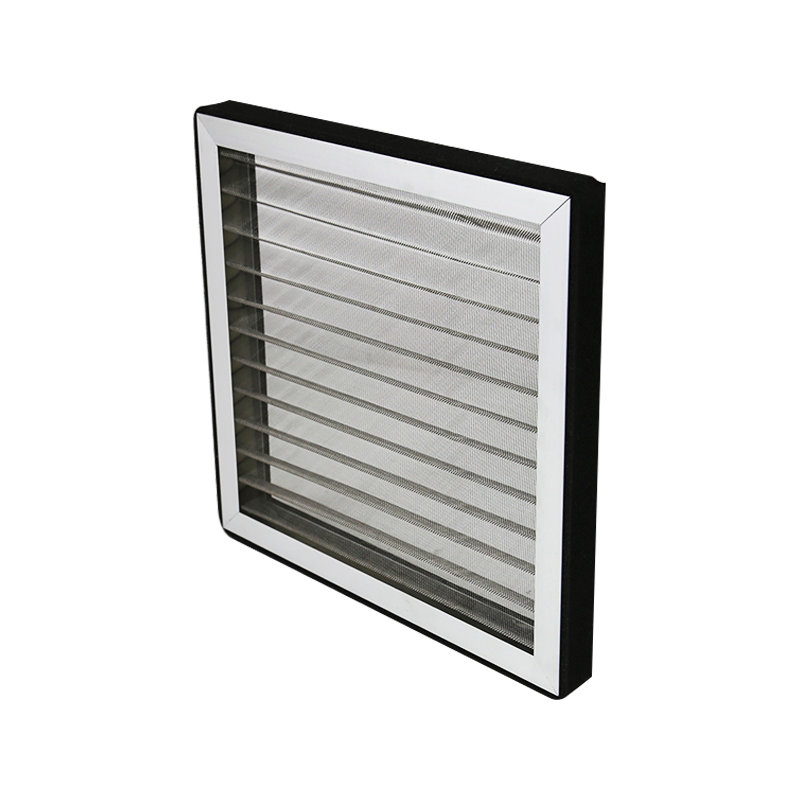
From solutions to productions, we’re specialized in making the products you need.
Home / News / Industry News / What Do You Need to Know About Air Filters for Better Air Quality and System Performance?
Content
Air filters are essential components used to remove dust, pollen, smoke, bacteria, fibers, and other airborne particles from the air before it circulates through a system or enters an indoor environment. They are widely used in HVAC systems, automotive engines, industrial ventilation equipment, clean rooms, air purifiers, and household appliances. Their primary purpose is to improve air quality, protect equipment, and ensure efficient system performance.
Whether in residential buildings or industrial facilities, airborne contaminants can negatively affect both human health and machine efficiency. For example, poor indoor air quality may contribute to allergies, respiratory irritation, and discomfort, while contaminated airflow in machinery can lead to overheating, reduced performance, and shortened equipment lifespan. This is why selecting the right air filter is critical in both personal and commercial settings.
As awareness of health, environmental control, and equipment protection continues to grow, air filters have become a key component in modern ventilation and purification systems.
Air filters are available in several types, each designed for different filtration levels and application environments. Understanding these types helps users choose the most suitable product.

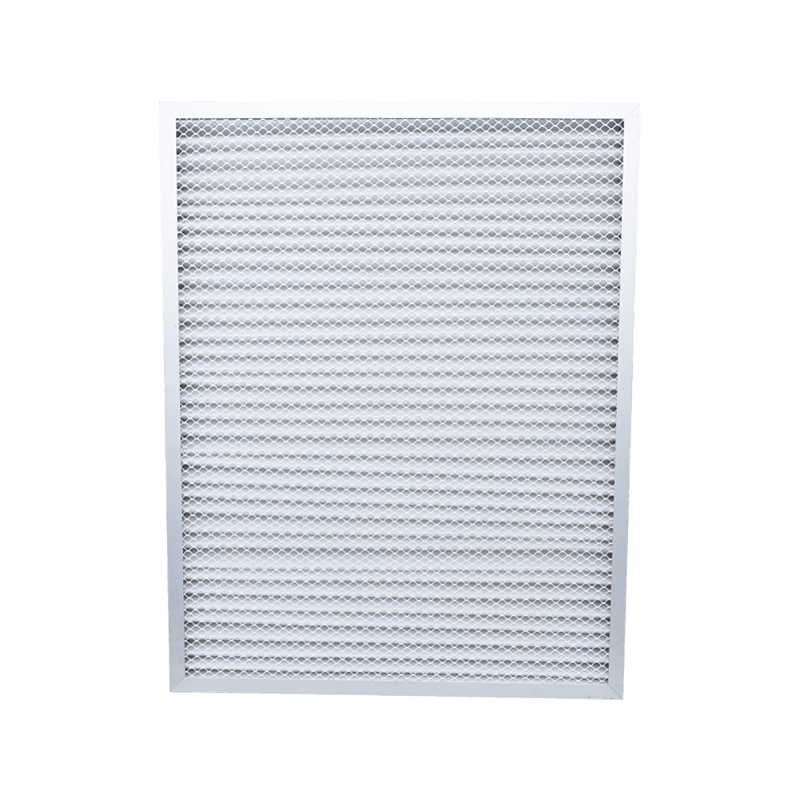
Mechanical filters trap particles physically through fiber layers. They are one of the most common types used in HVAC systems and industrial ventilation. Their performance depends on fiber density, material thickness, and filtration grade.
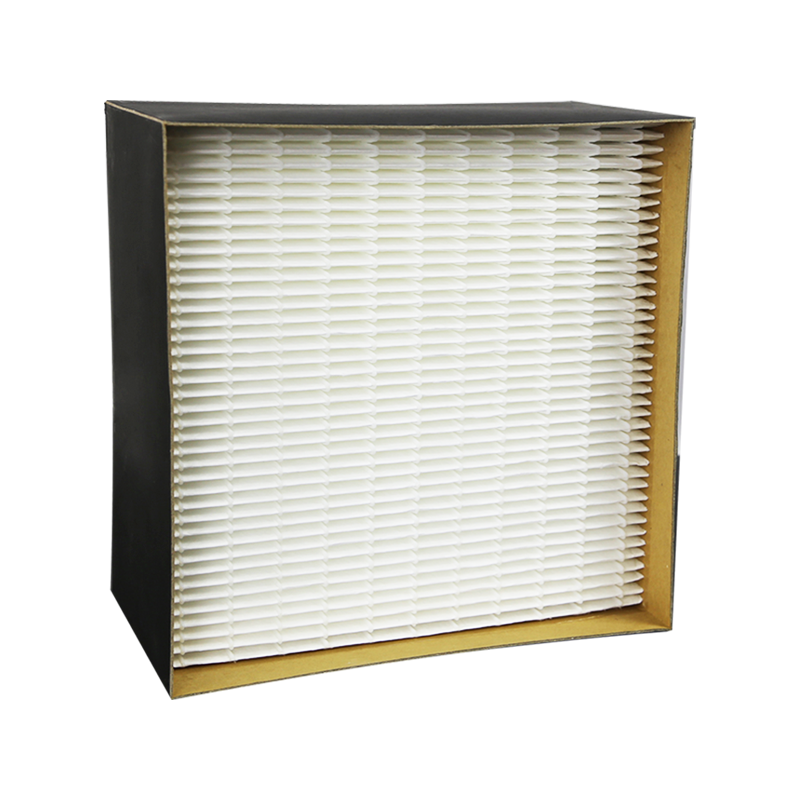
HEPA (High-Efficiency Particulate Air) filters are designed to capture extremely fine particles, including dust mites, pollen, mold spores, and bacteria. They are widely used in hospitals, laboratories, and premium home air purifiers.
These filters focus on odor removal and gas absorption. Activated carbon is highly porous and effective in trapping volatile organic compounds, smoke, and unpleasant smells.
| Filter Type | Main Function | Typical Use |
| Mechanical | Particle removal | HVAC systems |
| HEPA | Fine particle filtration | Hospitals, homes |
| Activated Carbon | Odor control | Air purifiers |
The performance of an air filter largely depends on the material used in its filter media. Different materials offer different filtration efficiency, airflow resistance, and durability.
Polyester fiber is commonly used for standard HVAC and ventilation filters because it offers a good balance of airflow and dust retention. Fiberglass filters are cost-effective and widely used in basic household air conditioning systems. Electrostatic media improves fine dust capture efficiency through static attraction.
Air filters are essential in a wide variety of industries and daily-use systems.
Heating, ventilation, and air conditioning systems use air filters to protect internal components and maintain indoor air quality. Clean filters help improve cooling and heating efficiency while reducing dust circulation.
Vehicle cabin air filters improve passenger comfort by filtering dust, pollen, and pollution, while engine air filters protect the engine from dirt and debris.
Factories, clean rooms, laboratories, and manufacturing facilities use high-grade air filters to control dust levels and protect sensitive production environments.
Replacement frequency depends on usage environment, air quality conditions, and filter type. In residential HVAC systems, filters are often replaced every one to three months. HEPA filters may last longer, depending on usage intensity.
Industrial and commercial filters should be monitored regularly through pressure drop measurements and visual inspection. Delayed replacement may reduce airflow, increase energy consumption, and negatively impact system performance.
Choosing the right air filter requires understanding the application environment and filtration needs.
For buyers, OEM suppliers, and industrial distributors, certifications such as HEPA standards, ISO compliance, and material quality assurance are important purchasing factors.
With growing concerns about air pollution, indoor health, and equipment protection, air filters are more important than ever. Whether for home comfort, industrial safety, or medical cleanliness, the right air filtration solution can significantly improve both air quality and system efficiency.
As technology advances, air filters continue to evolve toward higher efficiency, lower resistance, and smarter monitoring systems, making them an indispensable part of modern life and industry.
Does a HEPA Filter Remove Smoke — and Is It Enough to Keep Your Air Clean?
What Are the Differences and Advantages of Medium Efficiency Bag Filters Compared to Traditional Filters?














Copyright 2023 Nantong Henka Environment Solutions Co.,Ltd. All Rights Reserved
 HEPA Air Filters Manufacturers Customized HEPA Air Filters Factory
 Tel: +86-13813766750
 E-mail:
  Add: 5169, Bin'gang Ave, Binjiang Subdistrict, Haimen City, Jiangsu, China