


 English
 русский
 Español
 简体中文
简体中文
From solutions to productions, we’re specialized in making the products you need.
Home / News / Industry News / What Are the Differences and Advantages of Medium Efficiency Bag Filters Compared to Traditional Filters?
Content
Medium efficiency bag filters are a type of air filtration device designed to capture particulate matter with higher effectiveness than conventional low-efficiency filters while maintaining energy efficiency. They are widely used in commercial and industrial applications, such as HVAC systems, clean rooms, and manufacturing facilities.
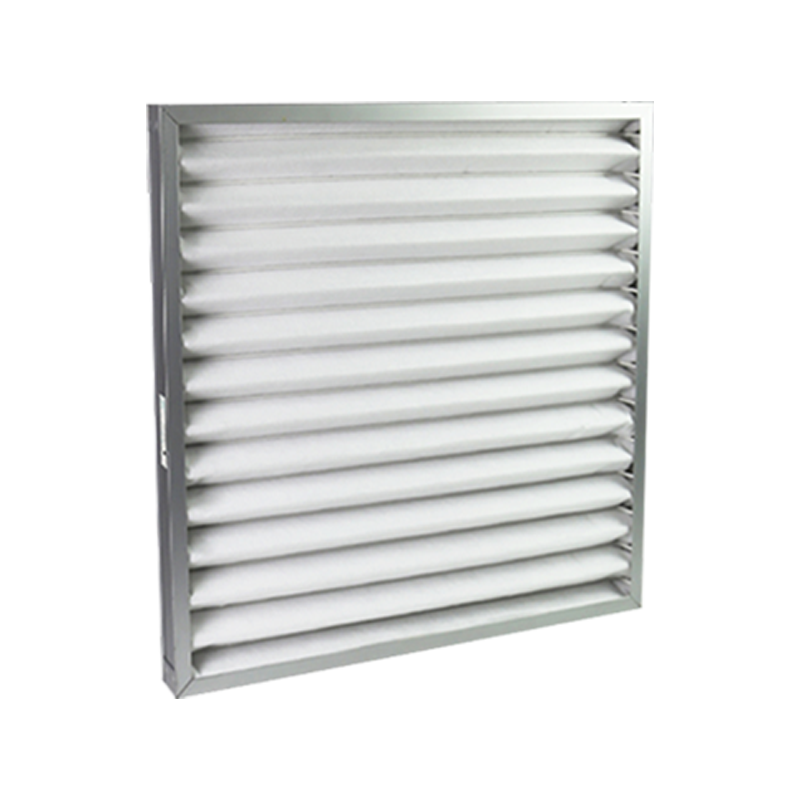
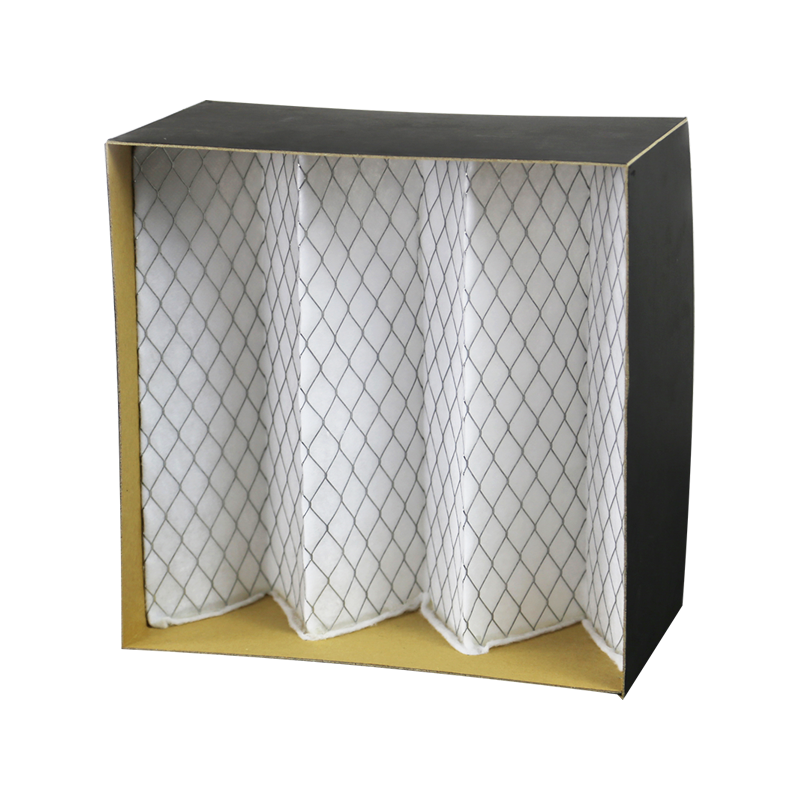
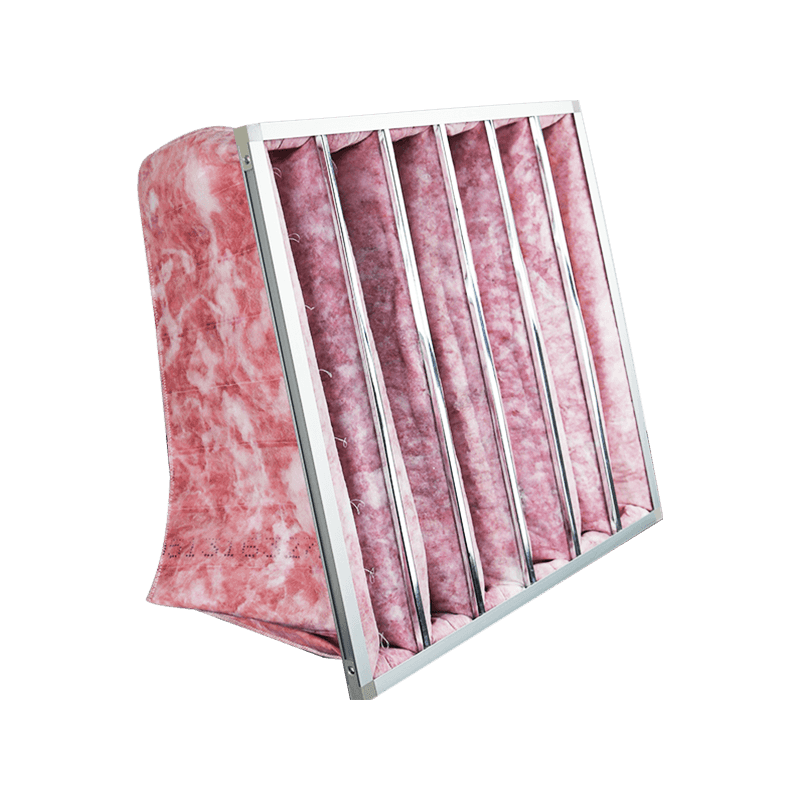
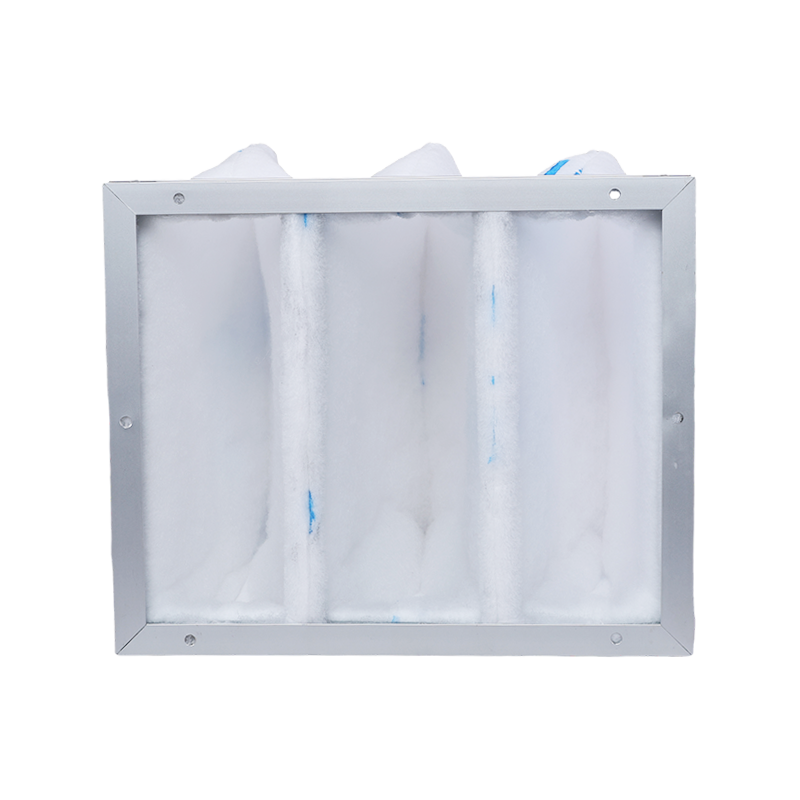
Unlike traditional filters, which often rely on simple fiber mats or panel designs, medium efficiency bag filters utilize multiple deep-pleated bags that increase surface area for particle capture. This enhanced design allows for improved filtration performance, extended service life, and better air quality outcomes.
Medium efficiency bag filters typically use synthetic or fiberglass media engineered for higher particulate retention. The fibers are arranged in a way that balances airflow resistance and particle capture efficiency. In contrast, traditional filters may use basic cellulose or less dense synthetic fibers, resulting in lower particle retention.
These filters feature multiple deep-pleated bags, which significantly increase the total filtration surface area compared to flat-panel traditional filters. The deep bag design allows for higher dust holding capacity and reduced pressure drop over time, maintaining system efficiency while capturing more contaminants.
Medium efficiency bag filters often come in rigid metal or composite frames designed to withstand high airflow and pressure. Traditional panel filters may have lightweight cardboard or plastic frames, which are less durable and can deform under higher airflow conditions.
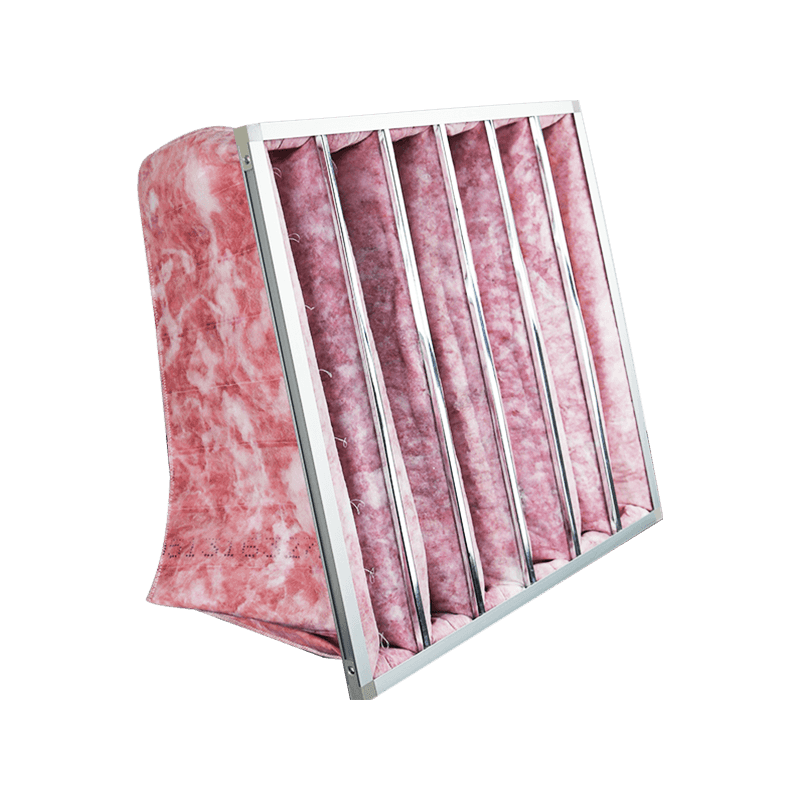
Medium efficiency bag filters can capture particles in the 1-10 micron range at rates often exceeding 50-70%, whereas traditional low-efficiency filters may only capture larger particles above 10 microns effectively. This improvement enhances indoor air quality and protects downstream equipment from particulate damage.
The increased surface area and dust-holding capacity of bag filters allow them to operate longer between maintenance intervals. This reduces labor and replacement costs, as well as system downtime compared to traditional filters that clog faster and require frequent replacement.
Due to optimized media and pleated design, medium efficiency bag filters maintain a lower pressure drop for longer periods. Lower pressure drop translates into reduced fan energy consumption, enhancing overall system energy efficiency. Traditional filters often experience rapid pressure drop increase, leading to higher operational costs.
To understand the practical differences, the following table compares medium efficiency bag filters with conventional panel or low-efficiency filters:
| Feature | Traditional Filters | Medium Efficiency Bag Filters |
| Particle Capture Efficiency | Low (10-40% for small particles) | Medium (50-70% for 1-10 micron particles) |
| Dust Holding Capacity | Low | High |
| Service Life | Short | Extended |
| Energy Efficiency | Moderate to Low | High |
| Maintenance Frequency | Frequent | Reduced |
Medium efficiency bag filters are extensively used in HVAC systems to improve indoor air quality. They efficiently remove dust, pollen, and other fine particulates, reducing respiratory irritants and maintaining clean airflow throughout commercial buildings.
Manufacturing processes that generate particulate matter, such as woodworking, metalworking, or chemical production, benefit from bag filters to protect equipment, maintain product quality, and ensure a safe working environment.
In environments requiring controlled air purity, medium efficiency bag filters are critical in capturing small particles and maintaining compliance with cleanliness standards. They provide a balance between performance and operational cost compared to high-efficiency HEPA filters.
Regular inspection ensures the filter is not clogged or damaged. Medium efficiency bag filters generally allow longer intervals between replacements, but periodic checks are essential to maintain performance and airflow.
Proper sealing within the frame is crucial to prevent air bypass. Ensuring correct airflow direction, following manufacturer specifications, and maintaining a clean environment during installation will maximize filter efficiency and lifespan.
What Do You Need to Know About Air Filters for Better Air Quality and System Performance?
How to Choose an Air Filter for Allergies: A Practical Guide














Copyright 2023 Nantong Henka Environment Solutions Co.,Ltd. All Rights Reserved
 HEPA Air Filters Manufacturers Customized HEPA Air Filters Factory
 Tel: +86-13813766750
 E-mail:
  Add: 5169, Bin'gang Ave, Binjiang Subdistrict, Haimen City, Jiangsu, China