


 English
 русский
 Español
 简体中文
简体中文
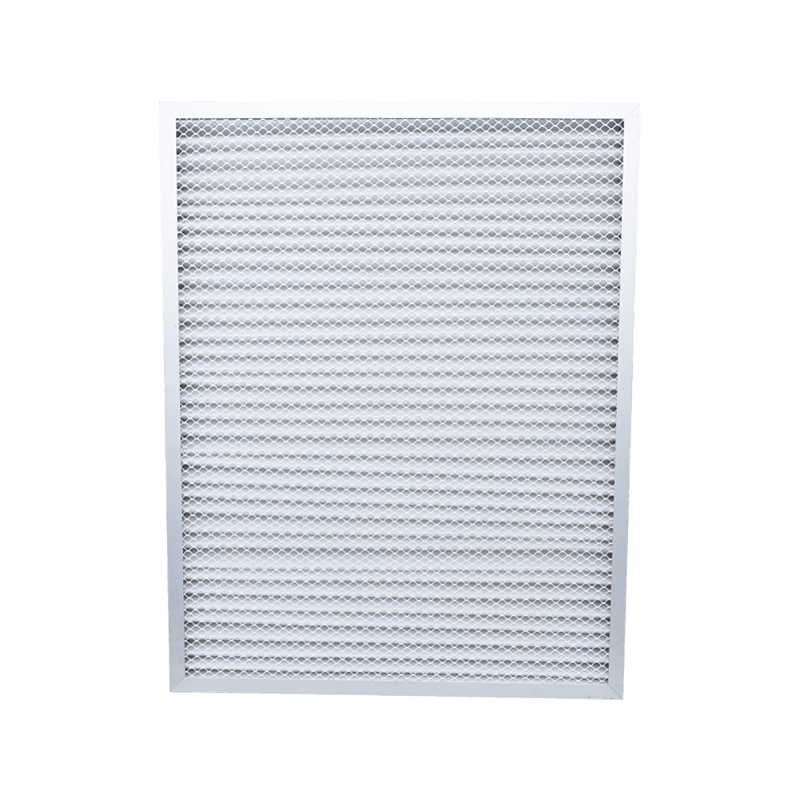
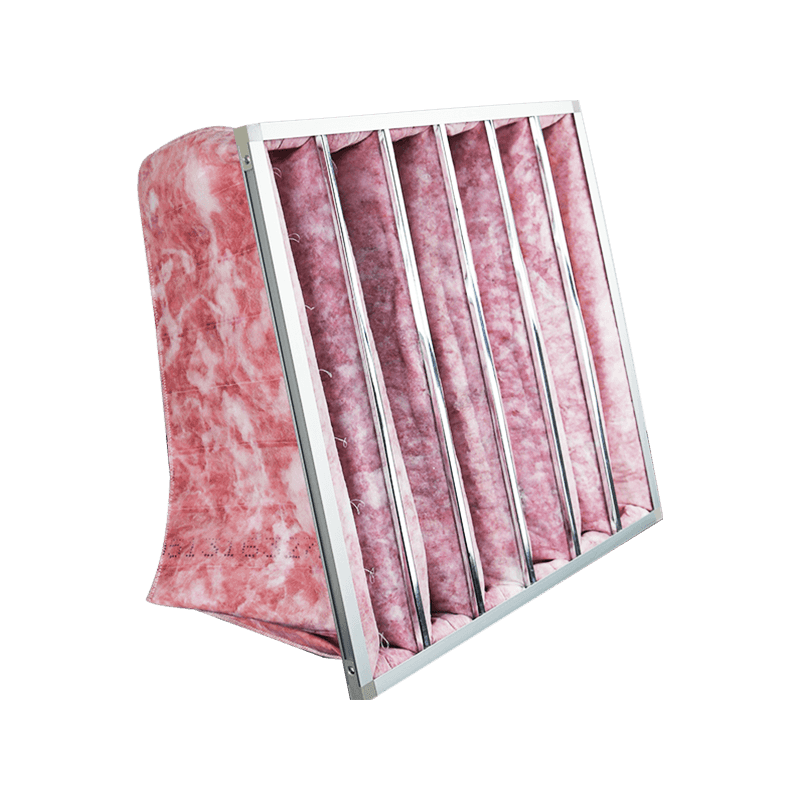
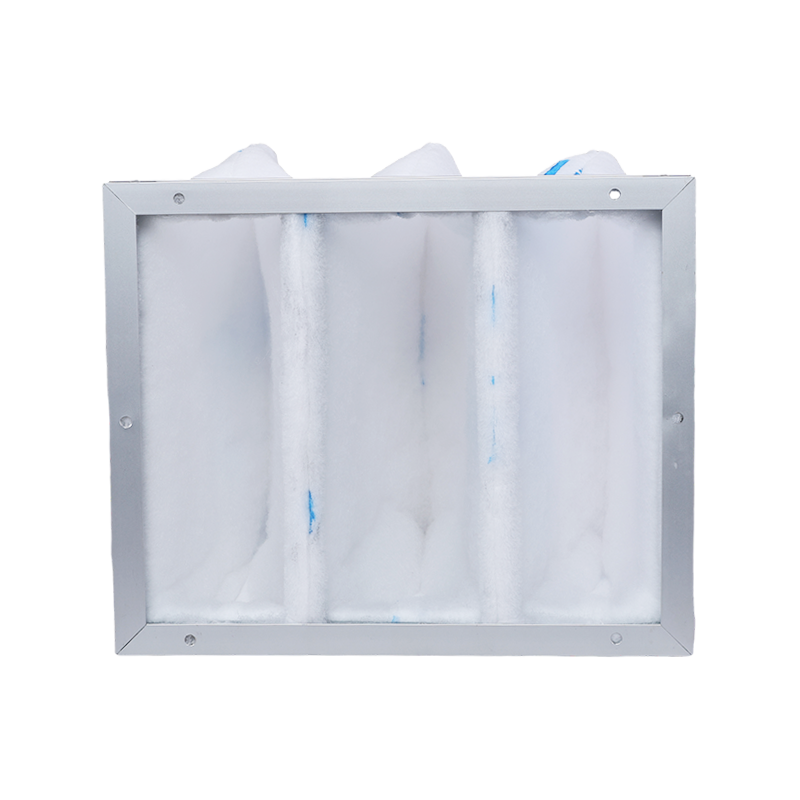
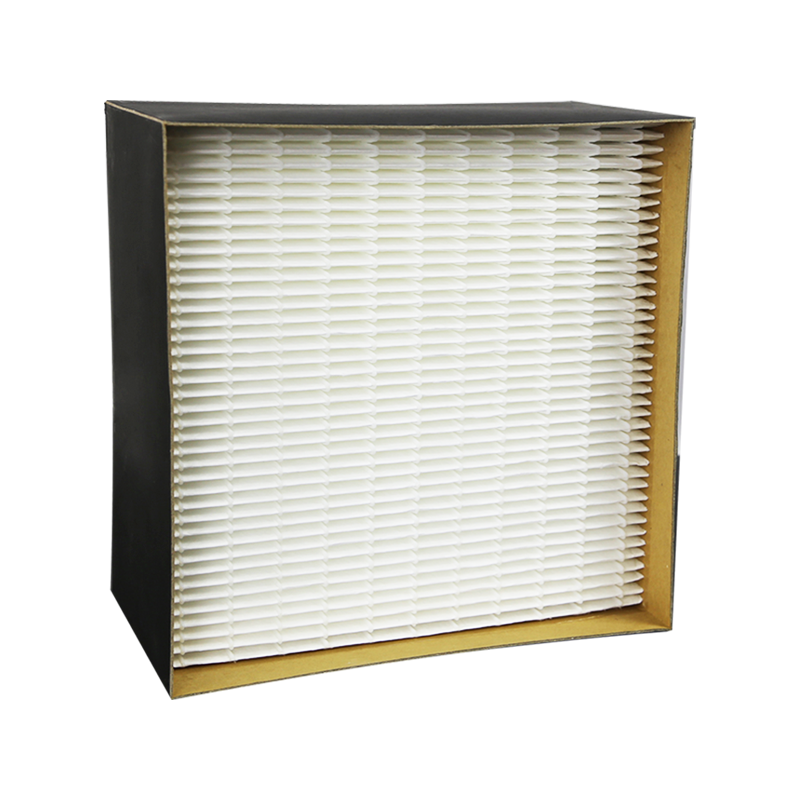
From solutions to productions, we’re specialized in making the products you need.
Industry News
Mar 03,2026
What Do Primary Air Filters Do and How Do You Choose the Right One?
Content
- 1 What Primary Air Filters Are and Where They Fit in a Filtration System
- 2 How Primary Air Filters Work: Filtration Mechanisms Explained
- 3 Key Performance Specifications for Primary Air Filters
- 4 Primary Air Filter Types and Their Best-Fit Applications
- 5 How Contaminated Primary Filters Damage Downstream Equipment
- 6 Service Intervals: When to Replace vs. When to Clean
- 7 Installation Best Practices to Ensure Full Filter Performance
Every engine, HVAC system, compressor, and industrial air handling unit depends on clean intake air to operate efficiently and reliably. Primary air filters are the first and most essential line of defense in any air filtration system — capturing dust, debris, pollen, and particulate matter before they can reach sensitive downstream components such as turbochargers, intercoolers, engine cylinders, evaporator coils, or pneumatic control systems. Despite their critical function, primary air filters are often overlooked until a noticeable performance drop or equipment failure forces attention. Understanding how they work, what differentiates a quality filter from an inadequate one, and how to manage replacement intervals correctly is essential for anyone responsible for maintaining engines, HVAC systems, or industrial air processing equipment.
What Primary Air Filters Are and Where They Fit in a Filtration System
A primary air filter is the first-stage filtration element in any multi-stage or single-stage air intake system. Its job is to intercept the bulk of airborne contaminants — typically particles ranging from 1 micron to several hundred microns in diameter — before air proceeds further into the system. In a single-stage setup, the primary filter bears the full filtration burden. In a two-stage system, it works in tandem with a secondary or safety filter positioned downstream, where the secondary element catches any fine particles that bypass the primary and provides a protective backup during primary filter servicing.
In automotive and heavy equipment applications, the primary air filter is housed in the airbox or air cleaner assembly mounted to the engine intake. In HVAC systems, it occupies the return air grille or the air handler unit's filter rack. In industrial compressed air systems, it is integrated into the inlet of the compressor or blower. Regardless of the platform, the primary filter's position at the entry point of the air stream means it accumulates contamination faster than any other filter element in the system and therefore requires the most frequent monitoring and replacement.
How Primary Air Filters Work: Filtration Mechanisms Explained
Primary air filters do not simply act as sieves that block particles larger than their pore size. They rely on multiple simultaneous physical mechanisms to capture a wide range of particle sizes with high efficiency while maintaining acceptable airflow resistance. Understanding these mechanisms clarifies why filter media selection and construction quality matter so much.
Inertial Impaction
Larger particles (generally above 10 microns) traveling in the airstream have sufficient mass that they cannot follow the rapid direction changes of airflow around filter fibers. Their inertia carries them into direct contact with fiber surfaces, where they are captured. This is the dominant mechanism for coarse dust and large debris particles common in outdoor intake environments.
Interception
Medium-sized particles that do follow the airstream streamlines are captured when those streamlines pass close enough to a fiber that the particle physically contacts the fiber surface. Unlike impaction, interception does not require the particle to deviate from the airstream — it simply needs to be large enough that its physical extent reaches the fiber as the flow passes by.
Diffusion
Very fine particles below approximately 0.3 microns are so small that Brownian motion — random thermal agitation — causes them to deviate unpredictably from airstream paths. This erratic movement significantly increases the probability that they will contact and adhere to filter fibers. Diffusion is most effective at low air velocities and with fine, densely packed fiber media, which is why high-efficiency primary filters used in sensitive HVAC and cleanroom pre-filtration applications use thinner fibers at higher packing densities.

Key Performance Specifications for Primary Air Filters
Selecting a primary air filter requires evaluating several measurable performance parameters that define how well it will protect downstream components while maintaining the airflow the system needs to operate correctly. The table below summarizes the most critical specifications and their practical implications:
| Specification | Measurement Standard | Why It Matters |
| Filtration Efficiency | ISO 16890, MERV (ASHRAE 52.2), SAE J726 | Defines what percentage of particles at specific sizes are captured |
| Initial Pressure Drop | Pascals (Pa) or inches of water column (inWC) | Lower initial restriction preserves system airflow and fuel/energy efficiency |
| Dust Holding Capacity | Grams of synthetic dust (ISO A2 fine test dust) | Higher capacity extends service intervals before replacement is required |
| Rated Airflow | CFM or m³/h | Must match or exceed system airflow demand at acceptable pressure drop |
| Operating Temperature Range | °C or °F (media and gasket rated) | Critical for engine compartment and industrial high-temperature environments |
| Moisture Resistance | Water resistance rating or hydrophobic treatment | Wet filter media collapses efficiency and dramatically increases restriction |
Primary Air Filter Types and Their Best-Fit Applications
Primary air filters are manufactured in several distinct media and structural formats, each optimized for a particular operating environment, contamination type, and service requirement. Matching filter type to application is as important as matching physical dimensions.
Dry Cellulose and Cellulose-Synthetic Blend Panel Filters
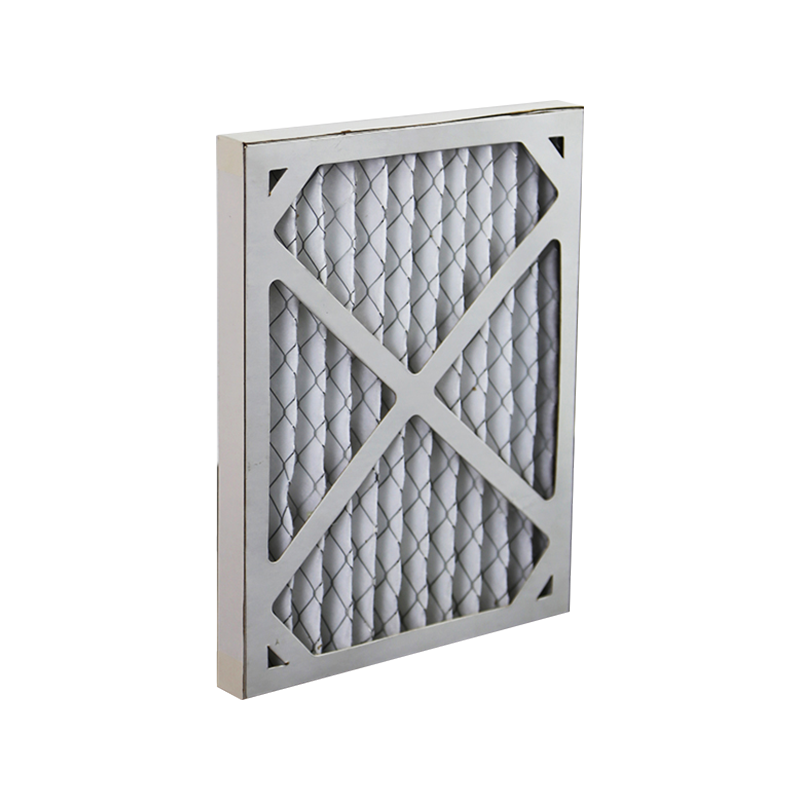
The most common type in automotive and light equipment applications, these filters use pleated cellulose paper media — sometimes blended with synthetic polyester fibers for improved efficiency and moisture resistance — housed in a cardboard or molded plastic frame. The pleated design maximizes surface area within a compact package, improving both dust holding capacity and airflow. Standard replacement panel filters for passenger vehicles and light trucks fall into this category. Pure cellulose filters are cost-effective but sensitive to moisture; cellulose-synthetic blends tolerate humid conditions significantly better.
Radial Seal Cylindrical Filters for Heavy Equipment
Construction equipment, agricultural machinery, mining vehicles, and large diesel engines use cylindrical primary elements with a radial seal gasket at one or both ends. The radial seal design applies sealing force along the filter's circumference rather than across a flat face, providing superior sealing under vibration and thermal cycling — conditions that routinely cause flat gasket seals to leak on heavy-duty equipment. These filters operate in extremely harsh environments where dust concentrations can be many times higher than on-road levels, making their high dust holding capacity and robust construction essential.
Foam and Polyurethane Pre-Cleaner Wraps
In the most demanding dusty environments — such as combine harvesters during grain harvest, motorcycles on dirt tracks, or generators in desert construction sites — an open-cell polyurethane foam pre-cleaner is fitted around or upstream of the primary paper element. The foam captures large particles and can be oiled to improve fine particle adhesion, dramatically extending the service life of the paper primary element by absorbing the initial coarse dust load before it reaches the main filter media.
HVAC Pleated Panel Filters (MERV-Rated)
In HVAC applications, primary air filters are classified using the MERV (Minimum Efficiency Reporting Value) scale from 1 to 16, or the newer ISO 16890 ePM classification. For residential systems, MERV 8–11 pleated filters are the standard primary filter choice, capturing pollen, dust mite debris, mold spores, and pet dander without creating excessive static pressure that overworks the air handler fan motor. Commercial HVAC systems frequently use MERV 13 primary filters as the first stage before higher-efficiency secondary filtration, balancing particle capture against energy consumption.
How Contaminated Primary Filters Damage Downstream Equipment
A clogged or failed primary air filter damages equipment through two distinct failure modes that are equally destructive but operate differently. The first is restriction-induced damage. As a filter loads with captured particles, airflow resistance increases progressively. In an engine, restricted airflow creates a rich fuel-air mixture, increasing fuel consumption, raising exhaust temperatures, and in turbocharged engines, causing compressor surge that stresses turbocharger bearings. In HVAC systems, increased static pressure from a loaded filter forces the blower motor to work harder, shortening motor life and increasing electricity consumption by 10–15% as the filter approaches the end of its service life.
The second failure mode is bypass contamination — where a damaged, improperly seated, or structurally failed primary filter allows unfiltered air to pass directly into the system. Even brief bypass events in an engine intake introduce abrasive particles that embed in cylinder walls, score piston rings, and accelerate bearing wear at rates that can shorten engine life by tens of thousands of miles. In HVAC systems, bypass contamination coats evaporator coils with particulate buildup, reducing heat transfer efficiency and providing a breeding medium for mold and bacteria growth within the air handling unit.
Service Intervals: When to Replace vs. When to Clean
Primary air filter service intervals are environment-dependent, not just time or mileage-dependent. A filter installed in a clean urban environment may last three times longer than an identical filter in a dusty agricultural or construction setting. Relying solely on manufacturer-stated mileage or hour intervals without accounting for actual operating conditions leads to either premature replacement (wasting serviceable filters) or overextended service (allowing damaging restriction or filter failure).
- Restriction-based monitoring: The most accurate method for engine and compressor applications is a restriction indicator (vacuator or magnehelic gauge) mounted downstream of the primary filter. These devices measure intake vacuum and trigger a visible or electronic alert when restriction reaches the filter's rated maximum — typically 25 inWC (6.25 kPa) for heavy equipment and 15 inWC (3.75 kPa) for passenger vehicle filters. Service based on restriction measurement maximizes filter service life while preventing harmful over-restriction.
- Visual inspection: For HVAC and light-duty applications without restriction gauges, monthly visual inspection of filter loading provides adequate monitoring in most residential and commercial settings. A filter that appears uniformly gray-brown across its entire face has reached near-full loading and should be replaced regardless of the calendar interval.
- Cleaning vs. replacement: Dry pleated paper primary filters should never be cleaned with compressed air directed from the outside in — this drives embedded particles deeper into the media, permanently increasing restriction and potentially creating micro-tears in the filter paper. Compressed air cleaning is only marginally acceptable as a temporary field measure, applied from the clean side outward at low pressure. In practice, the cost difference between cleaning and replacement rarely justifies the risk of reinstalling a compromised filter — replacement is the recommended standard for any filter that has reached its service indicator.
Installation Best Practices to Ensure Full Filter Performance
Even a correctly specified, high-quality primary air filter will fail to protect downstream equipment if it is installed incorrectly. Seal integrity is the single most critical installation factor. Before fitting a new primary element, inspect the filter housing sealing surface for dents, warping, corrosion, or debris that could prevent the filter gasket from seating uniformly. Wipe the sealing surface clean with a dry cloth. Never apply grease or sealant to paper filter gaskets — the gasket material is designed to compress and seal with the correct clamping force alone, and added lubricants can cause the gasket to shift position under vibration.
After installation, verify that all housing latches, wingnut fasteners, or band clamps are correctly engaged with uniform tension. For radial seal filters on heavy equipment, confirm that the sealing end of the filter is fully engaged with the outlet tube before tightening the end cap. Check all intake ducting downstream of the filter for cracks, loose hose clamps, or disconnected joints — any unfiltered air path bypasses the primary filter entirely, regardless of how correctly the filter itself is installed. After the first operating cycle, re-inspect the housing for any evidence of dust ingestion on the clean side of the filter, which would indicate a sealing failure that must be corrected before continued operation.
What Does a Primary Air Filter Do and When Should You Replace It?
Metal Mesh Primary Filter vs Fiberglass: Why Metal Wins
related products

 Tel: +86-13813766750
 E-mail:
  Add: 5169, Bin'gang Ave, Binjiang Subdistrict, Haimen City, Jiangsu, China
partners














Copyright 2023 Nantong Henka Environment Solutions Co.,Ltd. All Rights Reserved
 HEPA Air Filters Manufacturers Customized HEPA Air Filters Factory