


 English
 русский
 Español
 简体中文
简体中文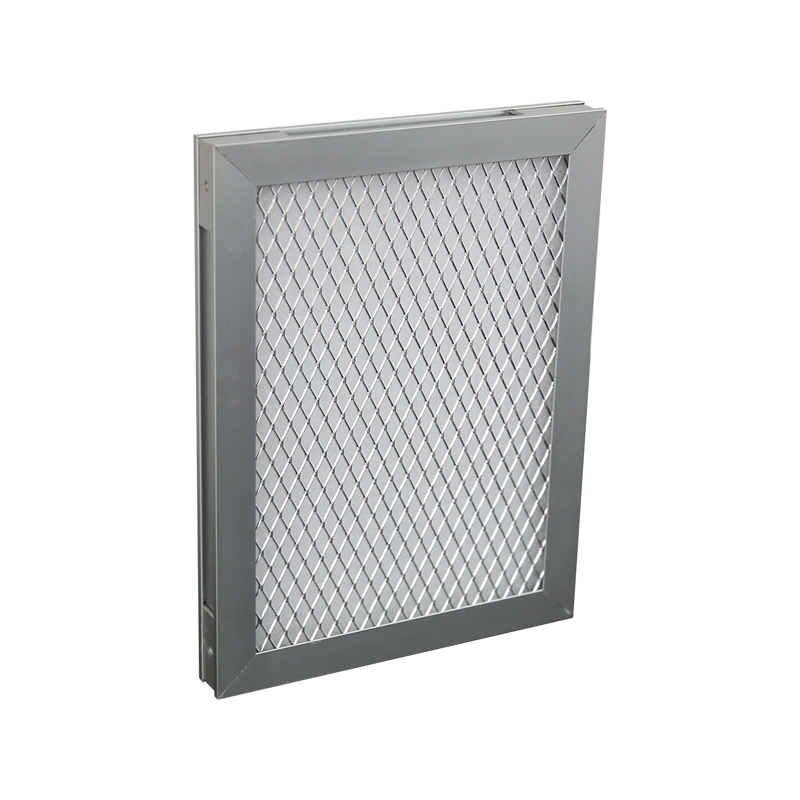
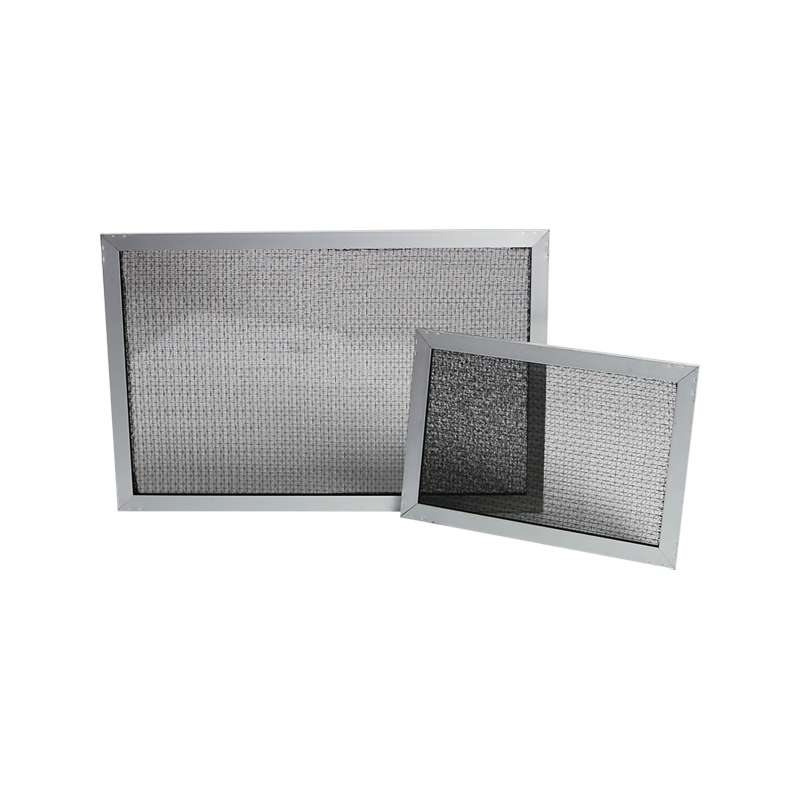
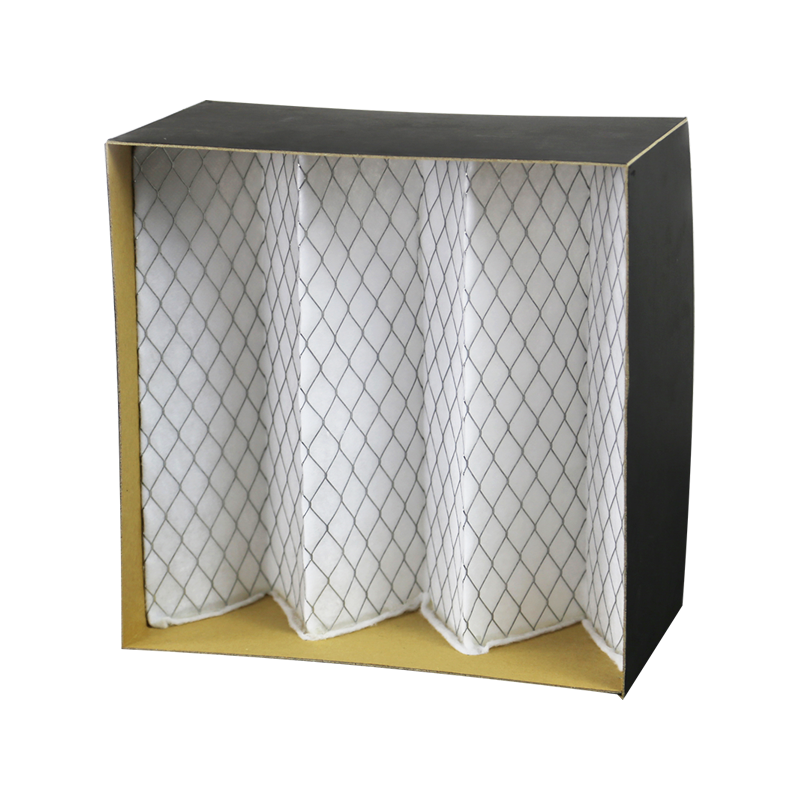
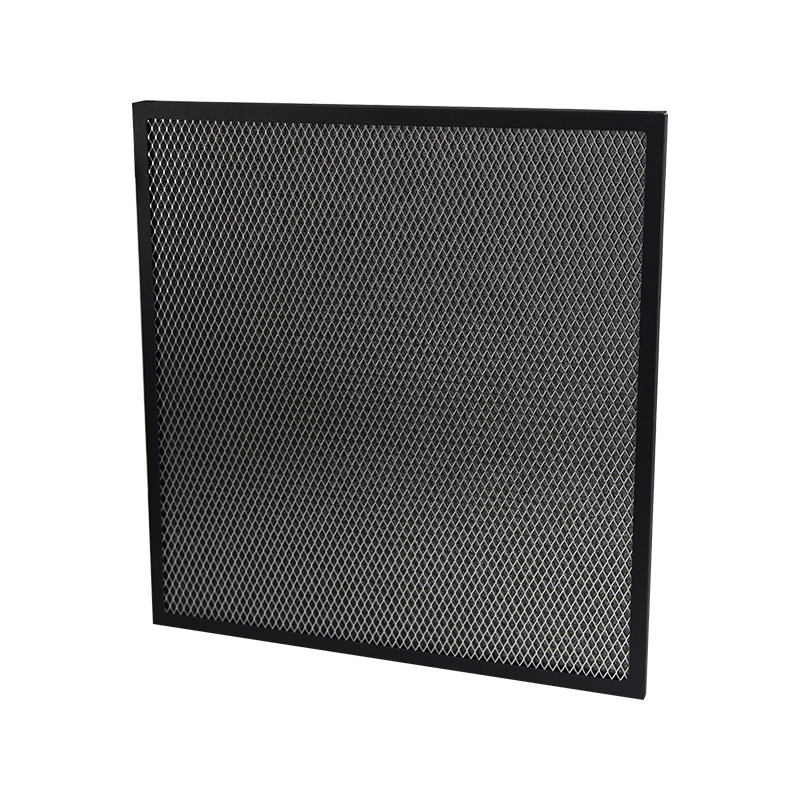
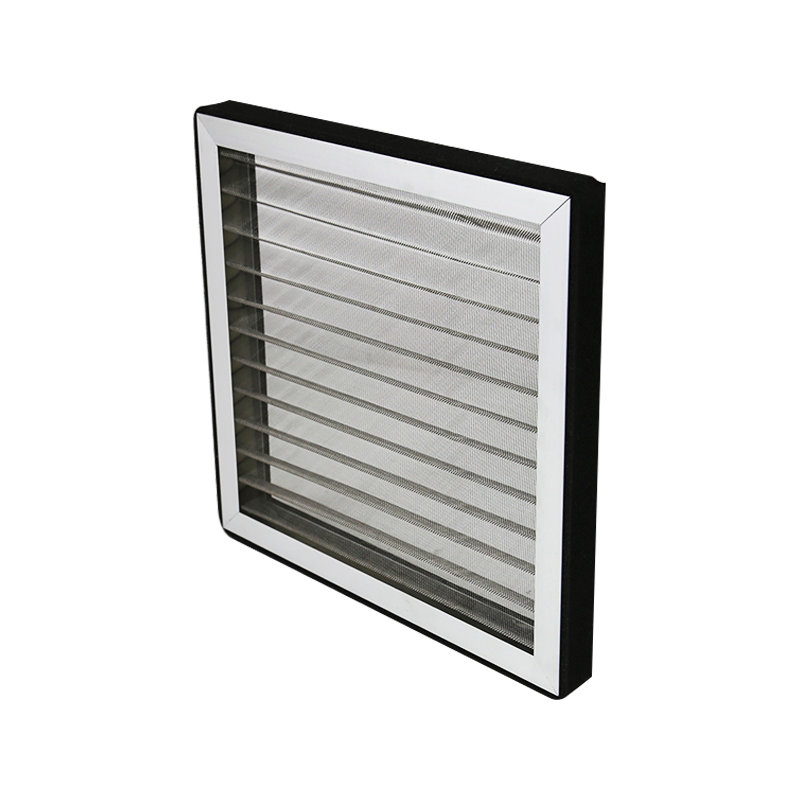
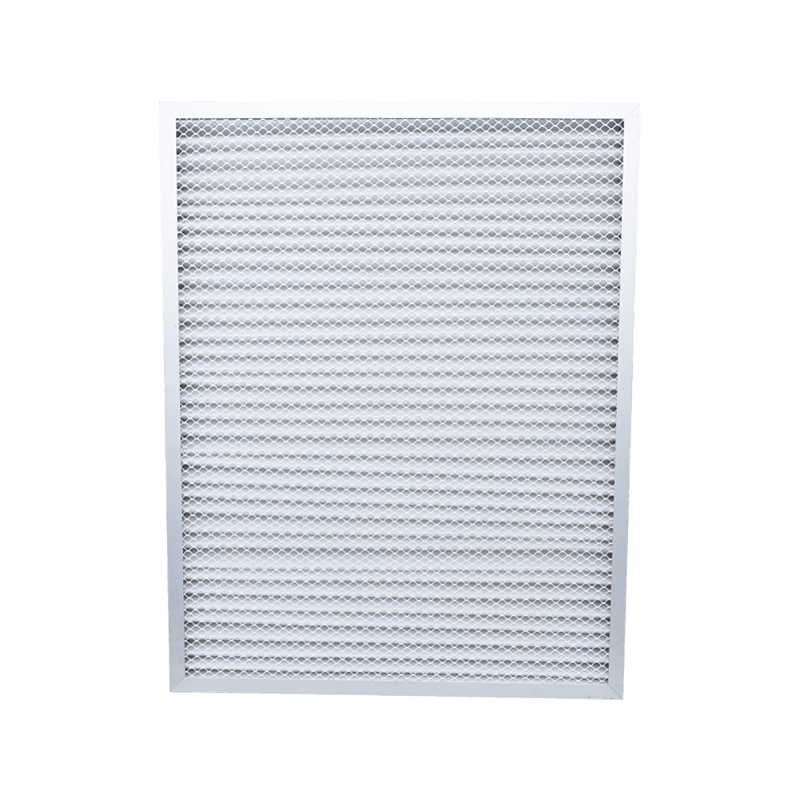
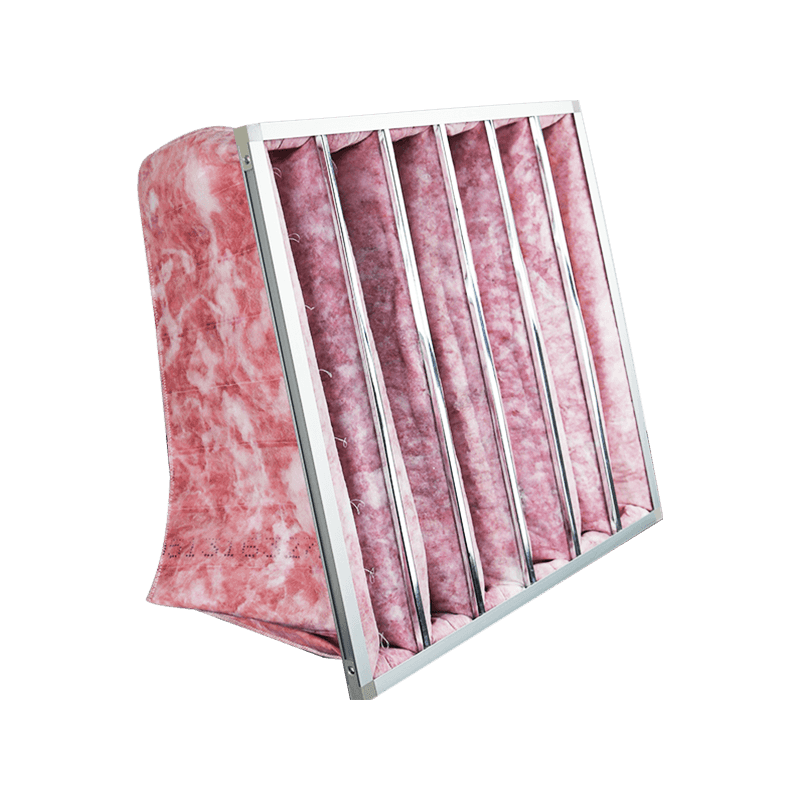
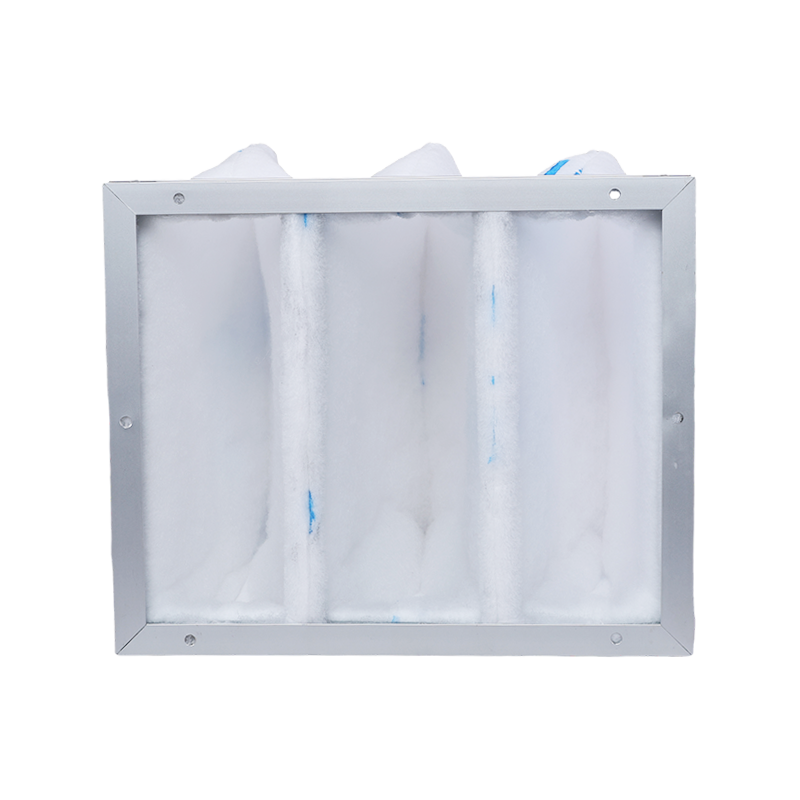
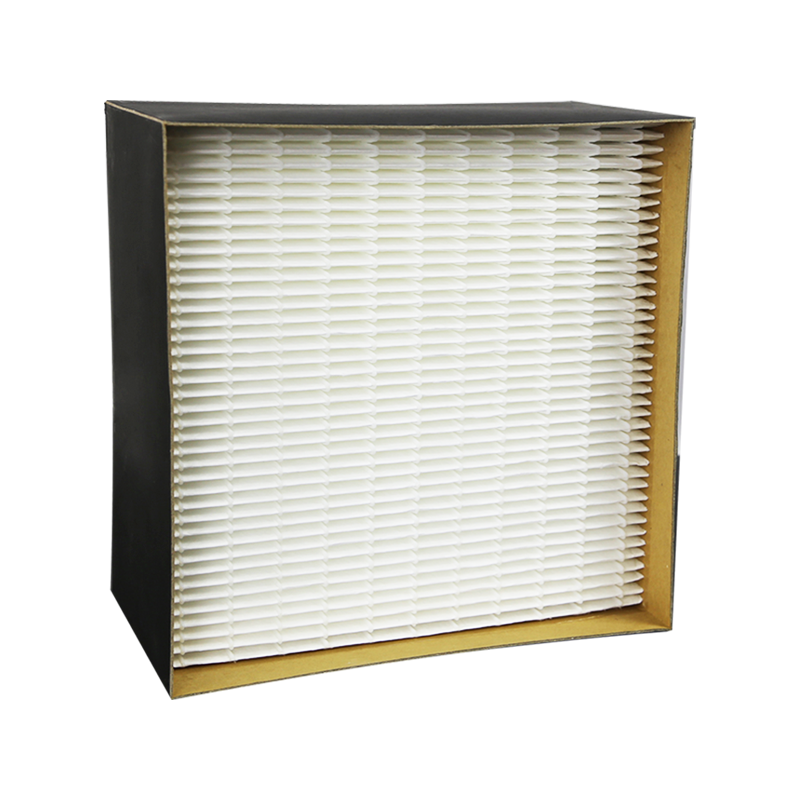
From solutions to productions, we’re specialized in making the products you need.
Industry News
Feb 24,2026
Metal Mesh Primary Filter vs Fiberglass: Why Metal Wins
Content
- 1 Understanding the Role of a Metal Mesh Primary Filter
- 2 The Core Structural Differences Between Metal Mesh and Fiberglass Filters
- 3 Airflow Resistance: How Metal Mesh Keeps Pressure Drop Lower
- 4 Washability and Reusability: The Long-Term Cost Advantage
- 5 Temperature and Chemical Resistance in Demanding Environments
- 6 Fire Safety: A Critical Advantage of Metal Mesh in Primary Filtration
- 7 Selecting the Right Metal Mesh Primary Filter for Your Application
- 8 Maintenance Best Practices for Metal Mesh Primary Filters
Understanding the Role of a Metal Mesh Primary Filter
A metal mesh primary filter is the first line of defense in any air or fluid filtration system. Positioned at the intake stage of HVAC systems, industrial ventilation units, spray booths, commercial kitchens, and manufacturing equipment, the primary filter captures large particulate matter before it reaches finer downstream filtration stages. By intercepting dust, lint, grease particles, and debris at this early point, the primary filter protects more expensive secondary and tertiary filters from rapid loading, which would otherwise drive up operating costs and reduce system efficiency.
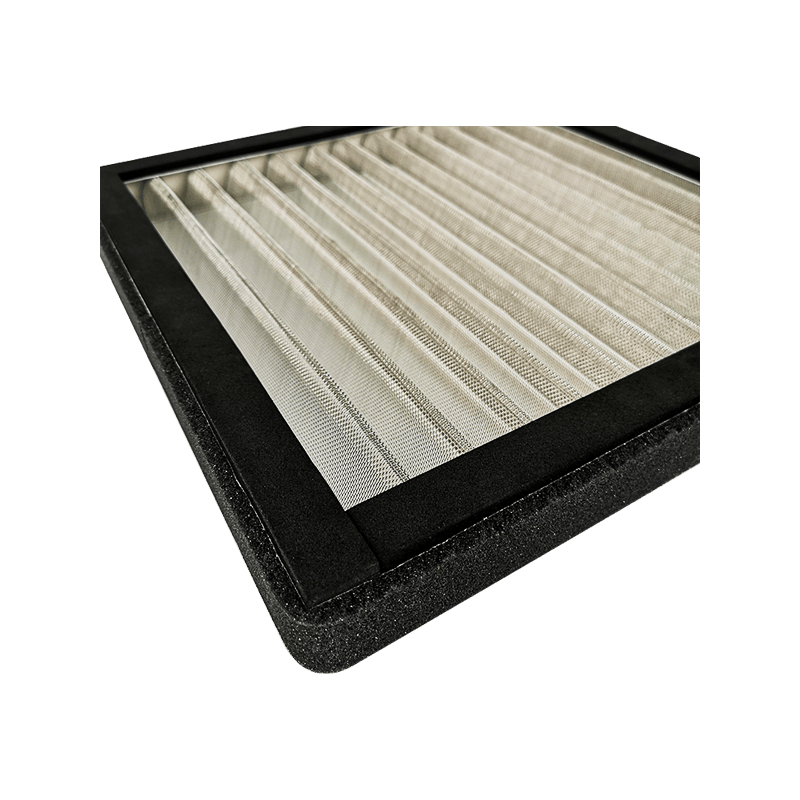
Metal mesh primary filters are constructed from woven or expanded metal—most commonly aluminum, galvanized steel, or stainless steel—formed into a rigid or semi-rigid panel with a defined mesh opening size. The aperture, measured in microns or millimeters, determines the particle size the filter targets. Unlike disposable fibrous media that traps particles through mechanical interception and depth loading, metal mesh filters work predominantly through inertial impaction and straining, where particles larger than the mesh opening are physically stopped at the surface. This surface-loading mechanism is what gives metal filtration its distinctive washable, reusable character that fundamentally separates it from fiberglass alternatives.
The Core Structural Differences Between Metal Mesh and Fiberglass Filters
Fiberglass filters are manufactured by bonding randomly oriented glass fibers into a mat or blanket with resin binders. The resulting structure is porous but fragile—susceptible to moisture damage, fiber shedding, and structural collapse under high airflow velocity or when the filter becomes saturated with captured particles. The fibers themselves have no inherent rigidity, which means the filter depends on a cardboard, wire, or plastic frame to maintain its shape. When that frame softens due to humidity or heat, the entire panel can bow, gap, or collapse, allowing unfiltered air to bypass the media entirely.
Metal mesh filters, by contrast, are self-supporting structures. The woven or expanded metal matrix provides dimensional stability under all operating conditions encountered in typical industrial and commercial environments. A properly specified stainless steel mesh panel will maintain its geometry under temperatures exceeding 500°C, in high-humidity environments, and under airflow velocities that would deform a fiberglass panel. This structural integrity is not a minor convenience—it is the foundation of every performance advantage metal filtration holds over its fiberglass counterpart.
Airflow Resistance: How Metal Mesh Keeps Pressure Drop Lower
One of the most quantifiable performance differences between metal mesh and fiberglass primary filters is pressure drop—the reduction in air pressure across the filter as air flows through it. High pressure drop means the system fan or blower must work harder to move the same volume of air, consuming more energy and generating more heat in the motor. Fiberglass media, with its dense, tangled fiber structure, creates significantly higher initial pressure drop than metal mesh at equivalent airflow rates, and this pressure drop increases rapidly as the filter loads with captured particles.
Metal mesh filters maintain a consistently low pressure drop throughout their service cycle because the open, regular geometry of the mesh apertures does not collapse or fill in the same progressive manner as fiber depth loading. Surface-collected particles can partially bridge the openings, but the rigid mesh prevents total blockage until loading is extreme. In spray booth applications and commercial kitchen exhaust systems, where high airflow volume is critical for safety and performance, the lower operating pressure drop of a metal mesh primary filter translates directly into measurable energy savings over the course of a year.
Washability and Reusability: The Long-Term Cost Advantage
The most compelling practical argument for metal mesh primary filters over fiberglass is the ability to clean and reuse them indefinitely. Fiberglass filters are single-use consumables. Once loaded, they must be bagged and disposed of, creating recurring material costs, waste disposal logistics, and labor time for scheduled replacement. In large facilities with dozens or hundreds of filter positions, this replacement cycle represents a substantial and unavoidable operating expense.
Metal mesh filters can be cleaned using compressed air, a water rinse, ultrasonic cleaning tanks, or degreasing solutions depending on the contaminant type. In grease filtration applications such as commercial kitchen canopy hoods, stainless steel mesh panels can be run through commercial dishwashers repeatedly without any degradation in filtration performance or structural integrity. A single metal mesh panel that costs three to five times more than a disposable fiberglass equivalent will typically remain in service for five to fifteen years, reducing the total cost of ownership dramatically when calculated over the filter's operational lifespan.
| Cost Factor | Metal Mesh Filter | Fiberglass Filter |
| Initial purchase cost | Higher | Lower |
| Service life | 5–15+ years | Weeks to months |
| Replacement frequency | Near zero | Frequent |
| Disposal costs | Minimal (recyclable) | Ongoing landfill cost |
| Labor for maintenance | Periodic cleaning | Full replacement every cycle |
| 5-year total cost | Significantly lower | Accumulates rapidly |
Temperature and Chemical Resistance in Demanding Environments
Fiberglass filters have a practical upper temperature limit imposed by the resin binders that hold the glass fibers together. Once temperatures exceed approximately 120°C to 150°C, these binders begin to soften, allowing the fiber mat to delaminate, sag, and shed fragments downstream. In industrial ovens, exhaust systems, foundry ventilation, and high-temperature spray applications, this thermal fragility makes fiberglass fundamentally unsuitable as a primary filter material regardless of its initial cost advantage.
Stainless steel metal mesh primary filters are rated for continuous service at temperatures above 500°C, and certain high-alloy grades can operate reliably at even higher sustained temperatures. Equally important in many industrial contexts is chemical resistance. Galvanized or aluminum mesh is suitable for mildly corrosive environments, while 304 and 316 stainless steel mesh withstands exposure to acids, alkalis, solvents, and chlorinated compounds that would rapidly destroy fiberglass binder systems. This chemical inertness also means that metal mesh filters do not contribute volatile compounds or fiber fragments to the filtered airstream—a consideration of increasing importance in food processing, pharmaceutical manufacturing, and cleanroom support environments.
Fire Safety: A Critical Advantage of Metal Mesh in Primary Filtration
In applications where the filtered airstream carries flammable particles, vapors, or grease-laden air, the fire resistance of the primary filter material is not a preference—it is a safety imperative. Commercial kitchen exhaust canopy systems are the most familiar example. Cooking produces aerosols of vaporized grease that condense on any surface they contact. A fiberglass primary filter in this application would accumulate a heavy grease deposit that presents a severe fire hazard. If a flare-up from the cooking surface projects flame into the exhaust stream, the grease-saturated fiberglass panel can ignite and sustain combustion, spreading fire into the ductwork.
Metal mesh grease filters, mandated by most building and fire codes for commercial kitchen applications, are non-combustible. Accumulated grease on a metal mesh panel does not support flame propagation in the same way as organic fiber media. The metal structure also acts as a baffle, causing grease droplets to impinge on the mesh surface through inertial separation and drain by gravity into a collection channel below the filter panel. This self-draining characteristic reduces the quantity of flammable material retained in the filter at any given time, further reducing fire risk compared to any fibrous alternative that retains captured grease within the depth of the media.
Selecting the Right Metal Mesh Primary Filter for Your Application
Choosing the correct metal mesh specification requires matching the filter's physical and performance characteristics to the specific demands of the application. The following parameters should be evaluated systematically before specifying a metal filtration panel.
Mesh Aperture Size and Wire Diameter
The aperture size—the open dimension between wires—determines the minimum particle size the filter will reliably capture through straining. For coarse primary filtration of large debris such as insects, leaves, and large dust agglomerates, apertures of 1mm to 3mm are appropriate. For grease filtration in kitchen canopy applications, layered expanded aluminum mesh with smaller effective openings is standard. Wire diameter affects both the structural rigidity of the panel and the percentage of open area, which in turn determines airflow resistance. Thicker wire produces a more robust panel but reduces open area and increases pressure drop slightly. For most HVAC primary filter applications, woven wire with 60% to 75% open area provides an effective balance between particle capture and low airflow resistance.
Frame Material and Gasket Specification
The frame surrounding the metal mesh panel must be equally resistant to the operating environment. Aluminum frames are lightweight and corrosion-resistant for standard HVAC applications. Stainless steel frames are specified where chemical exposure, high humidity, or food-grade hygiene requirements apply. The frame must incorporate a compliant gasket material—typically closed-cell foam, silicone, or EPDM rubber—that seals against the filter housing and prevents air bypass around the panel perimeter. A metal mesh with perfect filtration properties is entirely undermined by an inadequate frame seal that allows unfiltered air to channel past the filter panel.
Layering and Filter Depth Configuration
Single-layer metal mesh provides basic primary filtration adequate for many standard applications. For higher-efficiency primary filtration—such as in spray booth intake sections where paint overspray must be captured before reaching the downstream exhaust filters—multi-layer or crimped mesh configurations are used. By layering mesh panels with offset weave orientations, the effective filtration efficiency increases because particles must navigate a more tortuous path through the filter depth. Crimped mesh, where the wire is formed into a wave pattern before weaving, creates additional impaction surfaces within the filter depth without significantly increasing pressure drop. Understanding whether your application requires single-layer straining or multi-layer inertial impaction helps narrow the correct product specification from the outset.
Maintenance Best Practices for Metal Mesh Primary Filters
The long service life of a metal mesh primary filter is contingent on following an appropriate cleaning and inspection schedule. Neglecting maintenance allows excessive particle loading to increase system pressure drop, reduces airflow volume, and in grease filtration applications, creates the fire hazard that the metal filter was chosen specifically to mitigate.
- Establish a cleaning interval based on operating conditions: High-grease kitchen applications typically require weekly cleaning. Dusty industrial environments may need cleaning every two to four weeks. Standard HVAC primary filters in office environments may only require monthly or quarterly cleaning. Monitor pressure drop across the filter using a manometer and clean when drop exceeds the design limit by 20% to 25%.
- Use the correct cleaning method for the contaminant type: Dry dust deposits respond well to compressed air blowing from the clean side to the dirty side. Grease deposits require hot water with a degreasing detergent, either by hand scrubbing, pressure washing, or commercial dishwasher cycling for panels sized appropriately. Avoid using wire brushes on woven mesh, as this can distort or break individual wires and create holes that bypass filtration.
- Inspect the mesh and frame after every cleaning: Look for bent or broken wires, deformed apertures, corrosion spots, and frame seal degradation. A single broken wire is generally not cause for immediate replacement, but multiple wire breaks in one area create an unacceptably large bypass opening. Replace any panel where the frame seal no longer provides a consistent, compressible contact surface against the filter housing.
- Allow panels to dry completely before reinstallation: Reinstalling a wet metal mesh panel into a dry airstream application can promote corrosion at the frame joint and introduce moisture into downstream filter stages. In food-grade or cleanroom-adjacent applications, incomplete drying also presents a microbial growth risk on any residual organic material trapped in the mesh.
- Keep a spare panel in rotation: For critical applications where airflow cannot be interrupted during cleaning, maintaining a second panel in the same specification allows an immediate swap at cleaning time. The removed panel is then cleaned, dried, and held ready for the next service cycle, eliminating downtime entirely.
When evaluated across every meaningful performance category—structural integrity, pressure drop, temperature resistance, fire safety, chemical resistance, total cost of ownership, and environmental impact—the metal mesh primary filter consistently outperforms fiberglass alternatives. The higher initial investment is recovered quickly in eliminated replacement costs and reduced energy consumption, while the safety and reliability advantages of metal filtration remain present and compounding for the entire operational life of the system.
What Do Primary Air Filters Do and How Do You Choose the Right One?
Mini Pleated HEPA Air Filters: Complete Selection & Usage Guide
related products

 Tel: +86-13813766750
 E-mail:
  Add: 5169, Bin'gang Ave, Binjiang Subdistrict, Haimen City, Jiangsu, China
partners














Copyright 2023 Nantong Henka Environment Solutions Co.,Ltd. All Rights Reserved
 HEPA Air Filters Manufacturers Customized HEPA Air Filters Factory