


 English
 русский
 Español
 简体中文
简体中文
From solutions to productions, we’re specialized in making the products you need.
Home / News / Industry News / Mold on Air Filter: What It Means, Why It Grows, and How to Fix It Safely?
Content
You pull the access door off the air handler, slide out the filter, and stop at the sight of dark, velvety patches spreading across the media. The conclusion first: mold on an air filter is a symptom, not the disease. The filter caught the spores that reached it, but the surrounding conditions let those spores settle, germinate, and multiply. Replace the filter without fixing the moisture source, and the colonies will return within weeks.
This guide covers how to tell mold from ordinary dust, why it grows on filter media, whether it is a health concern, and the exact steps for removing and preventing it.
Not every dark patch on a used filter is mold. Air filters trap dust by design, and normal particle buildup appears as even streaks along the leading edge of each pleat. Mold grows differently. It forms round colonies, fuzzy tufts, or speckled clusters in black, green, gray, cream, or white, and it concentrates where the media stays damp: near the frame edges, along the bottom, or wherever a cold duct chills the filter surface.
Smell is your second clue. A filter that only collected dust has a dry, neutral odor. A filter with microbial growth usually releases a musty, earthy smell that you notice before the filter is fully out of the housing. The touch test adds a third signal: dust smears as powder, while mold colonies feel slightly raised and break off in clumps.
| Appearance | Most likely cause | Response |
|---|---|---|
| Even gray-brown streaks along pleats | Normal dust accumulation | Replace on schedule; no cause for alarm |
| Round, fuzzy colonies in black, green, or white | Active mold growth | Follow the mold response steps below |
| White powdery film on the intake side | Mineral residue or early mildew | Check humidity and any humidifier connected to the system |
| Musty odor with little visible growth | Microbial growth in the coil, drain pan, or duct | Arrange a full system inspection |
Mold needs three things: moisture, a food source, and a tolerable temperature. An air filter readily supplies two of them. The media collects organic material — pollen, skin cells, insect fragments, and outdoor dust — which serves as food. The media also holds moisture. When ambient humidity is high, or when condensation from a cold coil wets the adjoining filter frame, spores arriving with the airflow can germinate in as little as 24 to 48 hours.
These conditions affect ducted systems and standalone purifiers alike. That is why OEM manufacturers treat the filter slot, the frame seal, and the recommended change interval as one engineered system rather than three separate items.
Let's separate panic from rational response. A moldy filter is not an emergency, but it is genuinely worth addressing. The same airflow that delivered spores to the media can carry them away again. Once mold is growing on the filter, the blower may release fresh spores and microbial volatile organic compounds into the occupied space. Sensitive individuals can experience nasal congestion, sneezing, throat irritation, itchy eyes, fatigue, and asthma flare-ups. People with weakened immune systems or chronic lung conditions should not handle the filter at all.
There is also a mechanical consequence. Mold blocks the media unevenly, raising pressure drop and reducing air delivery. Homeowners often notice a musty odor from supply vents for days after a filter change. In severe cases, the growth extends to the evaporator coil and the duct liner, where it is far harder to clean than a filter.
So: no, you should not panic. Yes, you should act promptly and methodically.
Work through these steps in order. The sequence prevents spores from being dispersed further into the living space or deeper into the equipment.
Never try to clean and reuse a moldy filter. The spores work their way into the media fibers, and washing drives biological material deeper into a structure that is designed to hold particles, not release them.
Air filters capture mold spores mechanically. A typical spore measures roughly 2 to 10 microns, far larger than the 0.3-micron test particle used for HEPA certification. A correctly rated filter will therefore remove the great majority of spores, provided the media area and airflow match the application.
On the MERV scale used for HVAC filters, MERV 13 media captures the majority of particles in the 1-to-3-micron range, which covers the lower end of the mold spore spectrum. HEPA media goes several steps further: 99.97% capture at 0.3 microns. The practical rule is to match efficiency to the system rather than buying the highest-rated media available, because a very high efficiency filter squeezed into a thin 1-inch slot adds airflow resistance and can starve the blower.
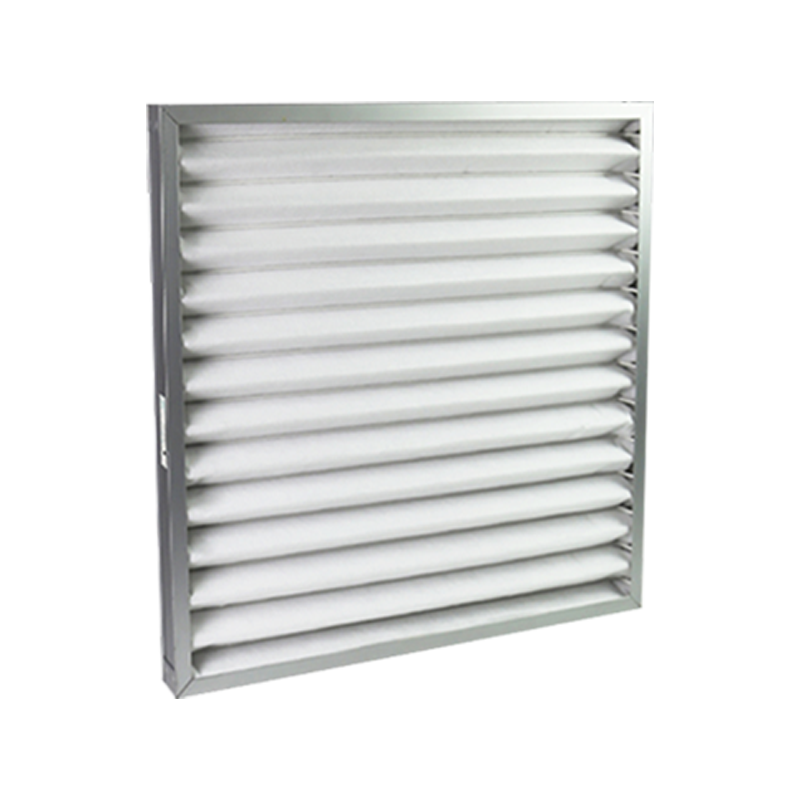
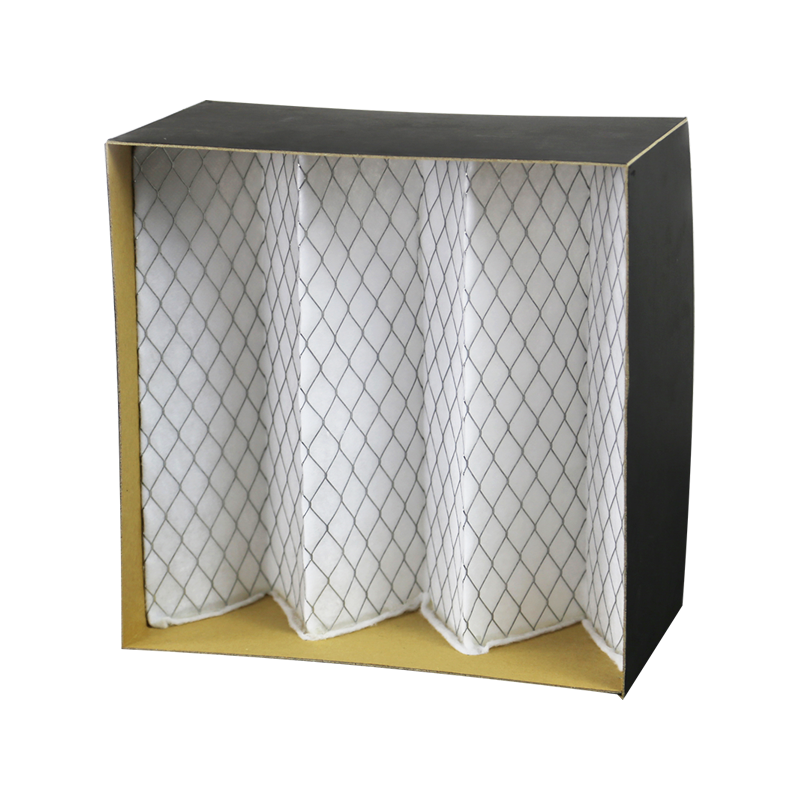
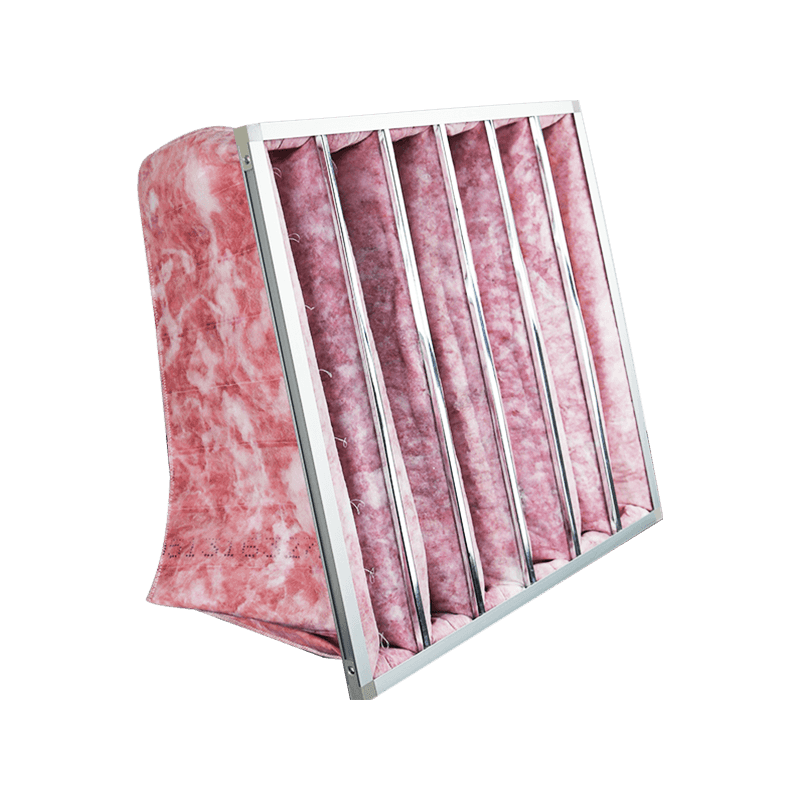
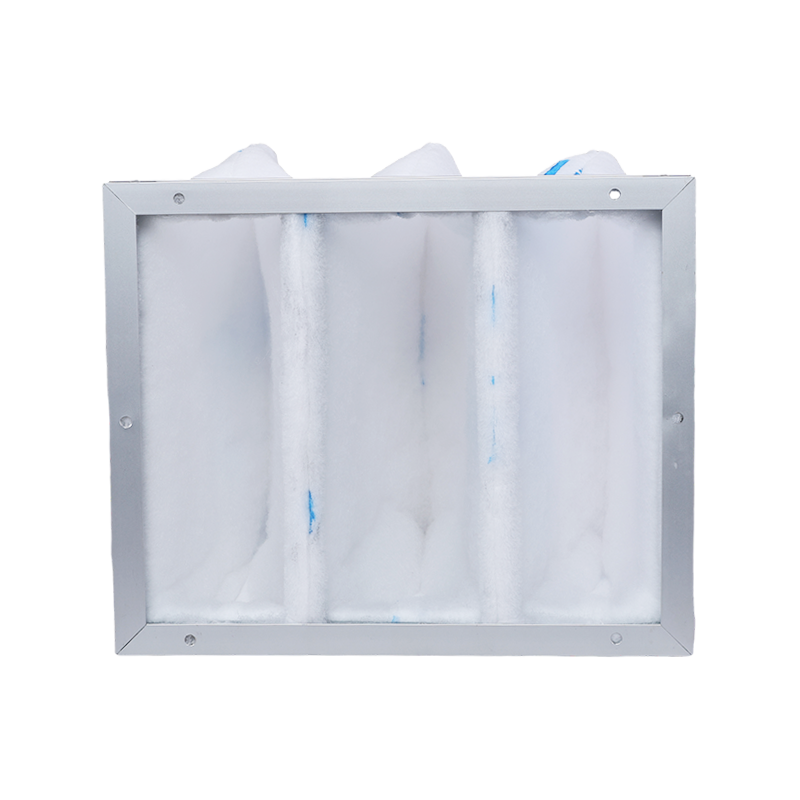
This is why commercial and industrial designs favor a V-bank or deep-pleated configuration: it multiplies the media surface inside the same duct footprint and keeps pressure drop stable across the whole service life. For high airflow ventilation systems, a galvanized V-bank high airflow filter is the standard way to reach high capture efficiency without choking the air stream.
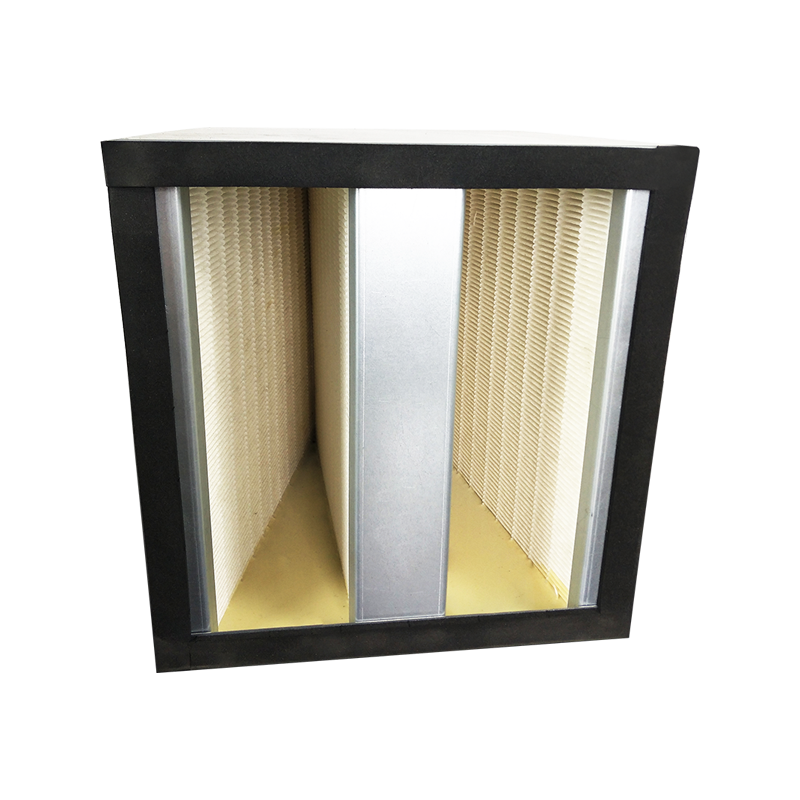 Galvanized V-Bank / W Type Combined High Air Flow Air Filters Suppliers, CompanyNantong Henka - Galvanized V-Bank / W Type Combined High Air Flow Air Filter Suppliers and Company in China, Wholesale Galvanized V-Bank ...View Product →
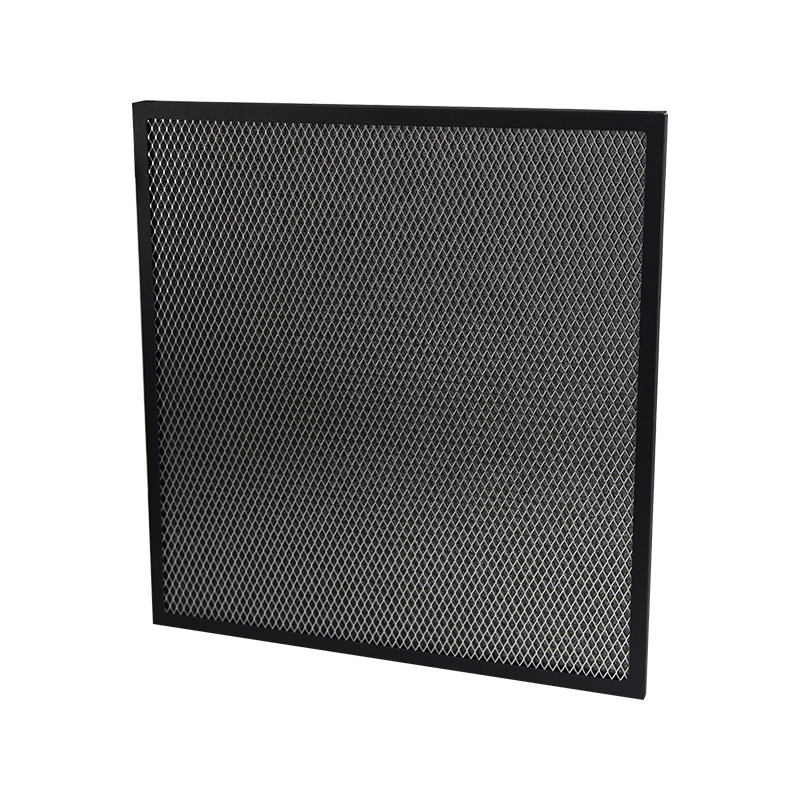
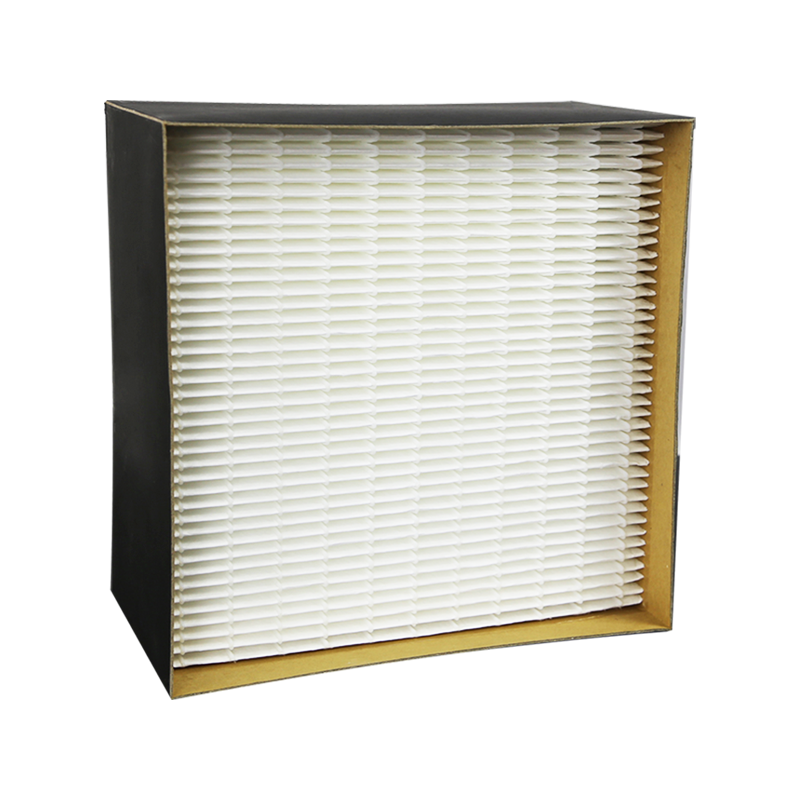
When spores share the air with musty odors, a single filter can handle both jobs. A multifunctional activated carbon HEPA filter stacks a particle-capturing HEPA layer with an adsorption layer that removes the volatile compounds responsible for the smell. This is a common specification in air purifiers and fresh-air units serving offices, schools, and healthcare spaces.
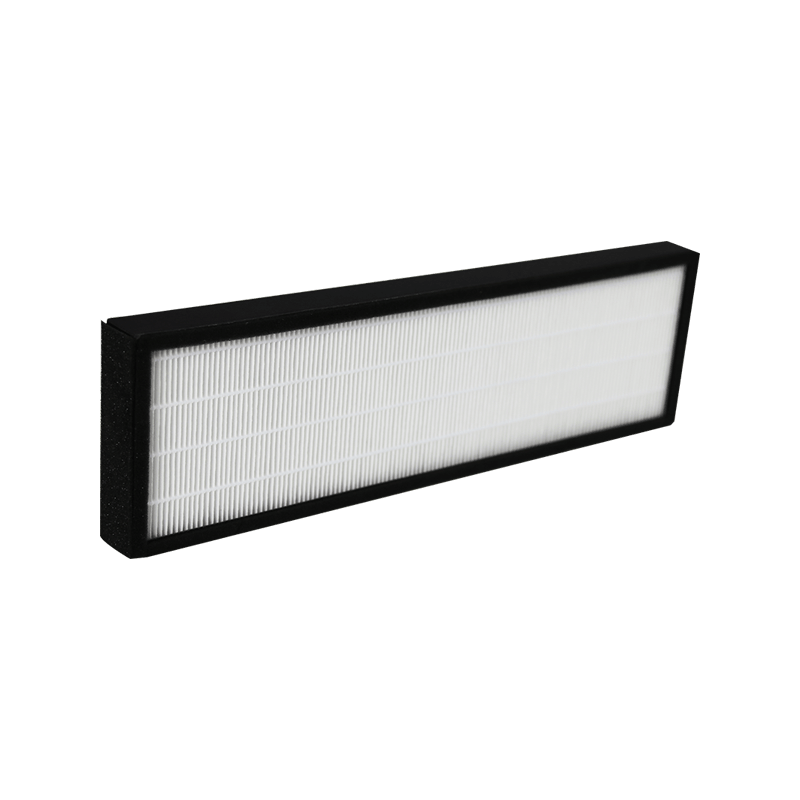 Multifunctional Activated Carbon HEPA Filters Suppliers, Company - Nantong HenkaNantong Henka - Multifunctional Activated Carbon HEPA Filter Suppliers and Company in China, Wholesale Multifunctional Activated Carbon H...View Product →
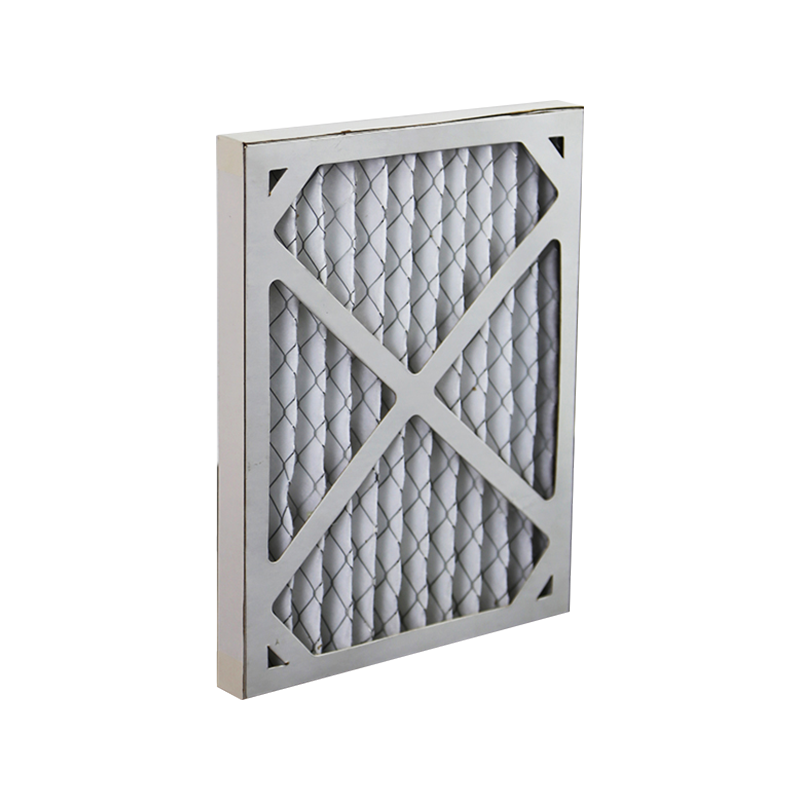
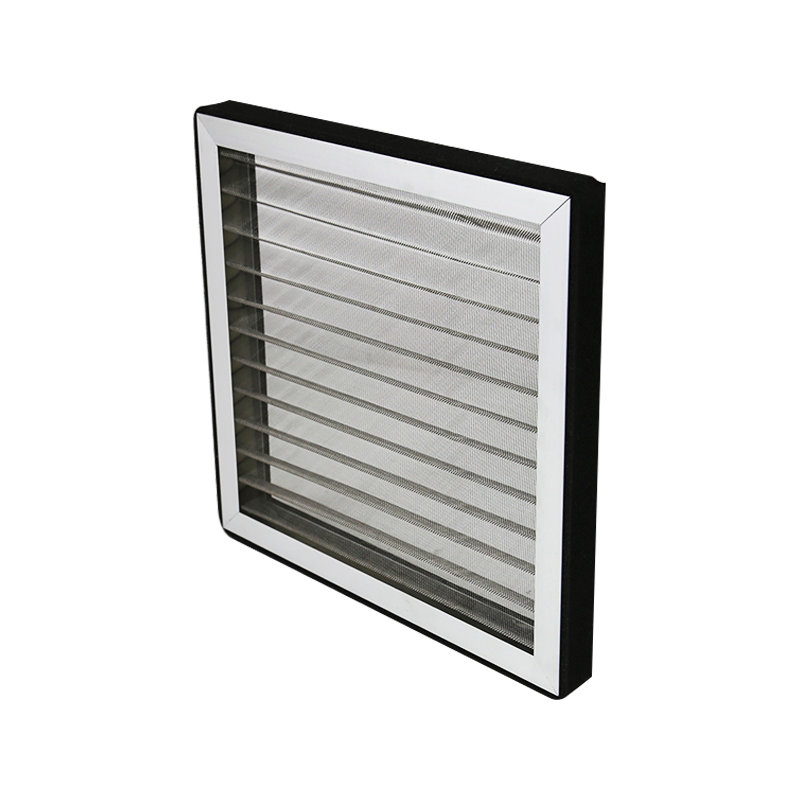
The same sizing logic scales down to cabinet-sized equipment. Household air purifier filters are often custom-shaped because the media area has to match the unit's internal airflow curve; if the media is undersized, the blower either moves too little air or pushes air around the edges of the cartridge.
Prevention has four layers: keep the filter dry, replace it on a fixed schedule, control humidity, and inspect the system once a year.
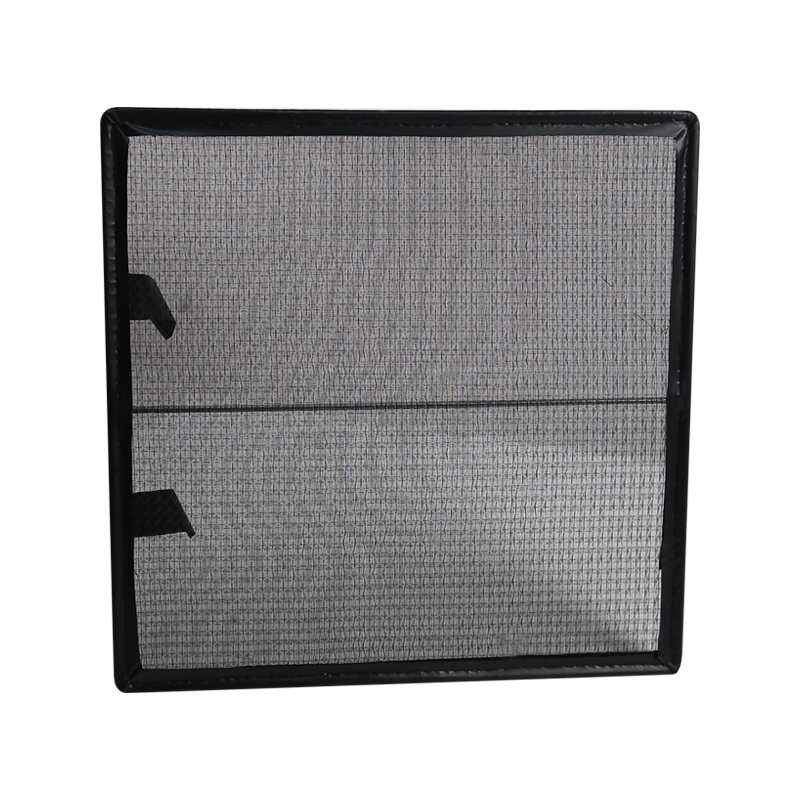
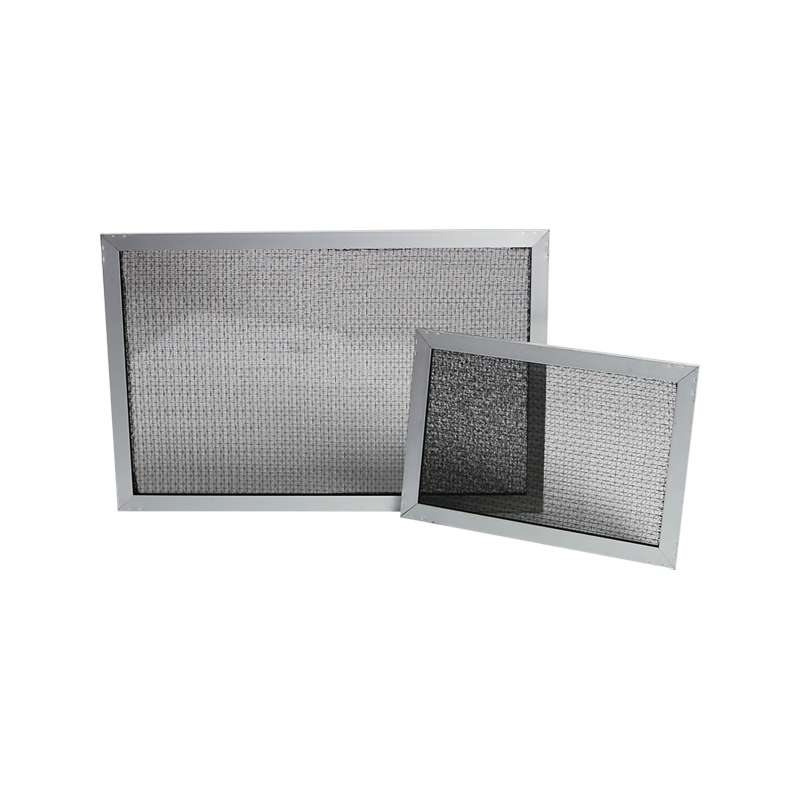
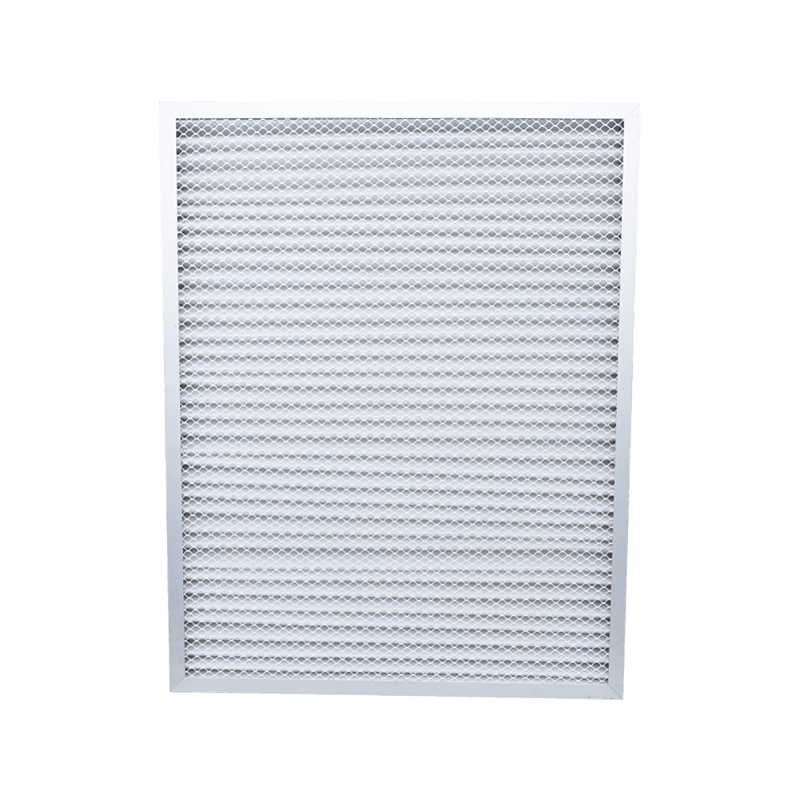
When maintenance access is regular, a washable aluminum-frame primary filter sits upstream of the fine media, catches coarse dust before it reaches the high-efficiency layer, and gives the maintenance team a visible check point. That single component can extend the service life of the downstream filter and reduce the number of times the media is exposed to humid conditions.
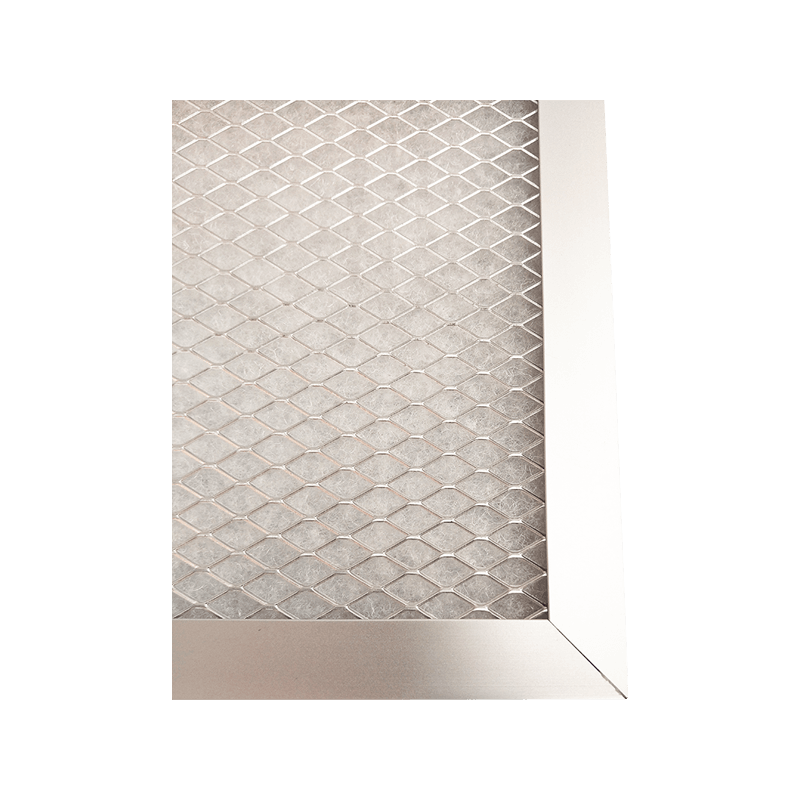 Aluminum Frame Washable Primary Filters Suppliers, Company - Nantong Henka EnvirNantong Henka - Aluminum Frame Washable Primary Filter Suppliers and Company in China, Wholesale Aluminum Frame Washable Primary Filters,...View Product →
These layers apply to ducted systems, fresh-air installations, and standalone cleaners alike. For ducted equipment, the baseline is a dry, well-sealed housing, the same requirement that governs well-designed HVAC filtration systems. If you want a practical checklist for inspection, cleaning, and the moment a filter should be retired rather than reused, our filter maintenance measures guide covers it.
As a custom air filter manufacturer serving air purifier, fresh-air, and HVAC equipment brands, we are often asked to build a "mold-proof" filter. There is no such product, and claiming one would be misleading. What filter engineering can do is size the media area, pleat geometry, and frame seal so the filter reaches its planned service life before conditions favor growth. A filter that is correctly matched to airflow, replaced on schedule, and kept dry will capture spores without becoming a breeding ground.
If you design or manufacture air handling equipment and need filters that hold their pressure drop, capture spores reliably, and survive humid environments, those specifications should be set at the design stage — not after a field failure.
HEPA Filter Rating Chart: Comparing MERV, EN 1822 H13/H14, and Efficiency
How Does an Air Purification Box Improve Indoor Air Quality?















Copyright 2023 Nantong Henka Environment Solutions Co.,Ltd. All Rights Reserved
 HEPA Air Filters Manufacturers Customized HEPA Air Filters Factory
 Tel: +86-13813766750
 E-mail:
  Add: 5169, Bin'gang Ave, Binjiang Subdistrict, Haimen City, Jiangsu, China