


 English
 русский
 Español
 简体中文
简体中文
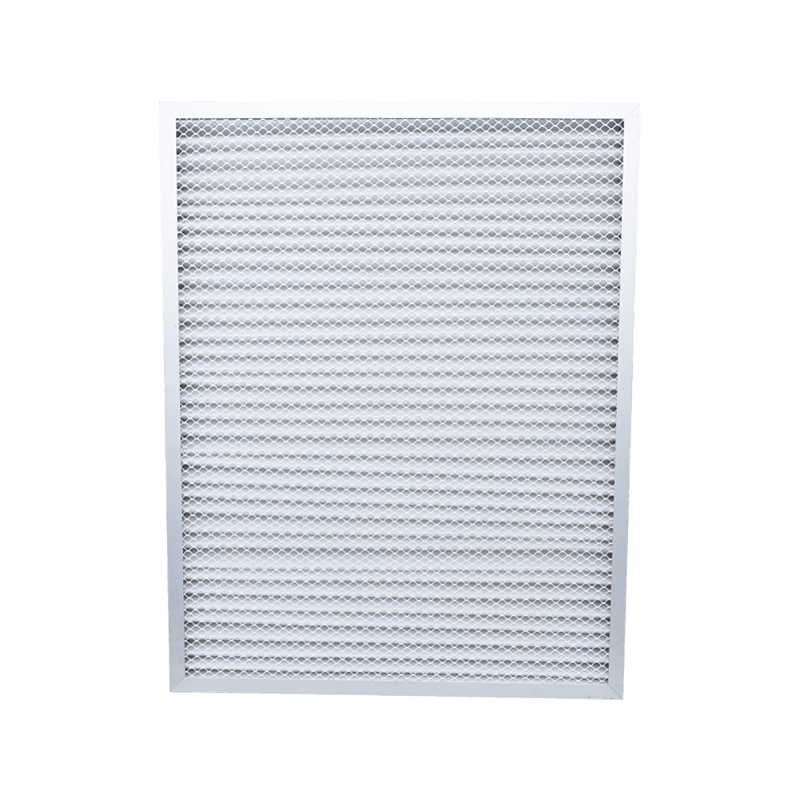
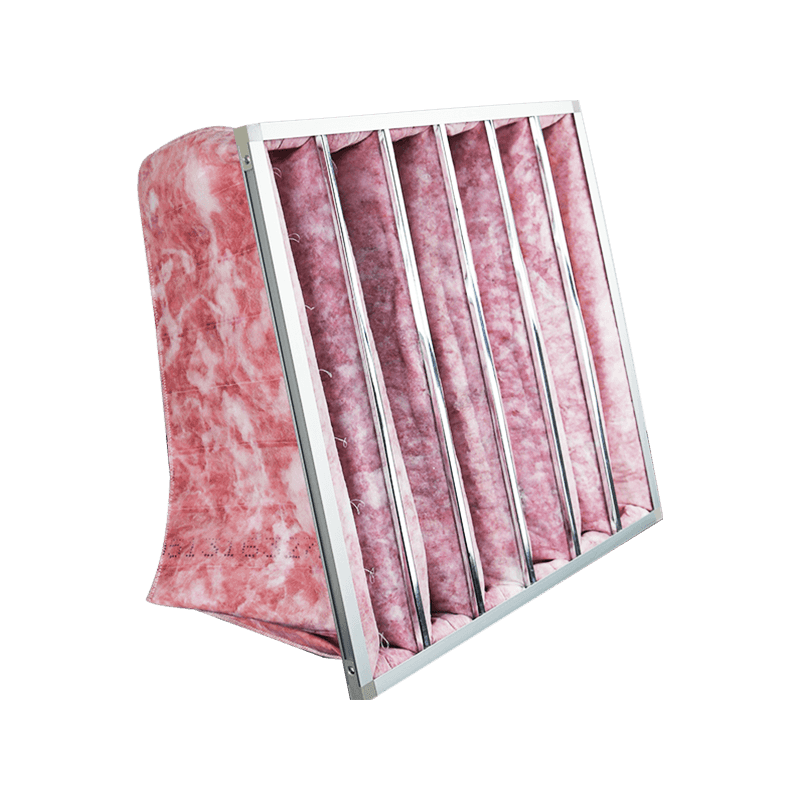
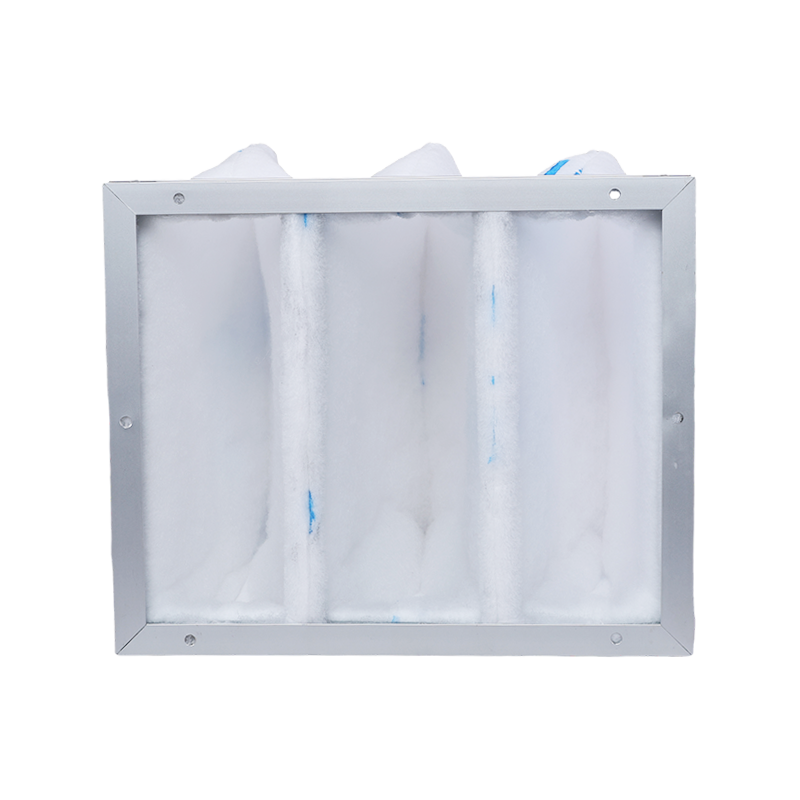
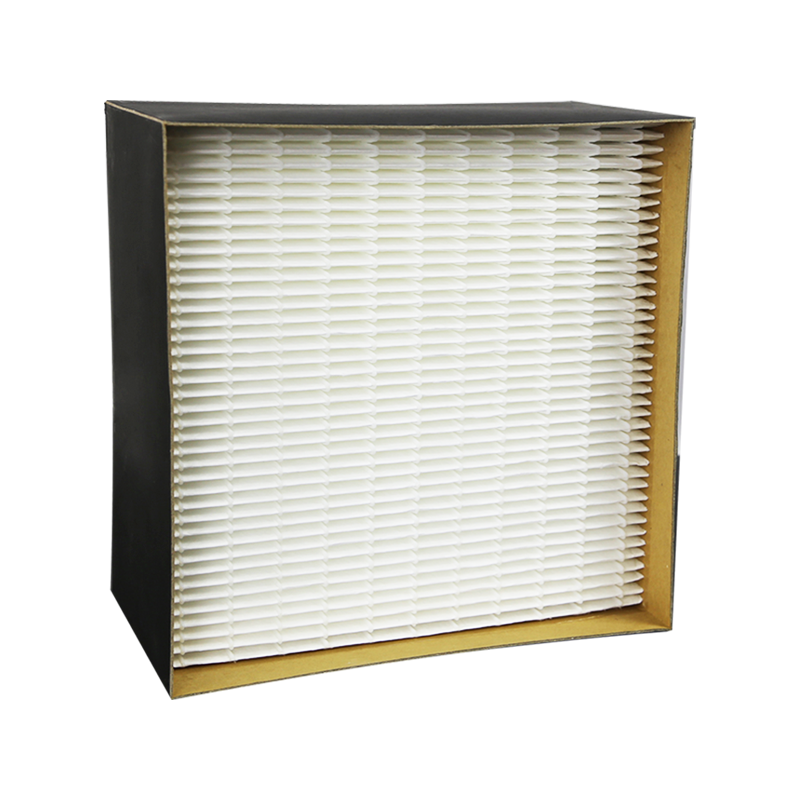
From solutions to productions, we’re specialized in making the products you need.
Industry News
Aug 04,2026
How Does an Air Purification Box Improve Indoor Air Quality?
Content
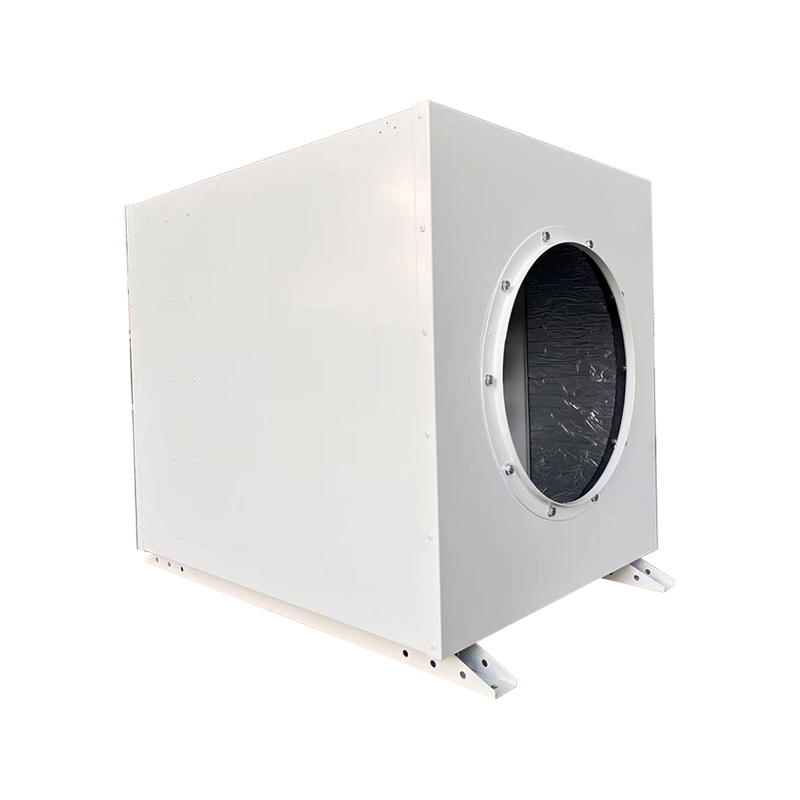
An air purification box is a compact, enclosed filtration unit designed to remove airborne contaminants from indoor spaces, ranging from dust and pollen to smoke particles and volatile organic compounds. Unlike open-frame air purifiers, these box-style units typically house multiple filtration stages within a sealed enclosure, directing air through a controlled path for more thorough contaminant removal. This article breaks down how air purification boxes work, what filtration technologies they commonly use, and what factors matter most when selecting one for a home, office, or industrial space.
How an Air Purification Box Works
An air purification box functions by drawing contaminated air in through an intake vent, passing it through a series of internal filters, and releasing cleaner air back into the room through an outlet. The enclosed box design allows manufacturers to layer multiple filtration stages in sequence, with each stage targeting a different category of pollutant, from larger particles like dust and pet dander to microscopic contaminants such as bacteria and volatile organic compounds.
A fan or blower motor inside the unit drives airflow through this filtration path, and the strength of this motor, combined with the density of the filter media, determines how effectively the unit can process air within a given room size. Because the filtration components are enclosed, these units also tend to reduce noise from the internal fan compared to open-design purifiers, making them a practical choice for bedrooms, offices, and other spaces where quiet operation matters.
Common Filtration Technologies Used
Most air purification boxes rely on a combination of filtration technologies rather than a single method, since different pollutants require different removal approaches. Understanding what each filter type targets helps in choosing a unit suited to your specific air quality concerns.
| Filter Type | Targets | Best For |
| HEPA filter | Dust, pollen, pet dander | Allergy and asthma sufferers |
| Activated carbon | Odors, smoke, VOCs | Kitchens, smoking areas |
| Pre-filter | Large particles, hair, debris | Extending main filter life |
| UV-C light | Bacteria, viruses | Households with immune concerns |
| Ionizer | Ultra-fine particles | Supplementing HEPA filtration |
Understanding HEPA Ratings
True HEPA filters are certified to capture at least 99.97 percent of airborne particles as small as 0.3 microns, which includes most dust, pollen, mold spores, and pet dander. It is worth noting that some products marketed as "HEPA-type" or "HEPA-like" do not meet this certified standard, so checking for the specific "True HEPA" designation ensures the unit performs at the level typically expected of genuine HEPA filtration.
Key Specifications to Evaluate
Selecting an effective air purification box requires looking beyond marketing claims and focusing on a few core technical specifications that directly affect performance. The Clean Air Delivery Rate, commonly abbreviated as CADR, measures how much filtered air the unit produces per minute for specific pollutants such as smoke, dust, and pollen. A higher CADR rating generally indicates faster and more effective air cleaning, but this rating should always be matched against the size of the room where the unit will be used.
Room coverage area, usually listed in square feet, tells you the maximum space the unit is designed to effectively purify, and choosing a unit rated for a slightly larger area than your actual room is generally recommended to ensure faster air turnover. Noise level, measured in decibels, is another important consideration, particularly for units intended for bedrooms or quiet workspaces, since higher fan speeds needed for larger CADR output often come with increased operating noise.
Specifications Worth Comparing
- CADR rating relative to your room's square footage
- Number and type of filtration stages included
- Noise level at various fan speed settings
- Filter replacement cost and recommended replacement interval
- Energy consumption during continuous operation
Matching the Unit to Your Air Quality Concerns
Different households have different air quality priorities, and understanding your specific concern helps narrow down the right combination of filtration technologies. For households dealing primarily with seasonal allergies or pet dander, a strong HEPA filter paired with a basic pre-filter is often sufficient, since these contaminants are largely particulate in nature and respond well to mechanical filtration. Kitchens and homes near busy roads, where odors and volatile organic compounds are a bigger concern, benefit more from units with a substantial activated carbon layer, since carbon filtration works through chemical adsorption rather than physical particle trapping.
Households with young children, elderly residents, or immunocompromised individuals may want to consider units that include UV-C sterilization in addition to standard filtration, since this technology specifically targets airborne bacteria and viruses that HEPA filters alone may not fully neutralize. It is worth noting, however, that UV-C effectiveness depends on exposure time and intensity, so this feature should be viewed as a supplement to strong particulate filtration rather than a replacement for it.
Maintenance Practices for Consistent Performance
Regular maintenance is essential to keeping an air purification box performing at its rated capacity, since clogged or saturated filters significantly reduce both airflow and contaminant removal efficiency. Pre-filters, which capture larger debris like hair and dust, should be checked and cleaned or replaced most frequently, often every one to three months depending on household conditions such as pet ownership or nearby construction dust.
HEPA filters typically require replacement every six to twelve months, though this interval can shorten considerably in households with heavy allergen exposure or in areas with poor outdoor air quality. Activated carbon filters tend to lose their odor-absorbing capacity faster than HEPA filters and often need replacement every three to six months for units used regularly in kitchens or smoking-adjacent spaces. Setting calendar reminders based on the manufacturer's recommended replacement schedule helps ensure the unit continues operating at its intended efficiency rather than silently underperforming after filters become saturated.
General Maintenance Schedule
- Pre-filter: check and clean every one to three months
- HEPA filter: replace every six to twelve months
- Activated carbon filter: replace every three to six months
- UV-C bulb, if included: replace annually per manufacturer guidance
- Exterior housing: wipe down regularly to prevent dust buildup on vents
An air purification box offers a practical, self-contained way to improve indoor air quality by combining multiple filtration technologies into a single enclosed system. By understanding CADR ratings, matching filter types to your specific air quality concerns, and maintaining filters on a consistent schedule, you can ensure the unit continues delivering clean, healthy air throughout its service life.
Mold on Air Filter: What It Means, Why It Grows, and How to Fix It Safely?
What Makes HEPA Filters So Effective at Capturing Airborne Particles?
related products

 Tel: +86-13813766750
 E-mail:
  Add: 5169, Bin'gang Ave, Binjiang Subdistrict, Haimen City, Jiangsu, China
partners













Copyright 2023 Nantong Henka Environment Solutions Co.,Ltd. All Rights Reserved
 HEPA Air Filters Manufacturers Customized HEPA Air Filters Factory