


 English
 русский
 Español
 简体中文
简体中文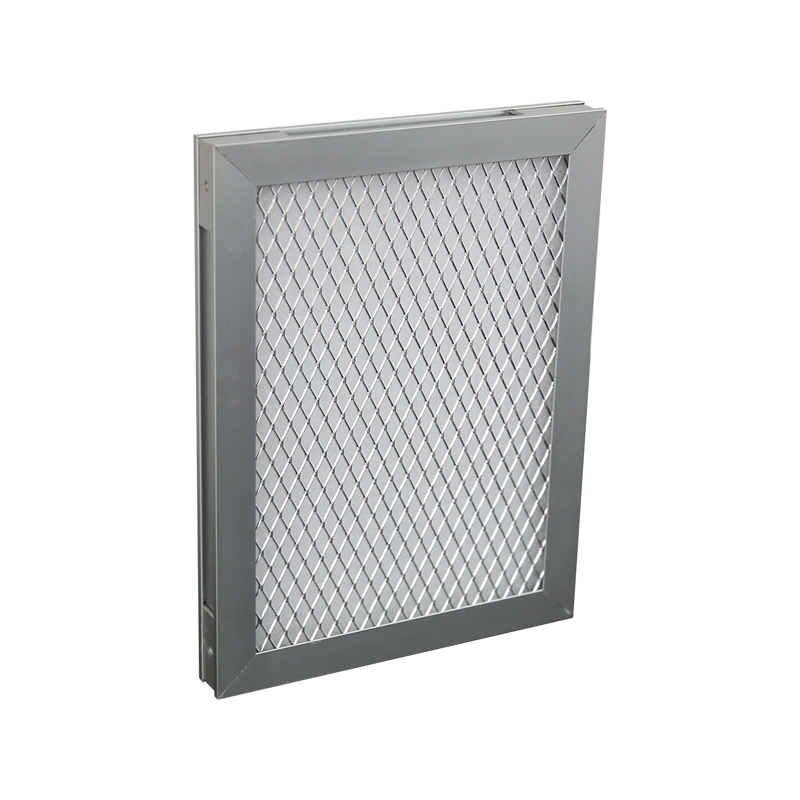
From solutions to productions, we’re specialized in making the products you need.
Home / News / Industry News / HEPA Filter Construction: Media, Design, and Application for Construction Dust
Content
Construction dust is not a single problem. It is a mix of coarse debris, respirable silica, cement dust, and fine particles that can clog machinery and cause long-term health issues. A well-constructed HEPA filter can stop most of this material from circulating, but only when the filter itself is designed for the job and staged behind appropriate pre-filtration. This article explains how HEPA filters are physically built, why construction environments need special consideration, and what to look for when sourcing filters for dust-heavy projects.
HEPA stands for high-efficiency particulate air, and the accepted definition is based on particle capture efficiency. Under EN 1822 and ISO 29463, a filter classified as H13 must capture at least 99.95 percent of particles at the most penetrating particle size around 0.3 microns. H14 requires at least 99.995 percent. That level of performance comes from several design details working together.
The core is the filter media. Most commercial HEPA media are wet-laid mats of borosilicate glass microfibers, sometimes reinforced with synthetic fibers or made from PTFE membranes. The fibers create a tortuous path for air, capturing particles by interception, impaction, and diffusion. Media thickness, fiber diameter, and binder content all influence pressure drop and efficiency, which is why a filter that performs well in a clean office may fail quickly when exposed to high loads.
Media is pleated to increase surface area inside a compact frame. A typical HEPA filter may contain 20 to 60 pleats per foot, depending on media depth and pleat shape. In mini-pleat designs, hot-melt adhesive beads separate the pleats and form stable air channels. In older designs, corrugated aluminum separators perform the same role. Either way, the goal is to maximize filtration area while keeping airflow resistance low.
The frame and gasket are just as critical as the media. Loose bypass air can ruin an otherwise efficient filter. Frames commonly use galvanized steel, aluminum, plastic, or paper card, and gaskets use closed-cell polyurethane foam or applied sealant. The choice affects durability, weight, and resistance to moisture and chemicals. In vibration-heavy equipment, a rigid frame and a properly compressed gasket are the difference between reliable performance and early leakage.
| Component | Role | Typical construction |
|---|---|---|
| Filter media | Captures particles | Wet-laid borosilicate glass or PTFE membrane |
| Pleats | Increase surface area | Mini-pleat or deep pleat with hot-melt separator beads |
| Frame | Maintains shape and seal | Galvanized steel, aluminum, PVC, PP, or paper card |
| Gasket | Prevents bypass leakage | Closed-cell polyurethane foam or applied sealant |
Construction and renovation sites produce unusually high dust loads. Demolition, concrete cutting, drywall sanding, and material handling release particles that range from visible chips down to sub-micron silica. If a HEPA filter is exposed to that mixture without protection, the media can blind quickly. The high concentration of coarse particles may also damage fragile filter media and collapse pleats if the filter is not robustly constructed.
Another challenge is the intermittent and changing nature of construction work. A filter that works well on Monday may be covered in plaster dust by Wednesday. Pressure drop rises, airflow drops, and if the filter is not changed, the system may overheat or bypass through damaged seals. That is why most practical construction dust control uses staged filtration, the same principle used in HVAC system air filtration.
Respirable crystalline silica is a particular concern. Occupational exposure limits in many countries are set at 0.05 mg/m³ over an eight-hour shift. A properly staged HEPA system helps reduce the airborne fraction that reaches workers and equipment, but only if the pre-filters are changed on time and the final HEPA filter is installed without damage.
A single HEPA filter is rarely enough in a heavy dust environment. The better approach is to protect the HEPA filter with upstream stages that capture larger particles and extend service life. A typical configuration for portable air scrubbers and ventilation systems in construction zones includes a washable pre-filter, a medium-efficiency pocket or panel filter, and a final HEPA stage.
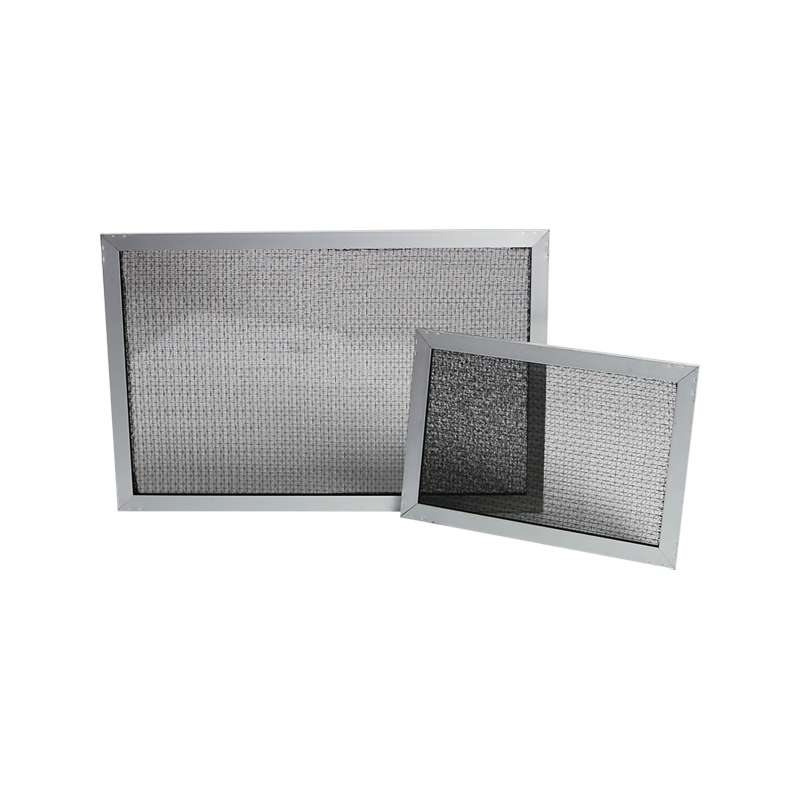
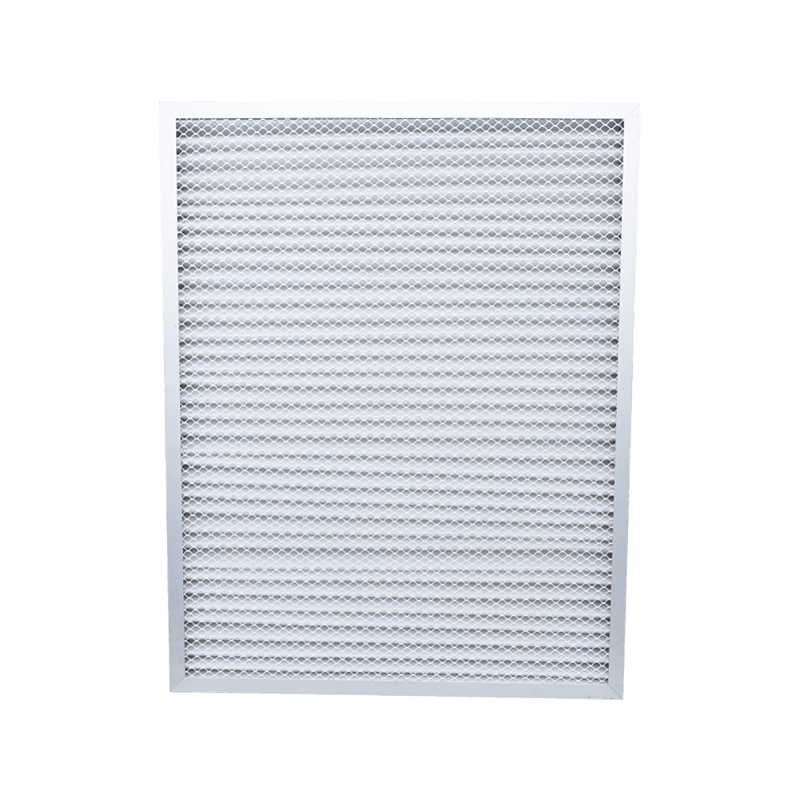
Start with a washable aluminum-frame primary filter at the intake. These filters capture visible dust, fibers, and large debris while allowing periodic cleaning without replacing the frame. They are inexpensive and reduce the load on downstream filters.
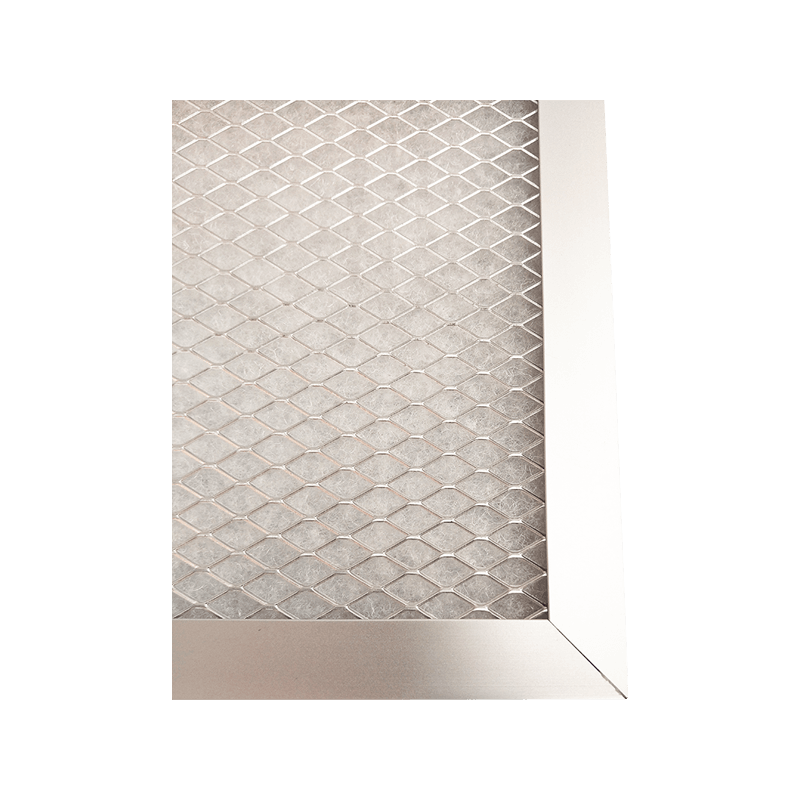 Aluminum Frame Washable Primary Filters Suppliers, Company - Nantong Henka EnvirNantong Henka - Aluminum Frame Washable Primary Filter Suppliers and Company in China, Wholesale Aluminum Frame Washable Primary Filters,...View Product →
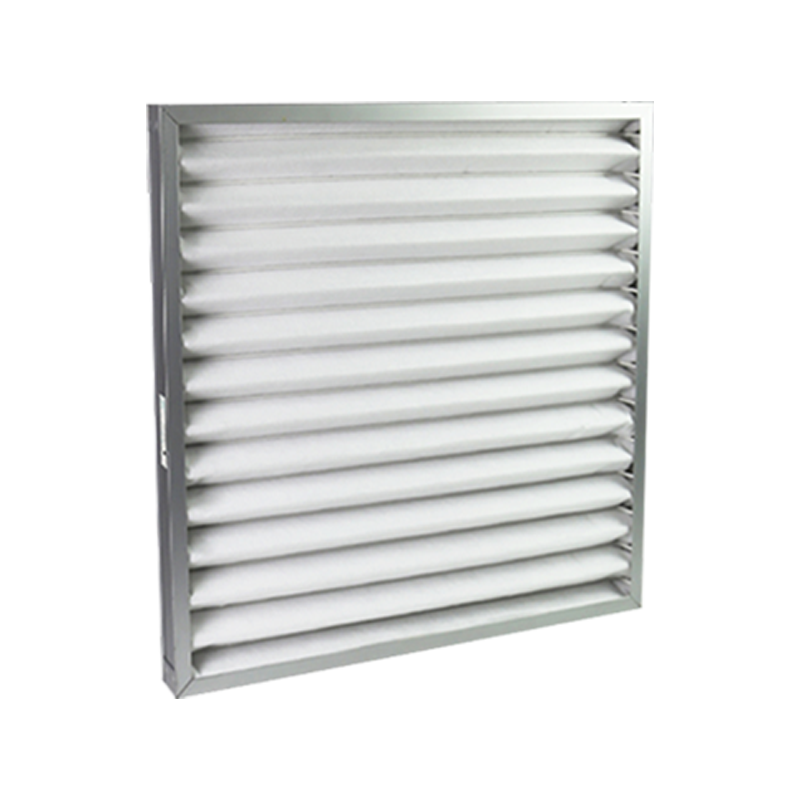
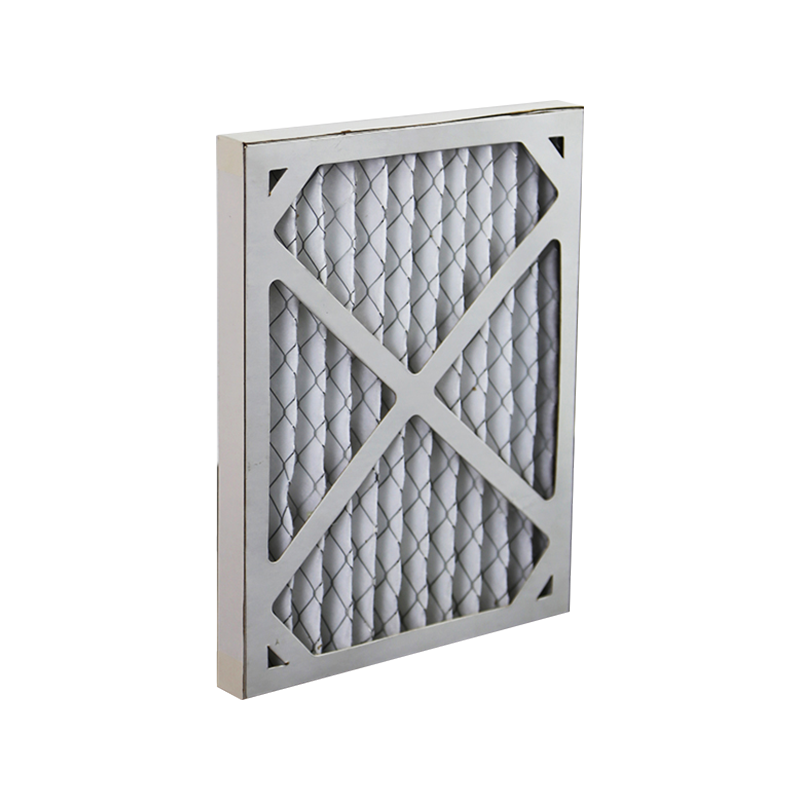
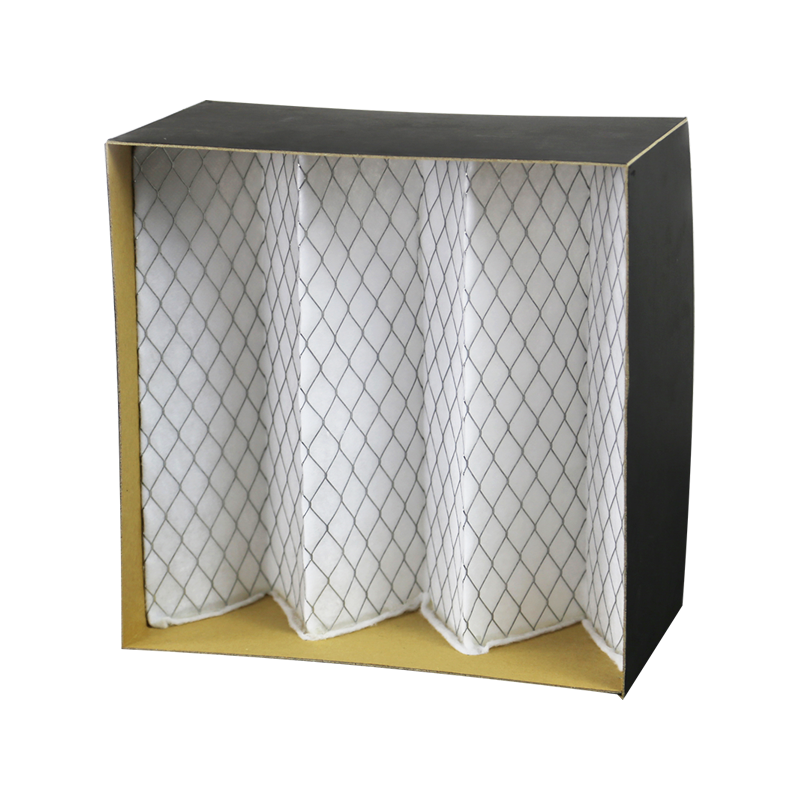
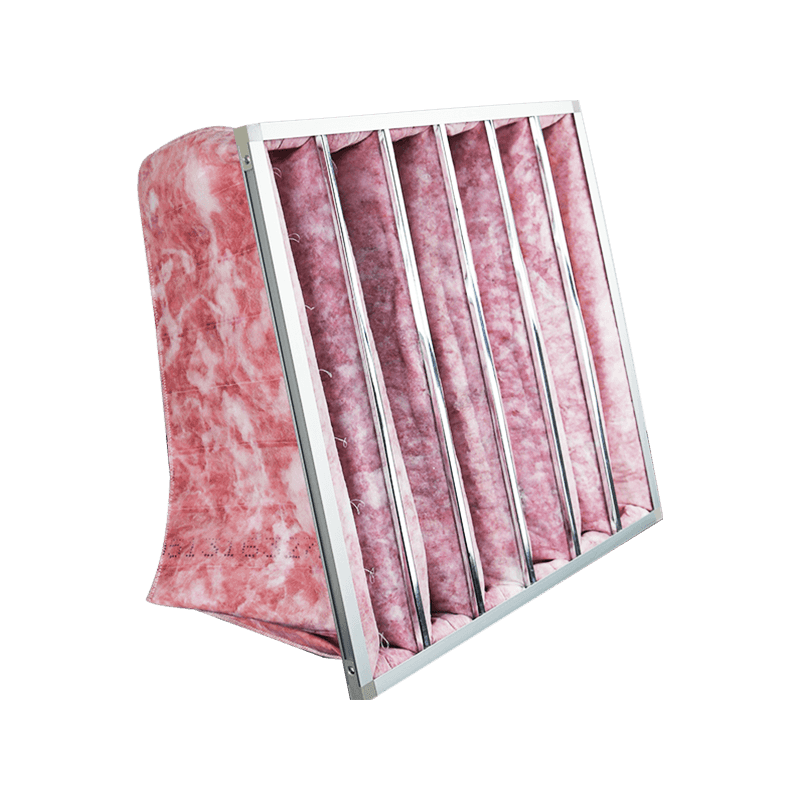
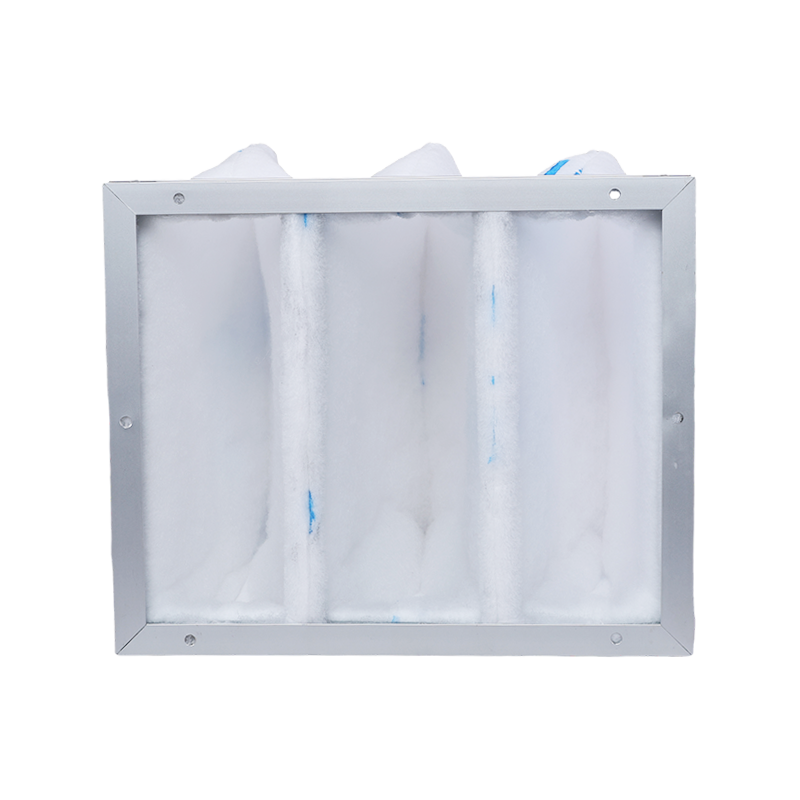
The middle stage should remove particles in the 1–10 micron range. A pleated panel filter or a medium-efficiency pocket bag filter works well here. For many systems, a compact V-bank design is preferred because it offers a large media area in a reduced footprint. An example with good mechanical strength is the galvanized V-bank high-efficiency air filter, which suits high-flow ventilation units and air handlers.
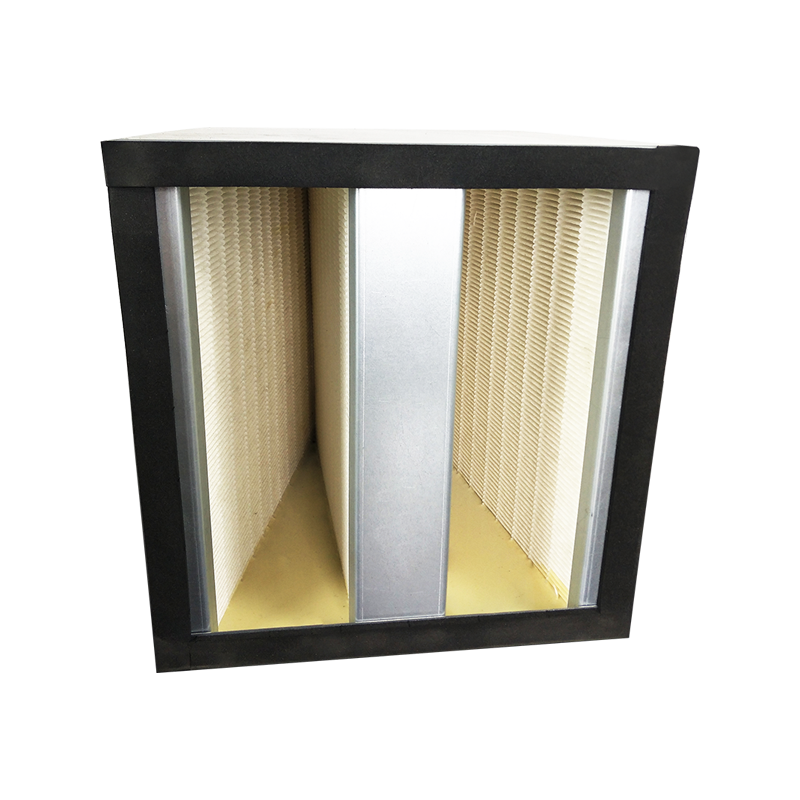 Galvanized V-Bank / W Type Combined High Air Flow Air Filters Suppliers, CompanyNantong Henka - Galvanized V-Bank / W Type Combined High Air Flow Air Filter Suppliers and Company in China, Wholesale Galvanized V-Bank ...View Product →
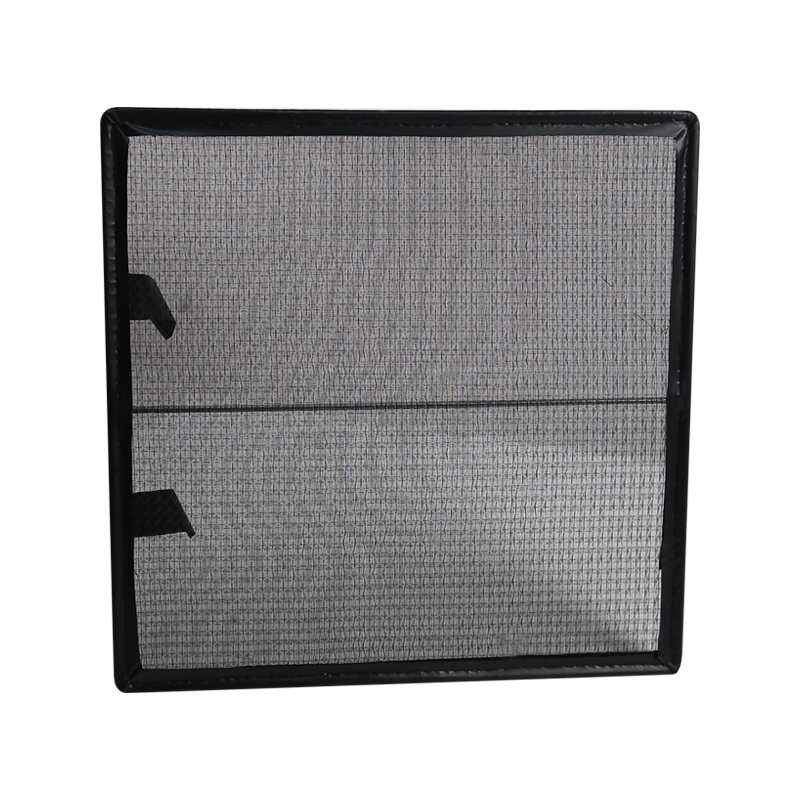
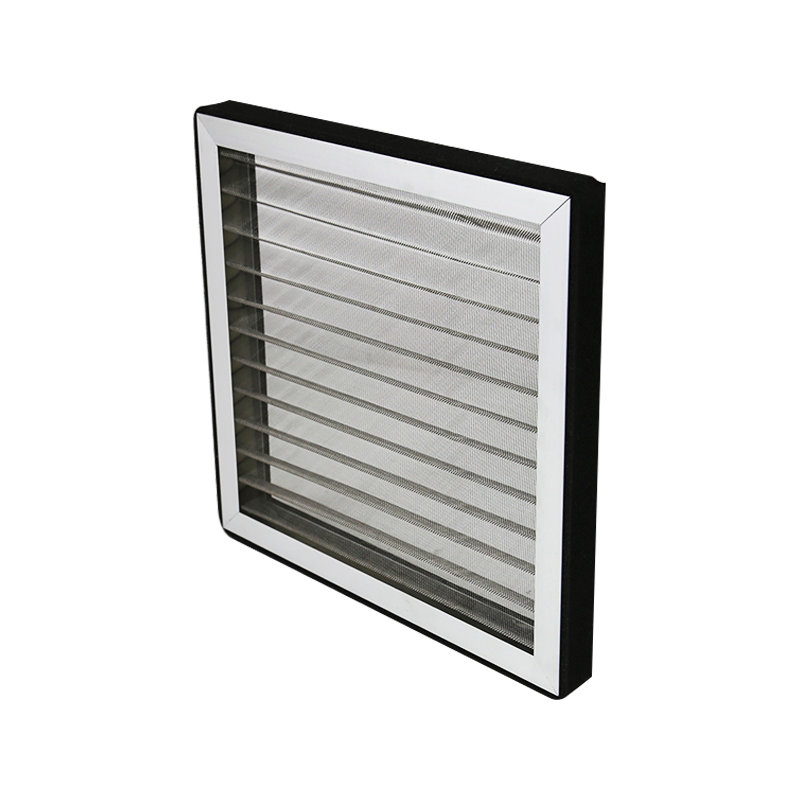
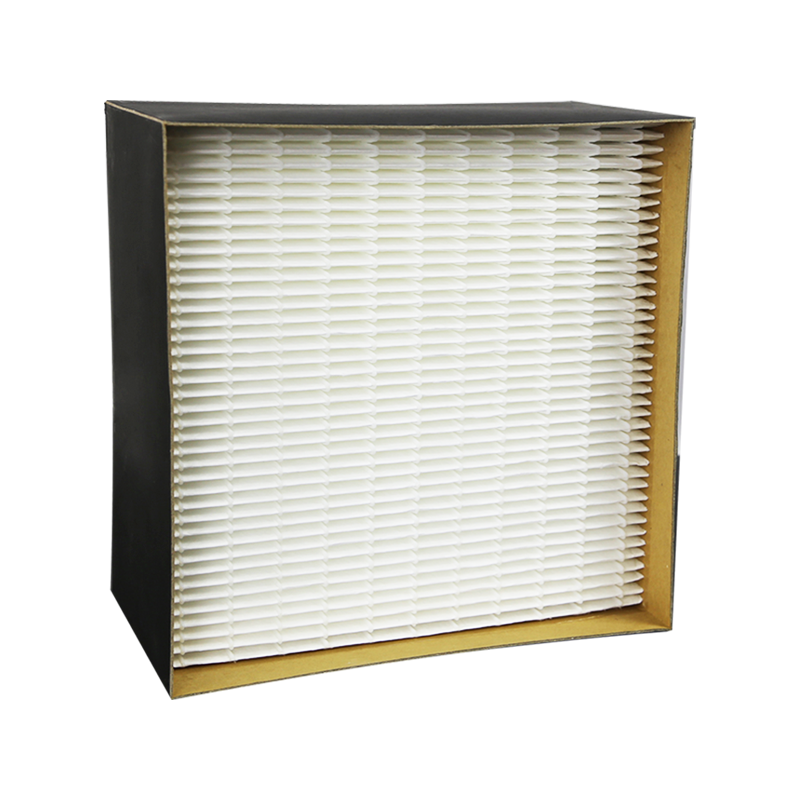
The final HEPA stage brings the system to the required level for fine dust and respirable particles. For projects that demand documented performance under repeated loading, a UL-certified diaphragm glass-fiber air filter is a reliable choice. The continuous diaphragm media provides uniform pleat spacing and stable sealing, which reduces the risk of pinpoint leaks over long service periods.
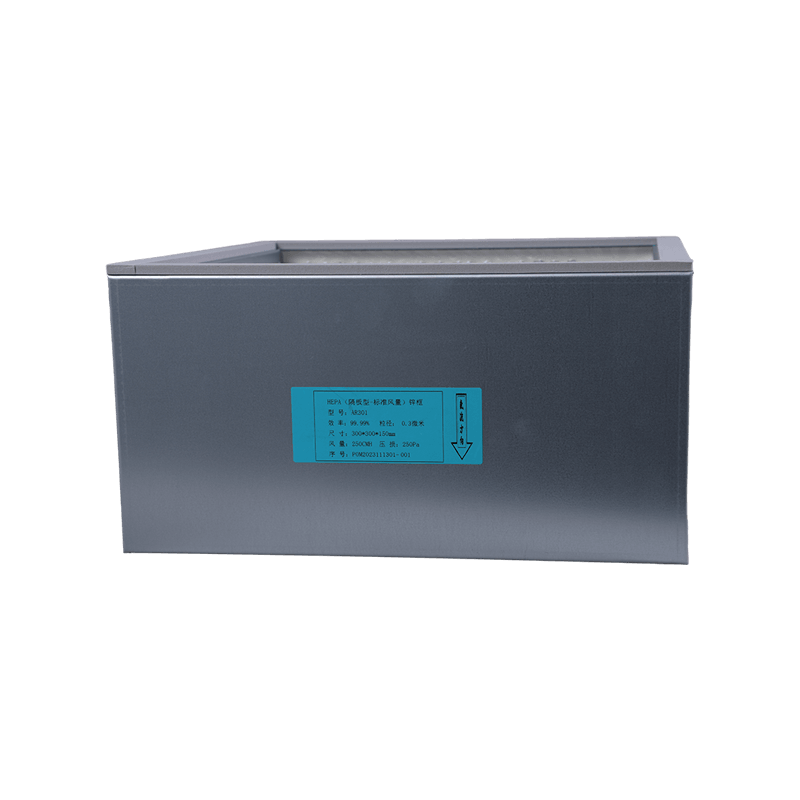 UL Certified Diaphragm Glass Fiber Air Filters Suppliers, Company - Nantong HenkNantong Henka - UL Certified Diaphragm Glass Fiber Air Filter Suppliers and Company in China, Wholesale UL Certified Diaphragm Glass Fibe...View Product →
When you evaluate HEPA filters for construction-related equipment or renovation projects, start with the required efficiency class. H13 is usually sufficient for dust control; H14 adds safety margin for clean-up work in sensitive areas. Next, check the maximum working temperature, humidity resistance, and whether the media can handle fine powdery dust without excessive pressure drop.
Frame construction matters more than many buyers expect. In a construction environment, the filter will be handled, vibrated, and exposed to temperature swings. A fragile paper frame can deform, while a metal or reinforced plastic frame holds up better. Confirm the gasket material is compatible with the conditions; silicone-based gaskets resist temperature extremes, while polyurethane gaskets provide good compressive sealing.
Also consider the duct connection method and available servicing space. A filter that is difficult to remove is less likely to be changed on schedule, and a filter that drops into the housing incorrectly will leak even if the media is perfect. Measure the existing housing or frame opening carefully and ask the supplier for dimensional tolerances before committing to a production run.
Finally, require test data and traceability. A reliable HEPA filter supplier should provide efficiency test certificates and explain the pleat geometry, media type, and sealing method. The same leak-test discipline used in clean-room air filtration can be applied at a practical level to catch defective filters before installation.
HEPA filter construction is a balance of media selection, pleat geometry, frame strength, and sealing. In construction dust applications, that balance must also include upstream pre-filtration and realistic service planning. Whether you are designing an air scrubber, a ventilation unit, or a renovation cleanup plan, choose filters that are certified to the right efficiency, built to handle coarse dust, and sourced from a manufacturer that can adjust frame, media, and sealing options to your specific product. A filter that fails in the field is never a bargain.














Copyright 2023 Nantong Henka Environment Solutions Co.,Ltd. All Rights Reserved
 HEPA Air Filters Manufacturers Customized HEPA Air Filters Factory
 Tel: +86-13813766750
 E-mail:
  Add: 5169, Bin'gang Ave, Binjiang Subdistrict, Haimen City, Jiangsu, China