


 English
 русский
 Español
 简体中文
简体中文
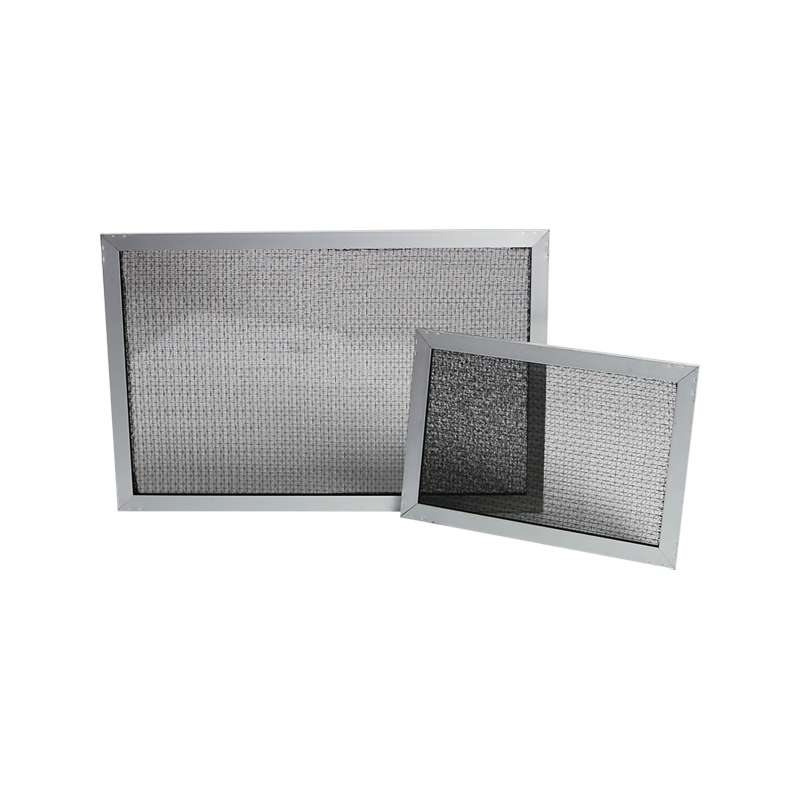
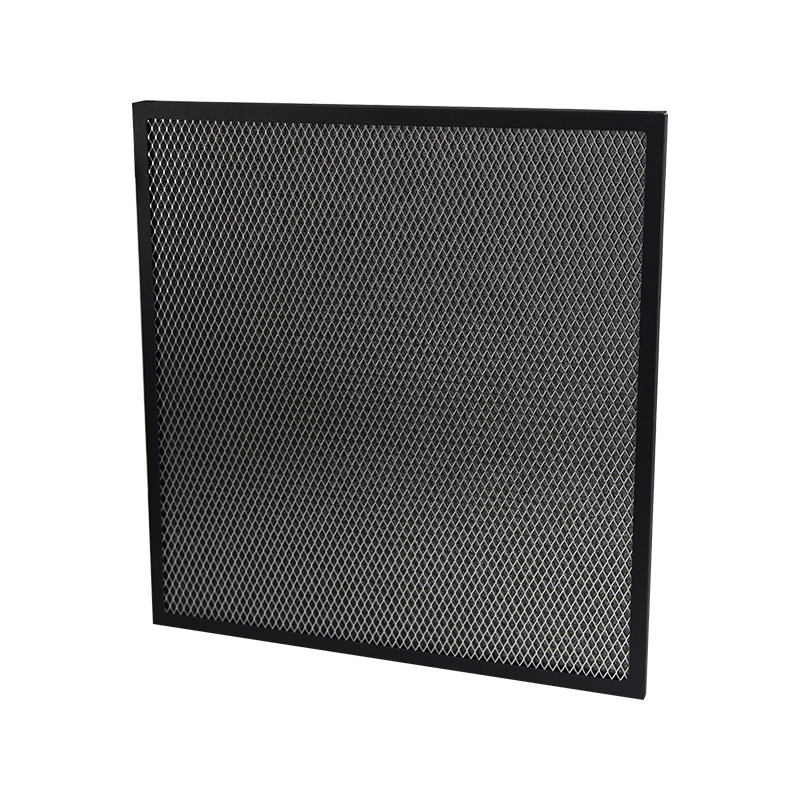
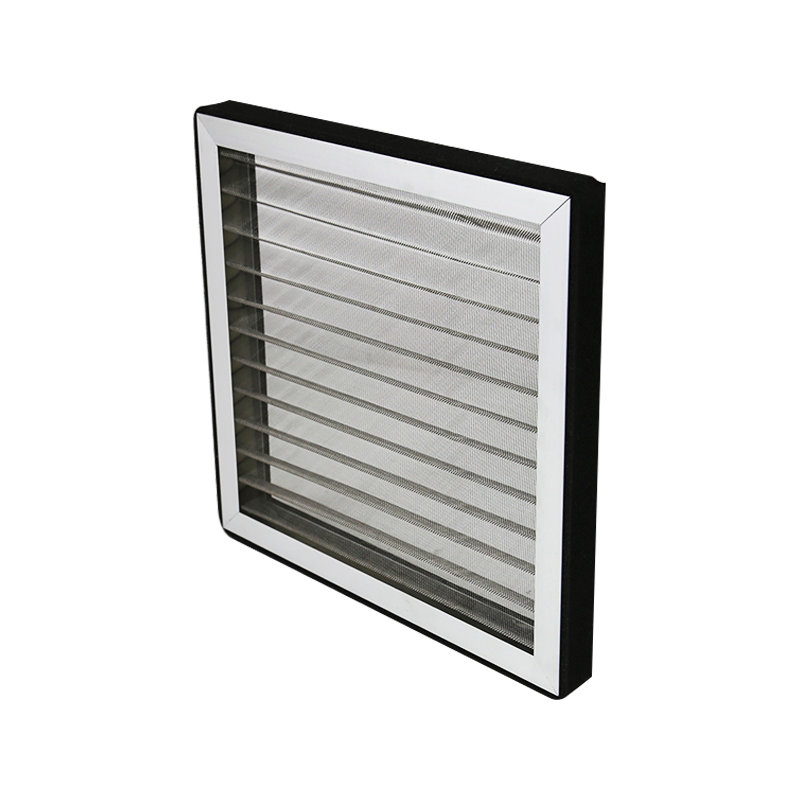
From solutions to productions, we’re specialized in making the products you need.
Home / News / Industry News / Are Medium Efficiency Air Filters the Right Choice for Your HVAC System?
Content
Medium efficiency air filters occupy the performance tier between basic fiberglass panel filters and high-efficiency particulate air (HEPA) filters. In the context of HVAC and ventilation systems, "medium efficiency" is most precisely defined by the ASHRAE 52.2 standard, which assigns each filter a Minimum Efficiency Reporting Value — commonly known as a MERV rating — on a scale from 1 to 16 for commercially available filters. Medium efficiency filters typically fall within the MERV 8 to MERV 13 range, capturing particles that low-efficiency filters miss entirely while maintaining airflow resistance levels that most residential and commercial HVAC systems can handle without strain.
The MERV rating is not a single-particle measurement. It evaluates a filter's efficiency across three particle size ranges: E1 (0.3 to 1.0 micron), E2 (1.0 to 3.0 microns), and E3 (3.0 to 10.0 microns). A MERV 8 filter, for example, captures at least 70 percent of particles in the E3 range and at least 20 percent in the E2 range. A MERV 13 filter captures more than 75 percent of E1 particles — a range that includes fine combustion particles, smoke, and some bacteria-carrying droplets. This granularity makes MERV ratings a far more meaningful purchasing tool than vague marketing terms like "allergen-reduction" or "ultra-clean," which have no standardized definition.
Understanding what contaminants each MERV tier targets helps match the filter to the air quality problem you are actually trying to solve. The following table provides a practical breakdown of the medium efficiency range:
| MERV Rating | Typical Filter Type | Particles Captured | Common Applications |
| MERV 8 | Pleated polyester or cotton | Dust mites, pollen, mold spores, pet dander | Residential homes, light commercial |
| MERV 9–10 | Extended-surface pleated | Humidifier dust, fine dust, lead particles | Commercial offices, schools |
| MERV 11–12 | High-density pleated or mini-pleat | Auto emissions, welding fumes, fine mold | Hospitals (general areas), superior residential |
| MERV 13 | Dense mini-pleat or bag filter | Bacteria, smoke particles, virus carriers | Healthcare, labs, high-performance residential |
It is worth noting that MERV 13 became a widely recommended benchmark during and after the COVID-19 pandemic, as guidance from ASHRAE and the U.S. CDC highlighted its ability to capture aerosol-sized particles in the 1.0 to 3.0 micron range that can carry respiratory viruses. Many commercial building owners upgraded from MERV 8 or MERV 10 filters to MERV 13 as part of broader indoor air quality improvement programs, demonstrating that medium efficiency filters are not a static category but one that continues to expand its relevance.
MERV ratings describe performance outcomes, but the physical construction of the filter media determines how that performance is achieved, how long the filter lasts, and how much resistance it adds to the air handling system. Medium efficiency filters use several distinct media types, each with practical trade-offs.
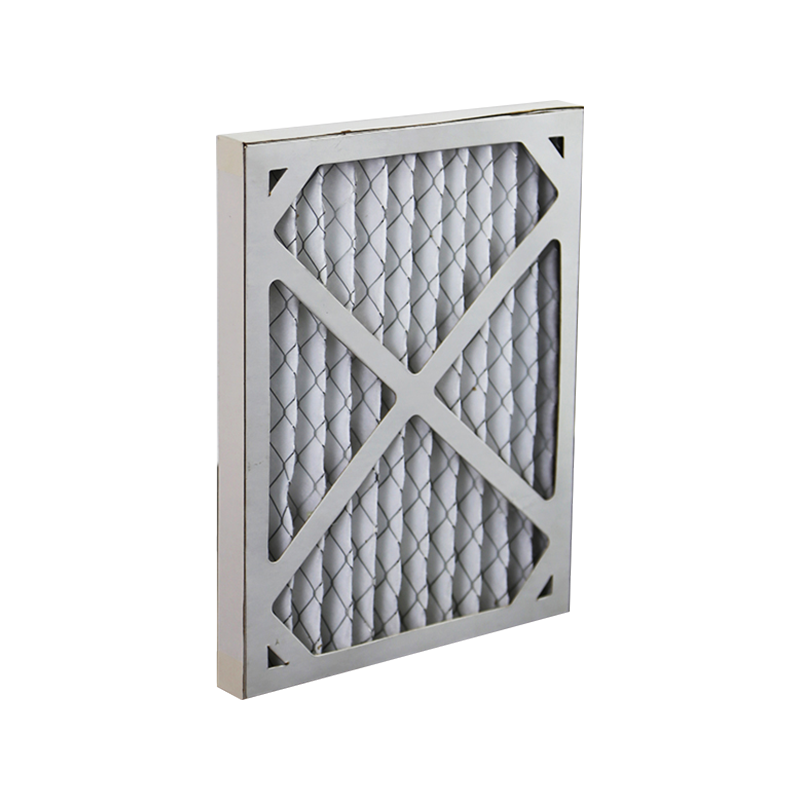
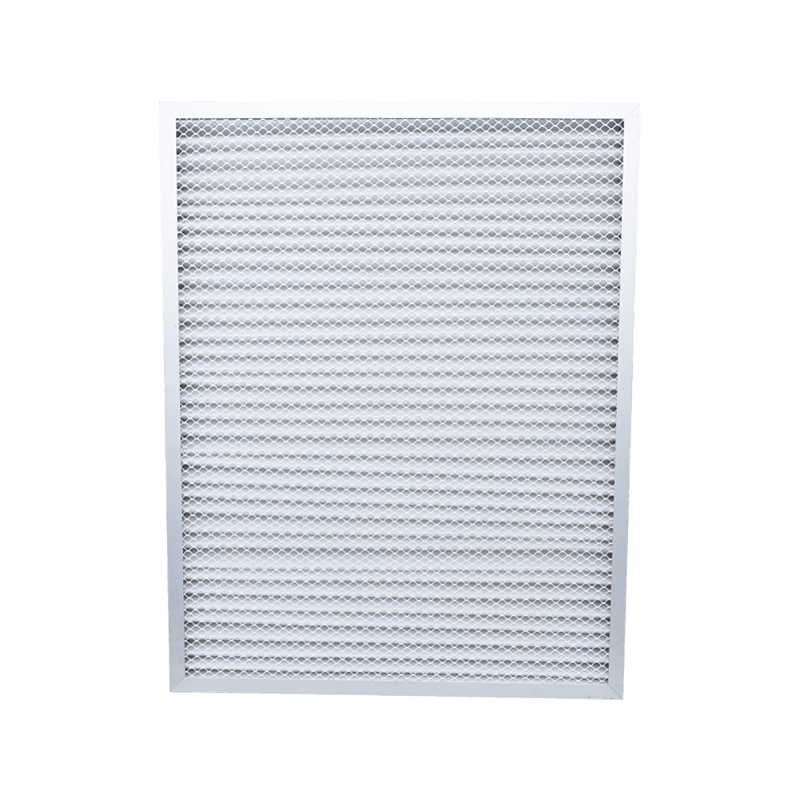
The pleated panel filter is the most common medium efficiency product in the residential market. It consists of a polyester or blended cotton-polyester media folded accordion-style into a cardboard or wire-backed frame, increasing the total surface area available for filtration without increasing the filter's footprint. A standard 1-inch pleated filter at MERV 8 offers a reasonable balance between particle capture and pressure drop, making it suitable for the vast majority of residential air handlers. Thicker pleated filters — 2-inch, 4-inch, or 5-inch depths — provide significantly more media surface area, which extends service life and reduces how quickly the filter loads with particulate, lowering long-term airflow restriction.
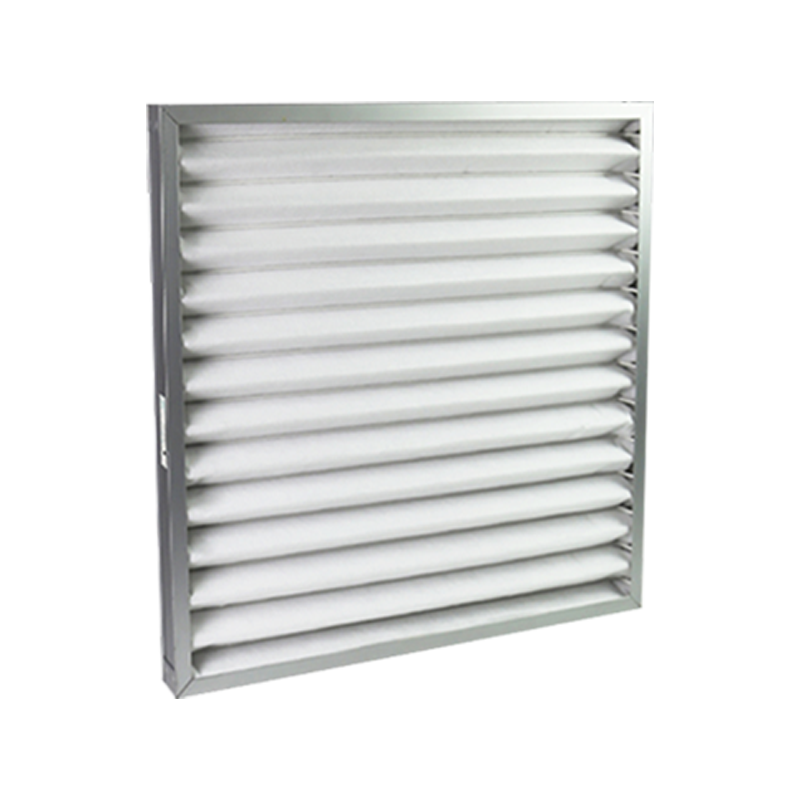
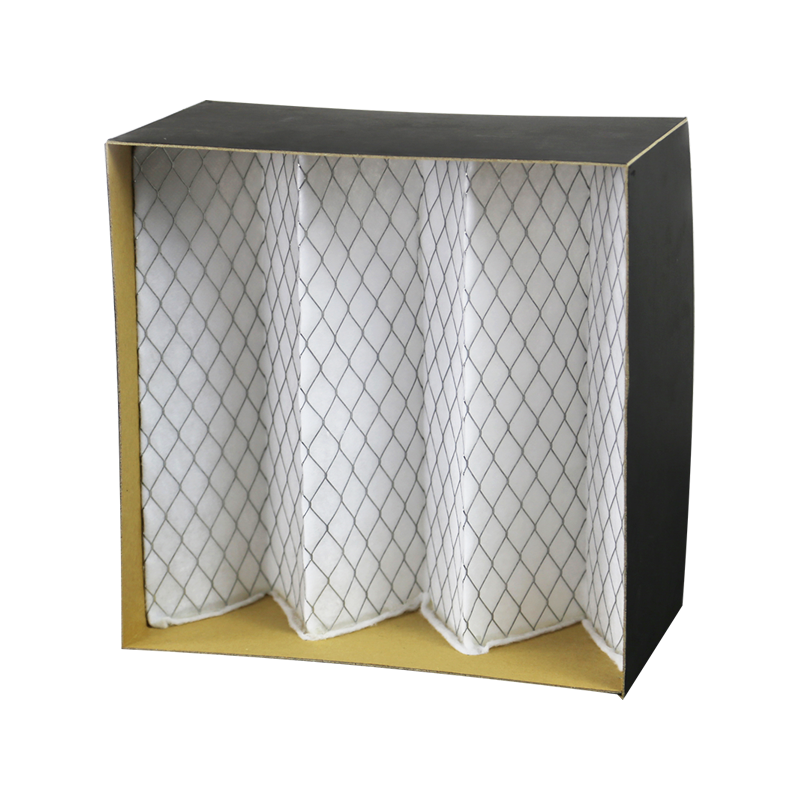
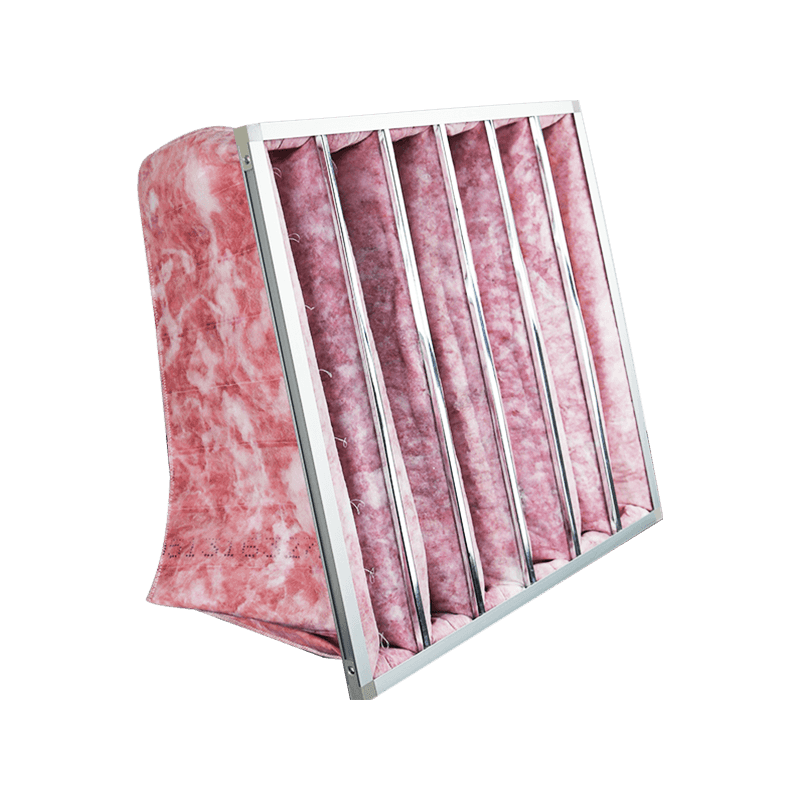
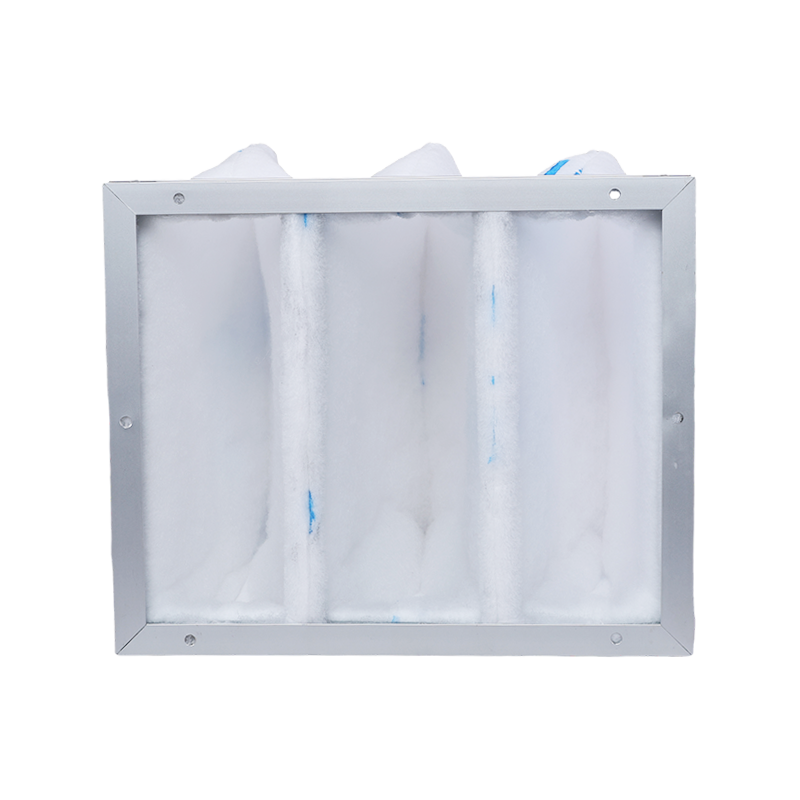
Bag filters, also called pocket filters, are constructed from non-woven synthetic or glass fiber media formed into a series of open pockets or tubes. The pocket geometry creates an enormous effective filtration area within a compact housing, allowing these filters to achieve MERV 11 to MERV 14 performance while maintaining a relatively low initial pressure drop. Bag filters are standard in large commercial air handling units, clean room prefilter stages, and industrial ventilation systems where high airflow volumes and long service intervals are both required. Their main limitation in residential use is physical size — standard bag filter housings are designed for commercial ductwork dimensions and do not fit typical home HVAC cabinets.
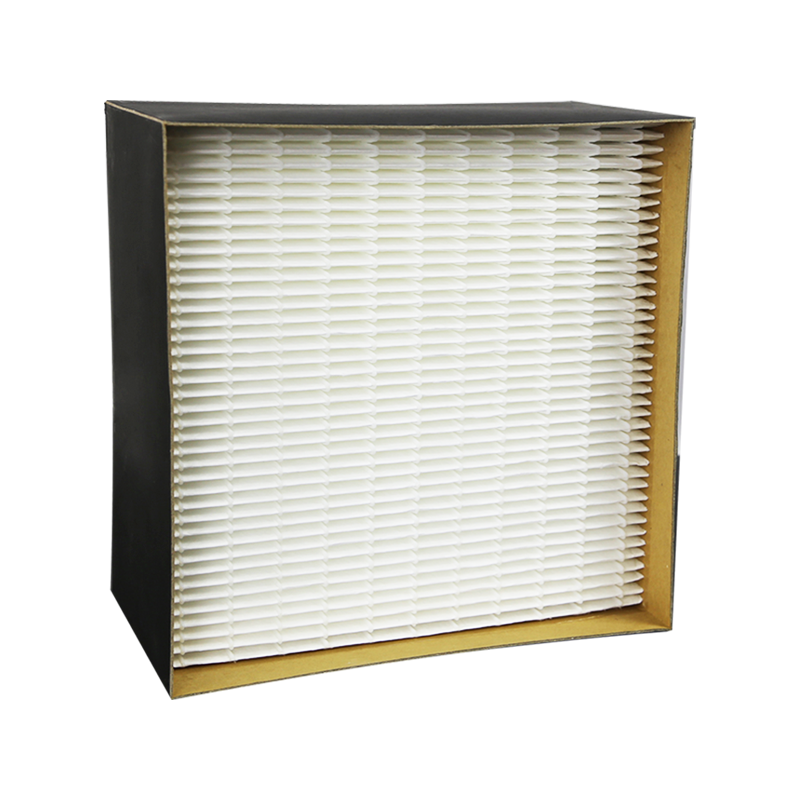
Mini-pleat filters use tightly spaced, shallow pleats — typically with pleat depths of 20 to 50 mm — separated by corrugated separators or hot-melt adhesive beads that prevent adjacent pleats from collapsing against one another under airflow. This construction achieves a very high media packing density, allowing MERV 13 or higher efficiency to be delivered in a relatively thin and lightweight frame. Mini-pleat filters are increasingly used in both commercial and high-performance residential systems as a more cost-effective alternative to bag filters when floor space within the air handler cabinet is limited.

The most important practical constraint when selecting a medium efficiency air filter is pressure drop — the resistance the filter adds to the airflow path through your HVAC system. Every filter creates some resistance, measured in inches of water column (in. w.g.) or Pascals. As efficiency increases, media density typically increases as well, and with it, pressure drop. A MERV 8 pleated filter may have an initial pressure drop of 0.08 in. w.g. at rated airflow, while a MERV 13 mini-pleat may measure 0.20 in. w.g. or higher. These numbers matter because residential air handlers are designed to operate within a specific static pressure range — typically 0.1 to 0.5 in. w.g. total — and exceeding the design limit reduces airflow, strains the blower motor, and can cause coil icing in cooling mode.
The practical solution is to match filter selection to what your system was designed to handle. If your HVAC system has a 1-inch filter slot, installing a thick, dense MERV 13 panel filter will likely cause airflow problems unless the manufacturer specifically supports it. Upgrading the filter housing to accept a 4-inch or 5-inch deep filter of the same MERV rating will deliver both better filtration and lower resistance, because the larger media area reduces face velocity. Consulting the air handler's technical specifications or an HVAC technician before upgrading beyond MERV 10 in an older residential system is a prudent step that prevents unintended consequences.
Replacement intervals for medium efficiency filters depend on three intersecting factors: the filter's media volume, the particulate load in the air it processes, and the airflow rate through the system. Manufacturer-stated replacement intervals — often quoted as 60, 90, or 180 days — are baseline estimates derived from average residential conditions. Actual service life varies considerably based on specific circumstances.
Medium efficiency air filters represent the practical optimum for most occupied buildings — delivering meaningful improvement in indoor air quality over low-efficiency alternatives without the airflow penalties and system compatibility issues associated with HEPA-level filtration. Selecting the right MERV rating for your application, ensuring the filter fits its housing without bypass gaps, and replacing it based on actual loading rather than fixed calendar intervals are the three practices that will consistently deliver the best results from this category of filtration equipment.
Are All HEPA Filters the Same — or Are You Buying False Protection?
Are You Using the Right Vacuum Air Filter — and Is It Clean Enough to Actually Protect Your Home?















Copyright 2023 Nantong Henka Environment Solutions Co.,Ltd. All Rights Reserved
 HEPA Air Filters Manufacturers Customized HEPA Air Filters Factory
 Tel: +86-13813766750
 E-mail:
  Add: 5169, Bin'gang Ave, Binjiang Subdistrict, Haimen City, Jiangsu, China