


 English
 русский
 Español
 简体中文
简体中文
From solutions to productions, we’re specialized in making the products you need.
Home / News / Industry News / What Makes a Cylindrical Filter Cartridge the Right Choice for Your Filtration System?
Content
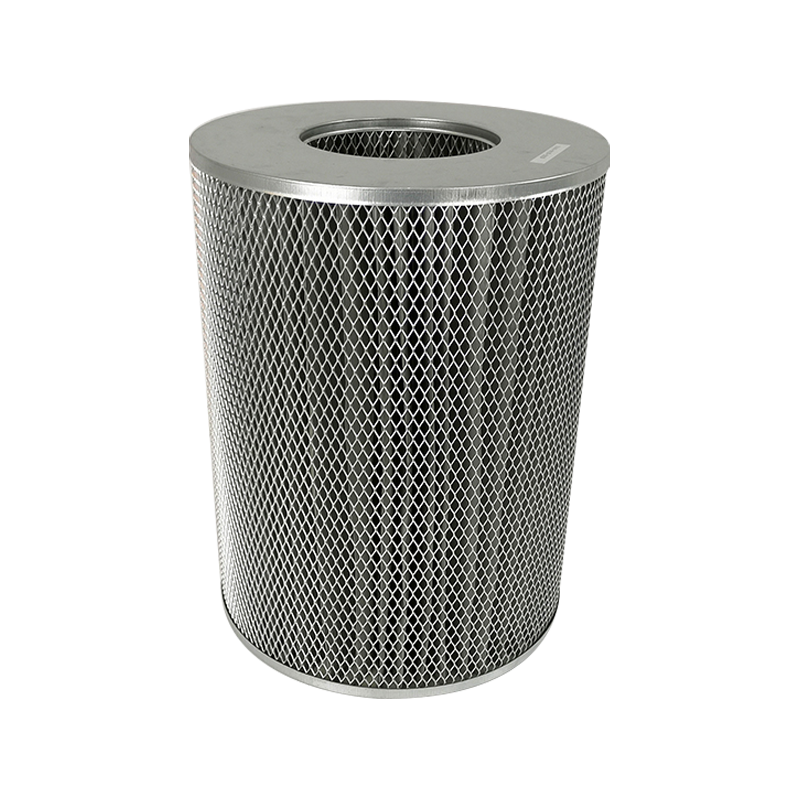
A cylindrical filter cartridge is a tubular filtration component designed to trap particulates, contaminants, or impurities from liquids and gases as they pass through a filtration system. Unlike flat panel filters, the cylindrical shape provides a larger surface area within a compact footprint, allowing for higher flow rates and longer service life before replacement. These cartridges are widely used across industries such as water treatment, pharmaceuticals, food and beverage processing, chemical manufacturing, and HVAC systems.
The core function of a cylindrical filter cartridge is to physically block particles above a certain size while allowing the fluid or gas to pass through freely. This is achieved through pleated or wound media that maximizes surface area, which in turn improves dirt-holding capacity and extends the interval between cartridge changes.
Fluid enters the filter housing and flows radially through the cartridge wall, moving from the outside surface toward the hollow core, or in some designs, from the inside out. As the fluid passes through the media, contaminants larger than the rated pore size are captured on or within the filter material. The clean fluid then exits through the central core and continues through the system.
Some cylindrical cartridges rely on depth filtration, where particles are trapped throughout the thickness of the media, offering higher dirt-holding capacity. Others use surface filtration, where particles are captured on the outer layer, making them easier to clean or backwash in reusable designs. Choosing between these two approaches depends on the nature of the contaminants and whether the cartridge is intended for single-use or repeated cleaning cycles.
The choice of filter media significantly affects performance, chemical resistance, and cost. Below is a comparison of commonly used materials and their typical characteristics.
| Material | Typical Micron Range | Best Suited For |
| Polypropylene (PP) | 1 to 100 microns | General water filtration, low chemical exposure |
| Pleated Cellulose | 5 to 50 microns | Oil and fuel filtration |
| Stainless Steel Mesh | 10 to 200 microns | High-temperature or corrosive environments |
| Activated Carbon | Not particle-based | Chlorine, odor, and taste removal |
| PTFE (Teflon) | 0.1 to 10 microns | Aggressive chemicals and high-purity applications |
Selecting the correct material ensures the cartridge can withstand the operating temperature, pressure, and chemical composition of the fluid being filtered without degrading prematurely.
Choosing an appropriate cartridge requires evaluating several technical factors rather than relying on size alone. A mismatch between the cartridge specifications and system requirements can lead to inefficient filtration, frequent clogging, or even system damage.
The micron rating determines the smallest particle size the cartridge can effectively capture. Applications requiring high purity, such as pharmaceutical or electronics manufacturing, typically demand a lower micron rating, while general industrial water filtration can tolerate a higher rating.
Every cartridge has a recommended flow rate range. Operating outside this range can cause excessive pressure drop, reduced filtration efficiency, or premature media failure. It is important to match the cartridge's flow capacity with the system's actual demand.
Fluids containing acids, solvents, or oxidizing agents require cartridge materials that resist chemical breakdown. Failing to verify compatibility can result in media degradation, contamination of the filtered fluid, or complete cartridge failure during operation.
Proper installation and routine maintenance directly influence the lifespan and performance of a cylindrical filter cartridge. Following a few practical guidelines can help avoid common operational issues.
Neglecting these practices can lead to reduced filtration efficiency, increased energy consumption due to higher pump loads, and unplanned system downtime.
Cylindrical filter cartridges are versatile components used in a wide range of settings due to their adaptable size, media options, and housing configurations.
Each application places different demands on the cartridge, which is why understanding the operating environment before purchase is essential for long-term reliability.
While the upfront cost of a cylindrical filter cartridge is often the first consideration, evaluating the total cost of ownership provides a more accurate picture. A cheaper cartridge with a shorter service life may require more frequent replacements, increasing labor and downtime costs over time. Conversely, investing in a higher-quality cartridge with greater dirt-holding capacity can reduce the frequency of changeouts and lower overall maintenance expenses.
Tracking replacement intervals and comparing them against performance data, such as pressure drop trends, allows facility managers to make informed decisions about whether to continue with a current cartridge type or switch to a more cost-effective alternative.
True HEPA vs HEPA-Type vs ULPA: How to Choose the Right Filter
Which Type of Industrial Cartridge Filter Is Right for Your Application?














Copyright 2023 Nantong Henka Environment Solutions Co.,Ltd. All Rights Reserved
 HEPA Air Filters Manufacturers Customized HEPA Air Filters Factory
 Tel: +86-13813766750
 E-mail:
  Add: 5169, Bin'gang Ave, Binjiang Subdistrict, Haimen City, Jiangsu, China