


 English
 русский
 Español
 简体中文
简体中文
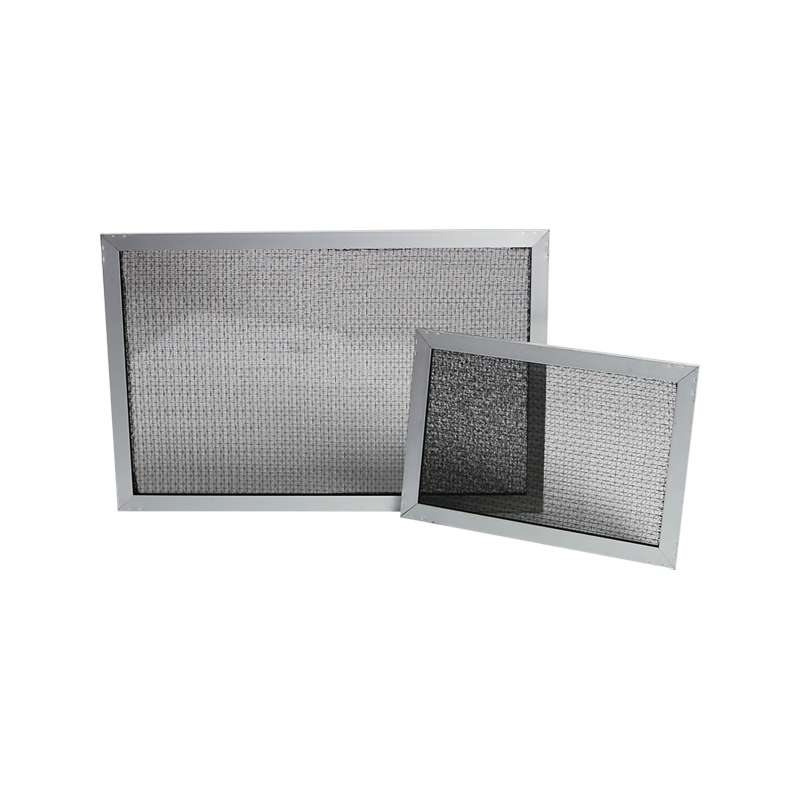
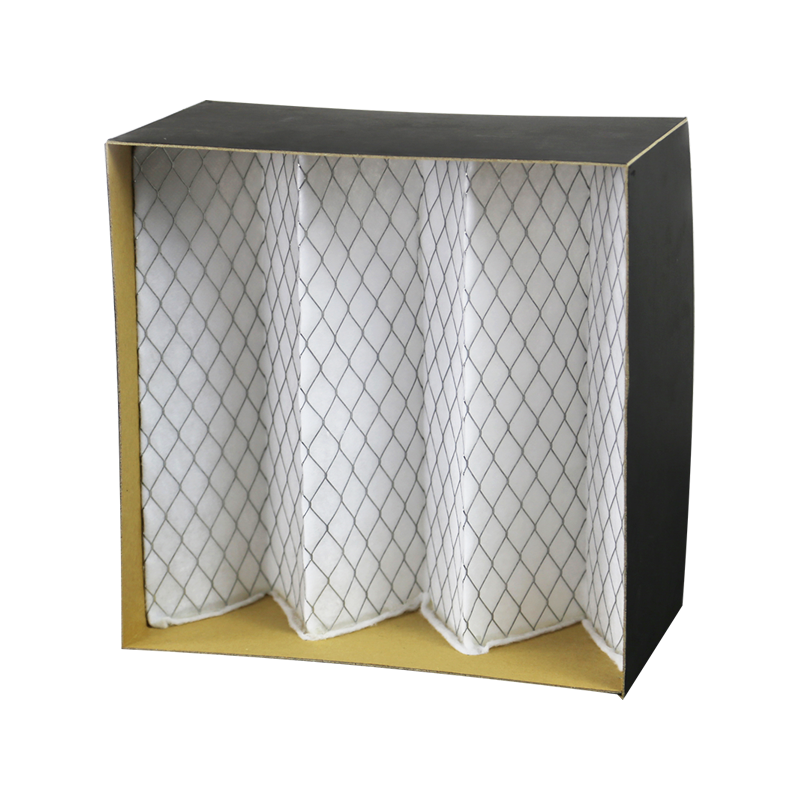
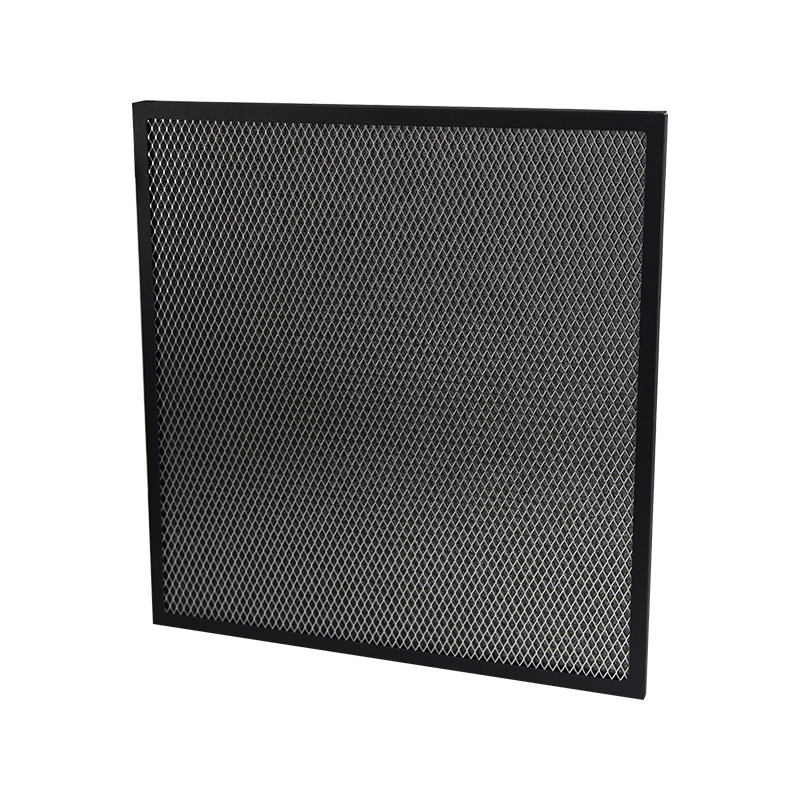
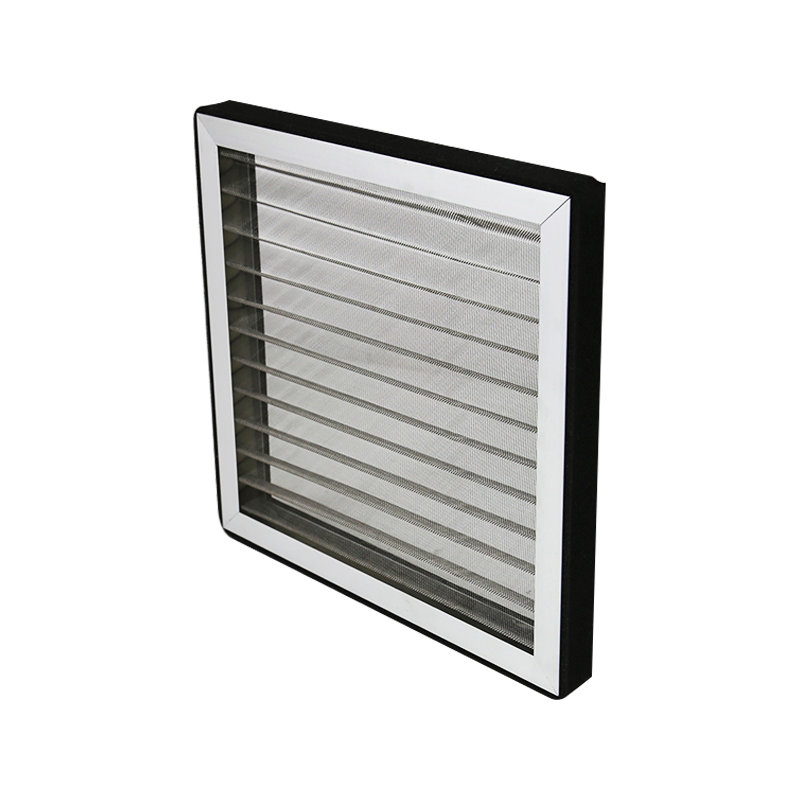
From solutions to productions, we’re specialized in making the products you need.
Industry News
Feb 10,2026
Choosing the Best Air Purifier for VOCs and Formaldehyde
Content
- 1 Understanding Formaldehyde and VOCs in Indoor Air
- 2 Key Features to Prioritize When Selecting Air Purifiers
- 3 Comparing Air Purification Technologies for VOC Removal
- 4 Proper Sizing and Placement for Maximum Effectiveness
- 5 Understanding Filter Lifespan and Replacement Costs
- 6 Additional Technologies and Complementary Features
- 7 Avoiding Ineffective or Potentially Harmful Technologies
- 8 Maximizing Performance Through Proper Operation
- 9 Complementary Strategies for Comprehensive VOC Control
- 10 Evaluating Performance Claims and Certifications
Understanding Formaldehyde and VOCs in Indoor Air
Formaldehyde represents one of the most common and concerning volatile organic compounds (VOCs) found in residential and commercial environments, released from numerous building materials, furnishings, and household products. This colorless gas with a distinctive pungent odor poses significant health risks even at low concentrations, causing eye irritation, respiratory problems, headaches, and potential long-term effects including increased cancer risk with chronic exposure. Understanding the sources and behavior of formaldehyde in indoor environments helps inform effective mitigation strategies and appropriate air purification technology selection.
VOCs encompass a broad category of carbon-based chemicals that readily evaporate at room temperature, with formaldehyde being just one member of this extensive family. Common indoor VOC sources include pressed wood products like particleboard and plywood, adhesives and glues, paints and varnishes, cleaning products, carpeting, upholstery, and even personal care products. New construction and recent renovations typically exhibit elevated VOC levels that gradually decline over time through a process called off-gassing, though some sources continue releasing chemicals for years. Modern energy-efficient homes with tighter construction and reduced air exchange rates can trap these pollutants, creating concentrations significantly higher than outdoor air and necessitating active air quality management strategies.
How Formaldehyde Air Filters Actually Work
Effective formaldehyde removal requires specialized filtration technology beyond standard particulate filters, as this gaseous pollutant passes freely through HEPA filters designed to capture airborne particles. Understanding the mechanisms by which different filter types address formaldehyde helps consumers select appropriate solutions and avoid ineffective products marketed with misleading claims.
Activated Carbon Adsorption
Activated carbon filters employ porous carbon material with enormous surface area created through high-temperature processing that opens millions of microscopic pores within the carbon structure. These pores physically trap VOC molecules including formaldehyde through adsorption, where gas molecules adhere to the carbon surface via van der Waals forces. Standard activated carbon provides moderate formaldehyde removal but performs better against larger VOC molecules like benzene or toluene. The effectiveness depends heavily on carbon quantity, pore size distribution, contact time between air and carbon media, and environmental conditions including temperature and humidity.
Chemically Treated Carbon Media
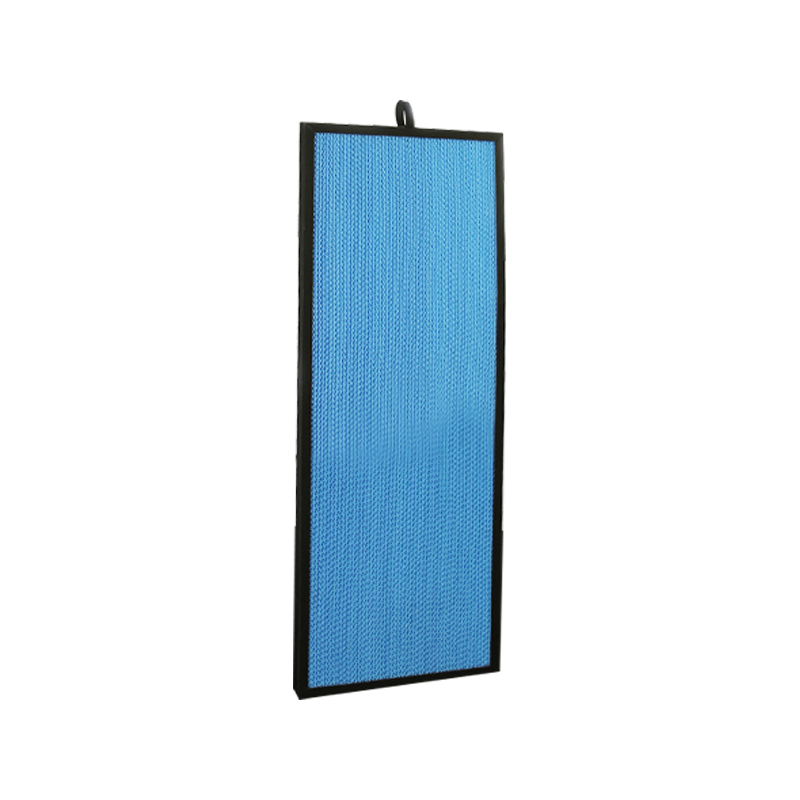
Enhanced activated carbon incorporates chemical treatments specifically targeting formaldehyde and other small VOC molecules that standard carbon captures less effectively. Potassium permanganate impregnation creates a powerful oxidizing environment that chemically converts formaldehyde into less harmful compounds rather than simply trapping it, providing superior removal efficiency and extended filter life. Some manufacturers use proprietary chemical treatments or blends optimized for specific VOC profiles, though the exact formulations typically remain trade secrets. These chemically enhanced filters demonstrate significantly better formaldehyde removal than untreated carbon but may generate harmless byproducts requiring eventual filter replacement.
Catalytic Oxidation Technology
Advanced air purifiers incorporate catalytic oxidation systems using titanium dioxide or other photocatalytic materials activated by UV light to break down formaldehyde molecules into carbon dioxide and water vapor. This process destroys formaldehyde rather than merely collecting it, theoretically providing unlimited capacity without filter saturation concerns. However, catalytic systems require sufficient contact time, appropriate UV wavelength and intensity, and proper catalyst surface area to achieve meaningful formaldehyde reduction. Some designs combine catalytic oxidation with traditional filtration methods, creating multi-stage systems addressing both gaseous and particulate pollutants.
Key Features to Prioritize When Selecting Air Purifiers
Choosing an effective formaldehyde air purifier requires evaluating multiple technical specifications and features beyond marketing claims, as performance varies dramatically between products and inappropriate selection may provide minimal benefit despite significant investment.
- Clean Air Delivery Rate (CADR) specifically for VOCs and formaldehyde, not just particulate matter, indicating actual purification capacity
- Carbon filter weight and type, with minimum three to five pounds of chemically treated carbon recommended for meaningful formaldehyde removal
- Room size capacity matching or exceeding your intended space, accounting for ceiling height and air exchange rate requirements
- Multi-stage filtration combining pre-filters for large particles, HEPA for fine particulates, and specialized carbon or catalytic stages for VOCs
- Airflow design ensuring adequate contact time between contaminated air and filtration media for effective chemical adsorption
- Filter replacement indicators and reasonable ongoing filter costs preventing abandonment due to maintenance expenses
- Third-party testing certification from organizations like AHAM, CARB, or independent laboratories validating formaldehyde removal claims
Comparing Air Purification Technologies for VOC Removal
Different air purification approaches offer varying effectiveness against formaldehyde and VOCs, with significant differences in removal efficiency, maintenance requirements, and operational characteristics. Understanding these distinctions helps match technology to specific needs and avoid inappropriate solutions.
| Technology | Formaldehyde Effectiveness | Maintenance Needs | Key Limitation |
| Standard Activated Carbon | Moderate (40-60%) | Frequent filter changes | Limited small molecule capture |
| Treated Carbon (KMnO4) | High (75-90%) | Periodic replacement | Higher filter costs |
| PCO (Photocatalytic) | Variable (50-95%) | UV bulb replacement | Requires adequate contact time |
| Ionization/Plasma | Low (20-40%) | Minimal maintenance | Potential ozone generation |
| HEPA Only | None (0%) | Regular filter changes | No gas-phase filtration |
Proper Sizing and Placement for Maximum Effectiveness
Even the most advanced air purifier delivers disappointing results when improperly sized for the space or positioned incorrectly within the room. Optimizing these factors ensures maximum return on investment and meaningful indoor air quality improvement.
Calculating Required Capacity
Determine room volume by multiplying length, width, and ceiling height in feet, then convert to cubic meters if necessary for international specifications. For formaldehyde removal, select purifiers capable of exchanging the entire room volume at least four to five times per hour, significantly more than the two to three air changes sufficient for particulate removal. High formaldehyde sources like new furniture or recent renovations may require even more aggressive air exchange rates approaching six to eight room volumes hourly. Oversizing capacity provides faster pollutant reduction and allows operation at lower fan speeds, reducing noise while extending filter life through reduced airflow velocity.
Strategic Positioning Guidelines
Place air purifiers in locations ensuring unobstructed airflow around intake and exhaust vents, maintaining at least twelve to eighteen inches clearance from walls and furniture. Position units near known formaldehyde sources when possible, such as new cabinets or furniture, intercepting emissions before dispersal throughout the room. Avoid corners or enclosed spaces that restrict air circulation, and elevate floor-standing units slightly if operating on carpeting that might block bottom intake vents. Consider running purifiers in bedrooms during sleep hours when occupants spend extended periods in enclosed spaces with minimal ventilation, providing maximum exposure reduction during vulnerable periods.
Understanding Filter Lifespan and Replacement Costs
The ongoing cost of filter replacement often exceeds initial purchase price over the purifier's operational life, making realistic assessment of these expenses crucial for total cost of ownership evaluation and long-term sustainability of air quality improvement efforts.
Activated carbon filter lifespan varies dramatically based on pollutant concentrations, with high formaldehyde environments saturating filters in three to six months while low-pollution spaces may extend service to twelve months or longer. Unlike HEPA filters that show visible dirt accumulation, carbon filters provide no obvious indication of saturation except declining odor control or VOC removal effectiveness. Manufacturers typically recommend replacement schedules based on average conditions, but actual requirements depend on specific usage patterns and contamination levels in your environment.
Budget for annual filter costs ranging from one hundred to four hundred dollars depending on purifier size and filter technology, with chemically treated carbon commanding premium prices over standard activated carbon. Some manufacturers offer subscription services delivering replacement filters automatically at recommended intervals, simplifying maintenance while potentially reducing per-filter costs. Calculate five-year total ownership costs including initial purchase and estimated filter replacements when comparing models, as budget units with expensive proprietary filters may cost more long-term than premium purifiers using reasonably priced standard filters.
Additional Technologies and Complementary Features
Modern air purifiers incorporate various supplementary technologies and convenience features that enhance usability, effectiveness, or user experience, though not all additions provide meaningful value for formaldehyde removal specifically.
Smart Sensors and Automation
Air quality sensors detecting VOC concentrations enable automatic fan speed adjustment responding to real-time pollution levels, optimizing energy efficiency while maintaining air quality. However, most consumer-grade VOC sensors respond primarily to larger molecules like ethanol and may not accurately detect formaldehyde specifically. Advanced units incorporate formaldehyde-specific sensors using electrochemical detection providing accurate measurements and targeted response, though these typically appear only in premium models due to sensor cost considerations. Smart features including mobile app connectivity, scheduling, and remote monitoring add convenience but don't directly impact formaldehyde removal effectiveness.
Humidity Control Integration
Some air purifiers integrate humidification or dehumidification functions addressing the relationship between humidity and formaldehyde emissions, as higher humidity levels typically accelerate off-gassing from pressed wood products and other sources. However, combination units may compromise air purification performance compared to dedicated purifiers, and the added complexity increases maintenance requirements and potential failure points. Separate dedicated units for air purification and humidity control often deliver superior performance despite requiring additional space and investment.
Avoiding Ineffective or Potentially Harmful Technologies
The air purifier market includes numerous products employing questionable technologies that provide minimal benefit for formaldehyde removal or potentially introduce new indoor air quality concerns through byproduct generation.
- Ozone generators marketed as air purifiers release high concentrations of ozone that reacts with VOCs but creates harmful byproducts and respiratory irritation
- Ionizers without adequate collection plates release ions that may precipitate particles but provide negligible VOC removal while potentially generating trace ozone
- Hydroxyl generators and similar oxidation technologies may produce formaldehyde as a byproduct when reacting with other organic compounds
- UV-C light alone without catalytic surfaces provides minimal VOC reduction despite effectiveness against biological contaminants
- Products claiming permanent filters or no replacement requirements typically employ technologies inadequate for sustained formaldehyde removal
- Ultrasonic or electrostatic precipitators excel at particle removal but offer no mechanism for gaseous formaldehyde capture
Maximizing Performance Through Proper Operation
Achieving optimal formaldehyde reduction requires more than simply purchasing appropriate equipment, as operational practices significantly influence actual effectiveness and filter longevity in real-world applications.
Operate purifiers continuously rather than intermittently, as formaldehyde sources release continuously and pollutant concentrations rebuild rapidly when filtration stops. Continuous operation at moderate fan speeds proves more effective than periodic high-speed purging, providing consistent removal while generating less noise and consuming comparable energy. During initial occupancy of new construction or following introduction of new furniture, run purifiers at maximum speed for several days accelerating removal of initial high-concentration off-gassing.
Maintain appropriate indoor temperatures and ventilation, as elevated temperatures accelerate formaldehyde emissions while increased fresh air dilution reduces concentrations requiring removal. Avoid placing purifiers near heating vents or in direct sunlight that raises local temperatures and potentially affects filter performance. Clean external surfaces and pre-filters regularly preventing airflow restriction that reduces purification capacity, but avoid disturbing specialized carbon or catalytic filters that may lose effectiveness if handled improperly.
Complementary Strategies for Comprehensive VOC Control
Air purification represents one component of comprehensive indoor air quality management, most effective when combined with source control and ventilation strategies addressing formaldehyde at multiple intervention points.
Source reduction provides the most effective long-term solution, including selecting low-emission building materials and furnishings certified under programs like GREENGUARD or FloorScore. Seal pressed wood products with appropriate barriers reducing formaldehyde release, and remove or replace high-emission items when feasible. Allow new products to off-gas in garages or outdoor spaces before bringing into occupied areas, and avoid particleboard or medium-density fiberboard in favor of solid wood or exterior-grade plywood with phenolic resins releasing less formaldehyde.
Ventilation dilutes indoor pollutant concentrations through fresh air introduction, though this approach requires balancing energy costs and outdoor air quality considerations. Energy recovery ventilators (ERVs) or heat recovery ventilators (HRVs) provide continuous fresh air while minimizing heating and cooling penalties. During mild weather, open windows creating cross-ventilation when outdoor air quality permits, particularly effective during initial off-gassing periods. Combine mechanical ventilation with air purification for synergistic benefits, as reduced pollutant concentrations ease the burden on filtration systems while purifiers address residual contamination escaping dilution.
Evaluating Performance Claims and Certifications
Marketing claims for air purifiers frequently exaggerate effectiveness or reference testing conditions unrepresentative of real-world performance, making critical evaluation of substantiation and third-party verification essential for informed purchasing decisions.
Look for testing conducted according to standardized protocols like ANSI/AHAM AC-1 for CADR measurements, though note these primarily address particulate removal rather than VOC reduction. California Air Resources Board (CARB) certification verifies products don't generate excessive ozone, essential for devices using electrical discharge or UV technologies. Independent laboratory testing from organizations like Intertek or UL providing VOC and formaldehyde removal data under controlled conditions offers more reliable performance indicators than manufacturer claims alone.
Scrutinize removal percentage claims carefully, noting whether figures represent single-pass efficiency or room concentration reduction, and the time period over which testing occurred. A purifier removing ninety-nine percent of formaldehyde in a single pass through the filter may only reduce room concentrations by fifty percent after several hours depending on air exchange rate and continued emissions. Beware of claims lacking specific test parameters, comparing performance across products tested under identical conditions rather than relying on marketing superlatives or vague effectiveness statements.
Mini Pleated HEPA Air Filters: Complete Selection & Usage Guide
What are the features, applications, and maintenance tips for cylindrical HEPA filters?
related products

 Tel: +86-13813766750
 E-mail:
  Add: 5169, Bin'gang Ave, Binjiang Subdistrict, Haimen City, Jiangsu, China
partners











Copyright 2023 Nantong Henka Environment Solutions Co.,Ltd. All Rights Reserved
 HEPA Air Filters Manufacturers Customized HEPA Air Filters Factory