


 English
 русский
 Español
 简体中文
简体中文
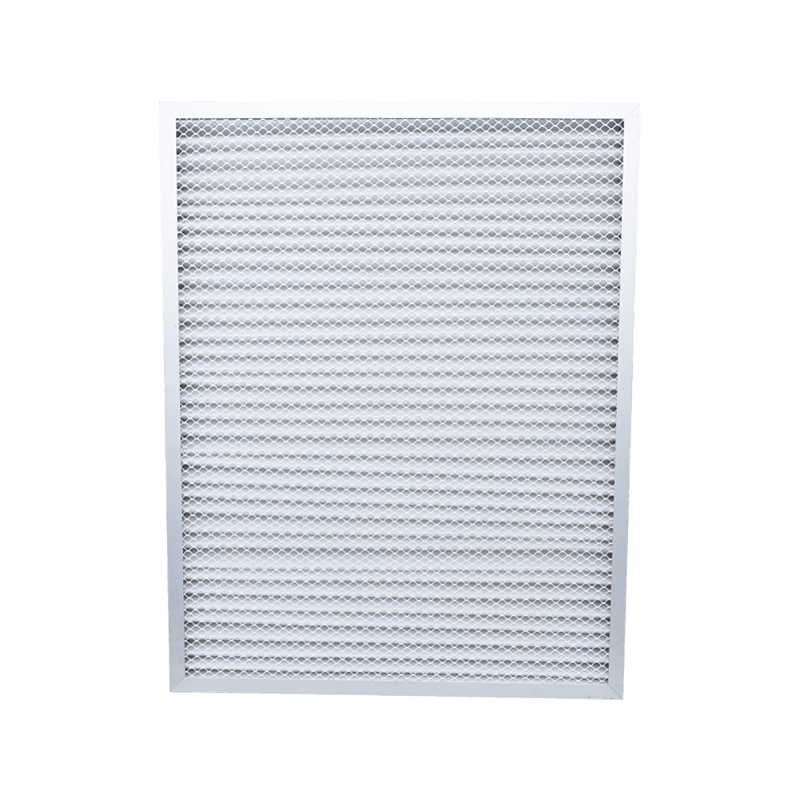
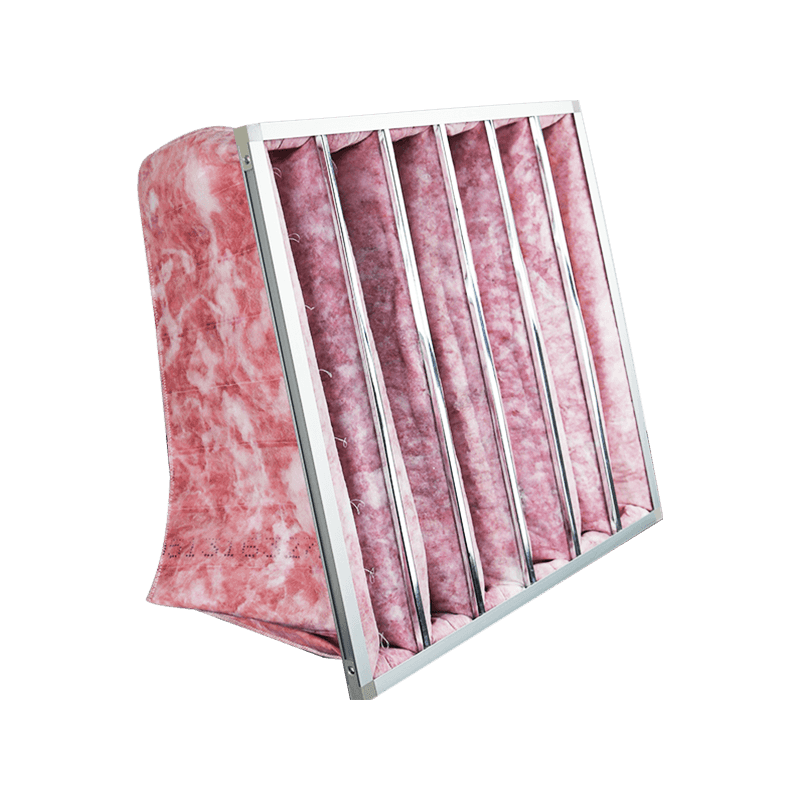
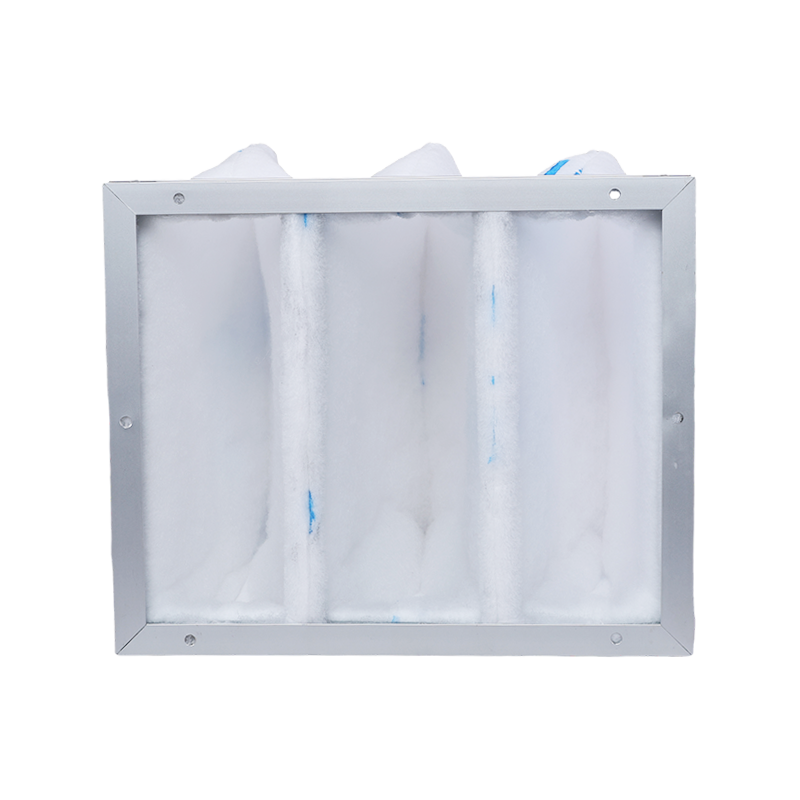
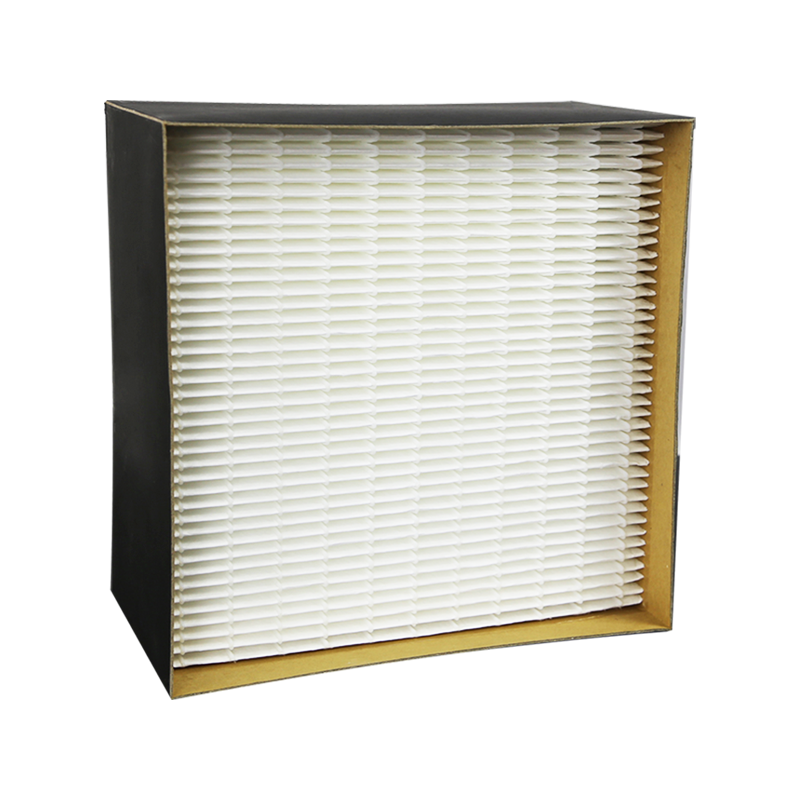
From solutions to productions, we’re specialized in making the products you need.
Home / News / Industry News / How effective are PM2.5 air filters in reducing air pollution exposure?
Content
PM2.5 air filters are designed to remove fine particulate matter with a diameter of 2.5 micrometers or smaller from indoor environments. These tiny particles are produced by vehicle emissions, industrial processes, combustion, and other pollution sources. Because of their small size, PM2.5 particles can penetrate deep into the lungs and even enter the bloodstream, posing significant health risks. Installing effective PM2.5 air filters is a crucial measure for reducing exposure and improving indoor air quality.
The effectiveness of these filters depends on the filter type, the quality of the air purification system, airflow, and maintenance frequency. Understanding how PM2.5 air filters work and their limitations helps consumers make informed choices and maximize protection against air pollution.
PM2.5 air filters utilize multiple mechanisms to capture fine particles, including:
High-efficiency particulate air (HEPA) filters are the most common choice for PM2.5 removal. True HEPA filters can capture up to 99.97% of particles as small as 0.3 micrometers, making them highly effective in indoor air purification systems.
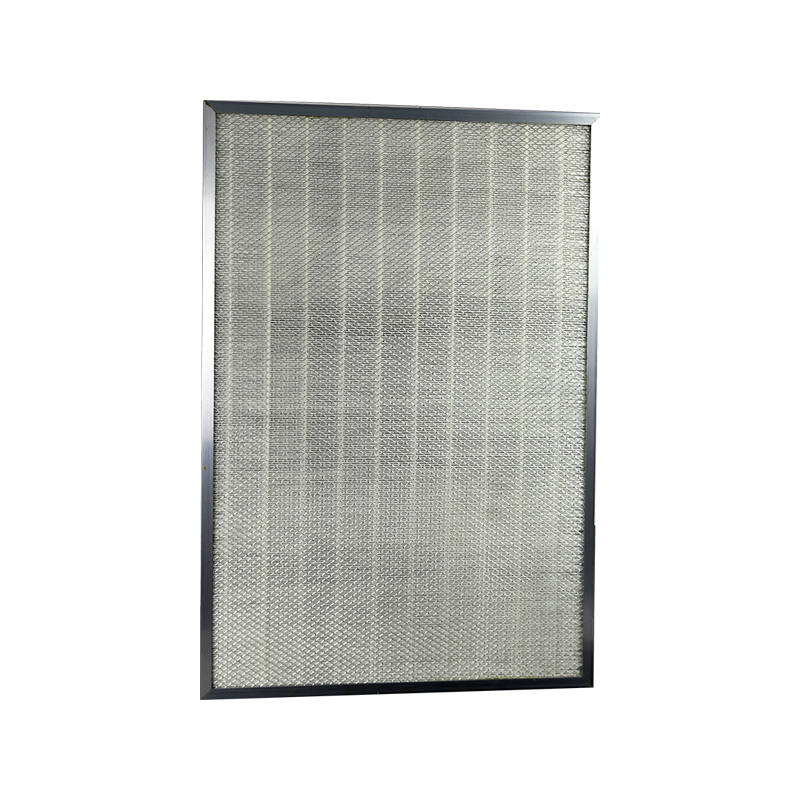
The CADR rating indicates the volume of clean air delivered by the air purifier per minute. A higher CADR means the filter can remove more PM2.5 particles in a shorter time, improving the overall indoor air quality. Consumers should select filters with a CADR suitable for their room size.
Filter efficiency is often expressed as a percentage of particles captured. HEPA filters typically offer 99.97% efficiency for PM2.5, while standard filters may range from 60% to 95%. The type of filter material and the construction of the unit significantly influence efficiency.
Laboratory ratings provide a baseline, but real-world effectiveness can vary due to factors such as:
Proper usage and maintenance are critical to ensure that PM2.5 filters perform near their rated efficiency in daily indoor environments.
Reducing PM2.5 exposure offers numerous health benefits, particularly for vulnerable groups such as children, the elderly, and individuals with respiratory conditions. Key benefits include:
True HEPA filters are highly effective in trapping fine particulate matter. They are widely used in standalone air purifiers, HVAC systems, and commercial filtration units. Their dense fibrous structure provides maximum filtration efficiency while maintaining reasonable airflow.
Electrostatic filters use charged fibers to attract PM2.5 particles. While slightly less efficient than HEPA filters, they offer lower airflow resistance and can be washable or reusable, making them a cost-effective option for some households.
These filters are primarily designed to capture gases, odors, and VOCs. When combined with HEPA or electrostatic filters, they provide a comprehensive solution for indoor air quality, reducing both particulate matter and chemical pollutants.
Maintaining PM2.5 air filters is essential for sustained performance. Recommended practices include:
While PM2.5 filters significantly reduce fine particle exposure, they have limitations:
PM2.5 air filters are highly effective tools for reducing indoor exposure to fine particulate matter, improving air quality, and promoting health. Choosing high-quality filters, understanding their mechanisms, ensuring proper maintenance, and selecting the right size for your space are critical for optimal performance. While they cannot completely eliminate all pollutants, PM2.5 air filters provide a practical and essential solution for healthier indoor environments.
Can TVOC Air Filters Effectively Remove Harmful VOCs from Indoor Air?
What’s the Difference Between HEPA Filters and PM2.5 Filters?














Copyright 2023 Nantong Henka Environment Solutions Co.,Ltd. All Rights Reserved
 HEPA Air Filters Manufacturers Customized HEPA Air Filters Factory
 Tel: +86-13813766750
 E-mail:
  Add: 5169, Bin'gang Ave, Binjiang Subdistrict, Haimen City, Jiangsu, China