


 English
 русский
 Español
 简体中文
简体中文
From solutions to productions, we’re specialized in making the products you need.
Industry News
Dec 22,2025
Can TVOC Air Filters Effectively Remove Harmful VOCs from Indoor Air?
Content
TVOC air filters are specialized filtration systems designed to capture total volatile organic compounds (TVOCs) in indoor environments. VOCs are chemicals released from paints, cleaning products, furniture, and building materials that can adversely affect health, causing respiratory issues, headaches, or long-term health risks. Understanding the function, efficiency, and selection criteria for TVOC air filters is essential for maintaining safe indoor air quality.
What Are TVOCs and Why They Matter
Total Volatile Organic Compounds (TVOCs) refer to a wide range of chemical compounds present in the air that easily evaporate at room temperature. Common sources include household paints, cleaning agents, varnishes, furniture, and electronics. Prolonged exposure to high TVOC levels can cause irritation of the eyes, nose, and throat, as well as more serious health concerns such as respiratory diseases or neurological effects. Reducing TVOC levels is therefore critical for indoor safety.
Health Impacts of TVOCs
- Short-term exposure can cause headaches, dizziness, nausea, and allergic reactions.
- Long-term exposure may contribute to respiratory diseases, liver or kidney damage, and central nervous system disorders.
- Sensitive populations, such as children, elderly, and individuals with pre-existing conditions, are more vulnerable to TVOC effects.
How TVOC Air Filters Work
TVOC air filters utilize various filtration technologies to remove VOCs from the indoor air. Unlike particulate filters that only trap dust or allergens, TVOC filters target gaseous pollutants using chemical adsorption, activated carbon, or advanced hybrid filter media.
Activated Carbon Filtration
Activated carbon is highly porous and has a large surface area that adsorbs VOC molecules. As air passes through the filter, VOCs bind to the carbon, effectively removing harmful compounds from circulation. This technology is highly effective for formaldehyde, benzene, and other common VOCs.
Chemical Adsorption Filters
Some filters use specific chemical compounds to react with VOCs, neutralizing them into less harmful substances. These filters can target specific pollutants more effectively than general activated carbon filters, depending on the chemicals used.
Hybrid TVOC Filters
Hybrid filters combine multiple technologies, such as HEPA, activated carbon, and chemical adsorption, to remove both particulate matter and VOCs. This ensures comprehensive air purification in spaces with diverse pollution sources.
Factors Affecting TVOC Filter Efficiency
The efficiency of a TVOC air filter depends on several key factors that users should consider when selecting or evaluating filters.
Airflow Rate
Higher airflow rates can process more air quickly but may reduce contact time with the filter media, lowering adsorption efficiency. Balancing airflow and filter effectiveness is essential.
Filter Media Quality
The type, thickness, and quality of activated carbon or chemical compounds directly influence the filter’s ability to remove VOCs. Premium-grade media often provide longer lifespan and higher adsorption rates.
Room Size and Air Changes
Larger rooms or spaces with higher pollutant generation require filters rated for higher volume or multiple air changes per hour to maintain low TVOC concentrations effectively.
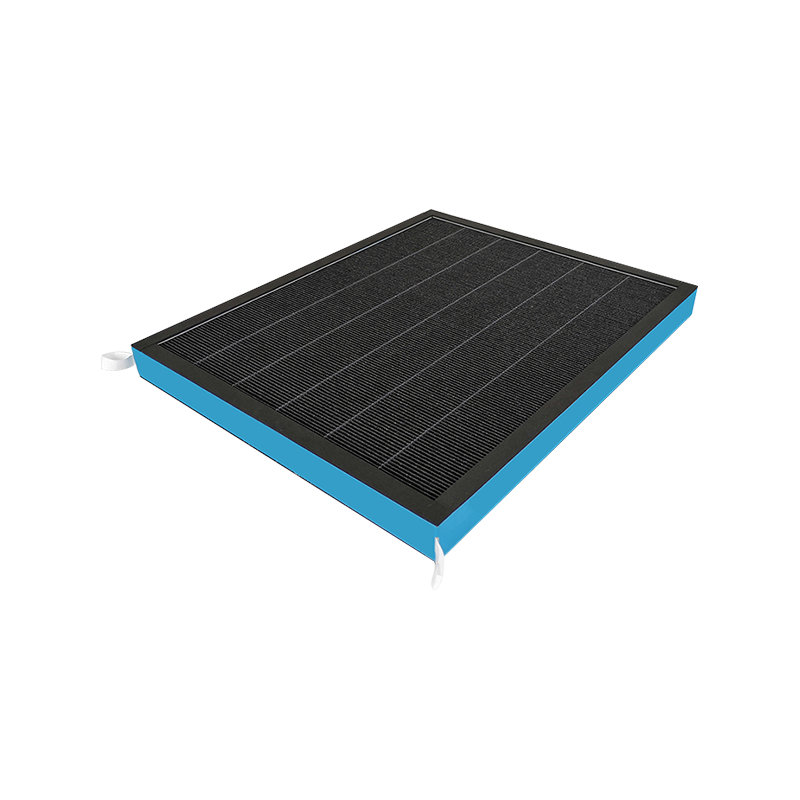
Choosing the Right TVOC Air Filter
Selecting an effective TVOC air filter involves evaluating several factors, including pollutant type, filter media, room size, and maintenance requirements.
Identify the Source of VOCs
Understanding whether VOCs come from paint, furniture, cleaning products, or electronics helps select a filter designed to target specific compounds for optimal removal.
Consider Filter Capacity and Replacement Frequency
Filters have a limited adsorption capacity. Choosing a filter with higher capacity or following a strict replacement schedule ensures continued VOC removal efficiency.
Check for Certifications
Look for filters certified by reputable standards such as CARB (California Air Resources Board) or AHAM (Association of Home Appliance Manufacturers), which guarantee VOC removal performance.
Maintenance Tips for TVOC Air Filters
Proper maintenance is crucial to ensure TVOC air filters remain effective over time. Neglecting filter care can reduce performance and indoor air quality.
Regular Replacement
Follow manufacturer guidelines for replacing the filter media. Activated carbon and chemical filters typically require replacement every 6 to 12 months, depending on usage and pollutant levels.
Monitor Air Quality
Use indoor air quality monitors to track VOC concentrations. Elevated readings indicate that the filter may need replacement or that additional filtration is required.
Maintain the Surrounding Environment
Reduce VOC sources by using low-emission paints, avoiding harsh chemicals indoors, and ventilating areas where VOCs are generated. This complements the filter’s performance.
Conclusion
TVOC air filters are effective tools for improving indoor air quality by removing harmful volatile organic compounds. Their efficiency depends on filter type, media quality, airflow, and proper maintenance. Selecting the right filter, following replacement schedules, and minimizing VOC sources ensures a healthier indoor environment, reducing health risks and enhancing overall comfort.
How Does a PCCHC Honeycomb Activated Carbon Filter Improve Air and Water Purification?
How effective are PM2.5 air filters in reducing air pollution exposure?
related products

 Tel: +86-13813766750
 E-mail:
  Add: 5169, Bin'gang Ave, Binjiang Subdistrict, Haimen City, Jiangsu, China
partners













Copyright 2023 Nantong Henka Environment Solutions Co.,Ltd. All Rights Reserved
 HEPA Air Filters Manufacturers Customized HEPA Air Filters Factory