


 English
 русский
 Español
 简体中文
简体中文
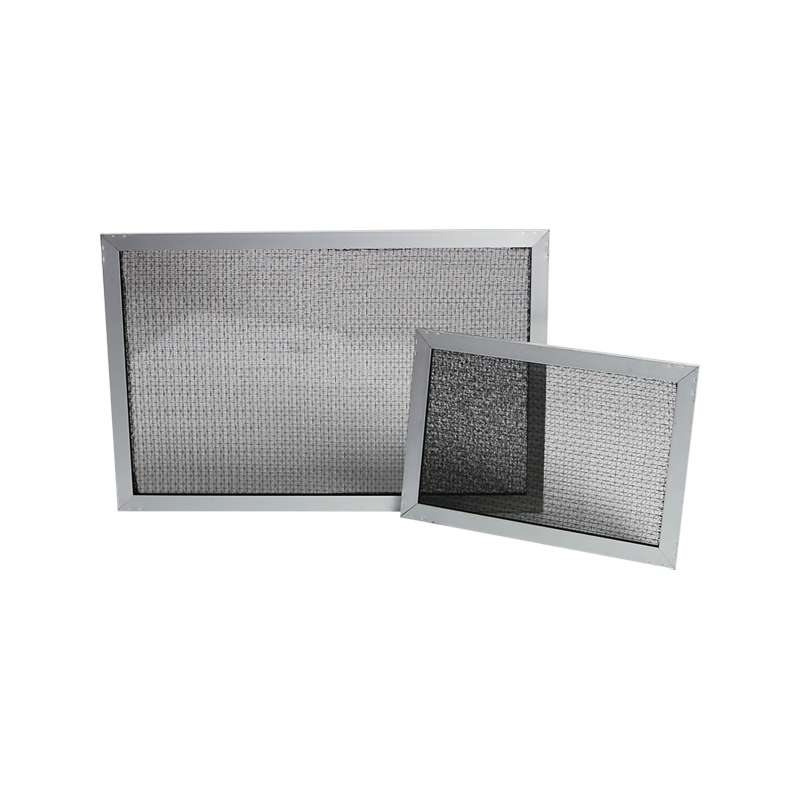
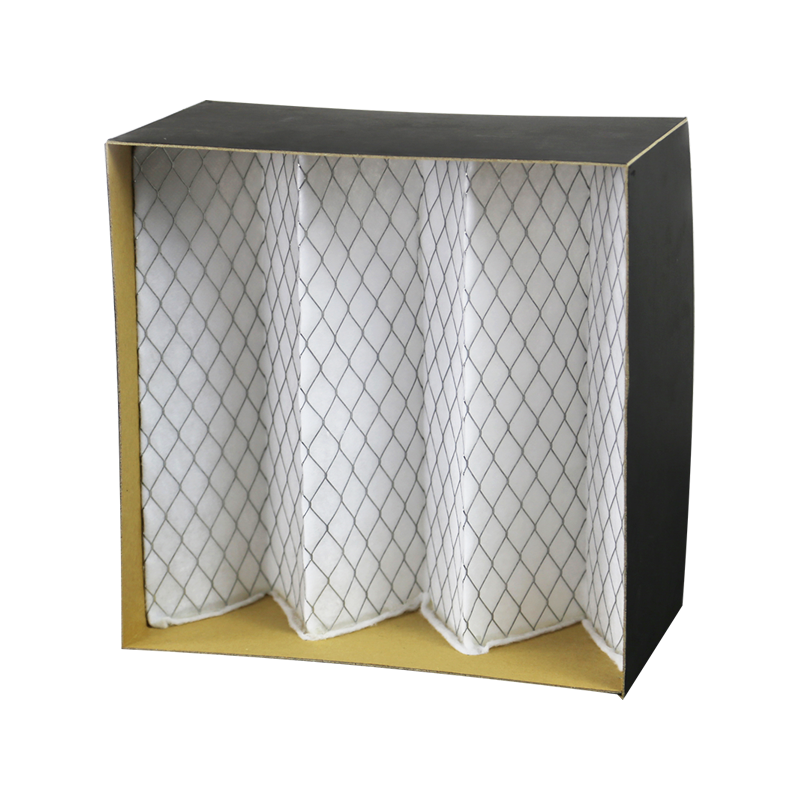
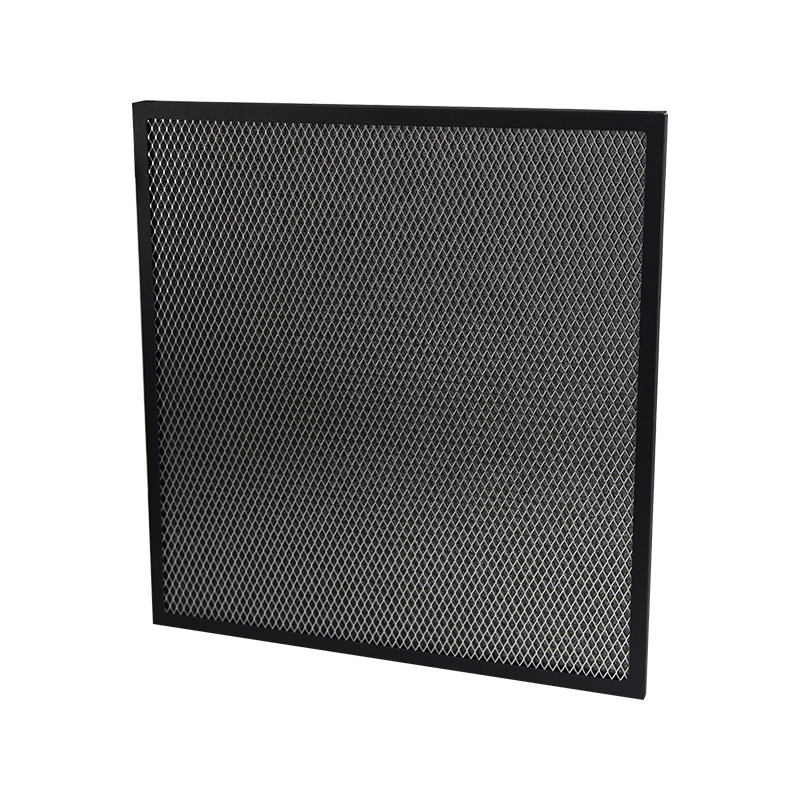
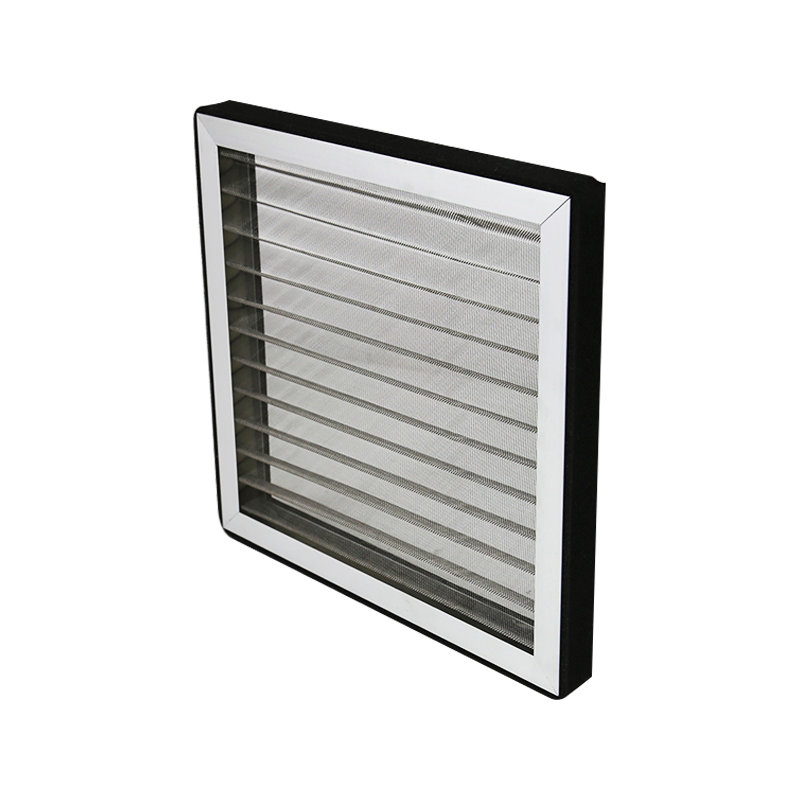
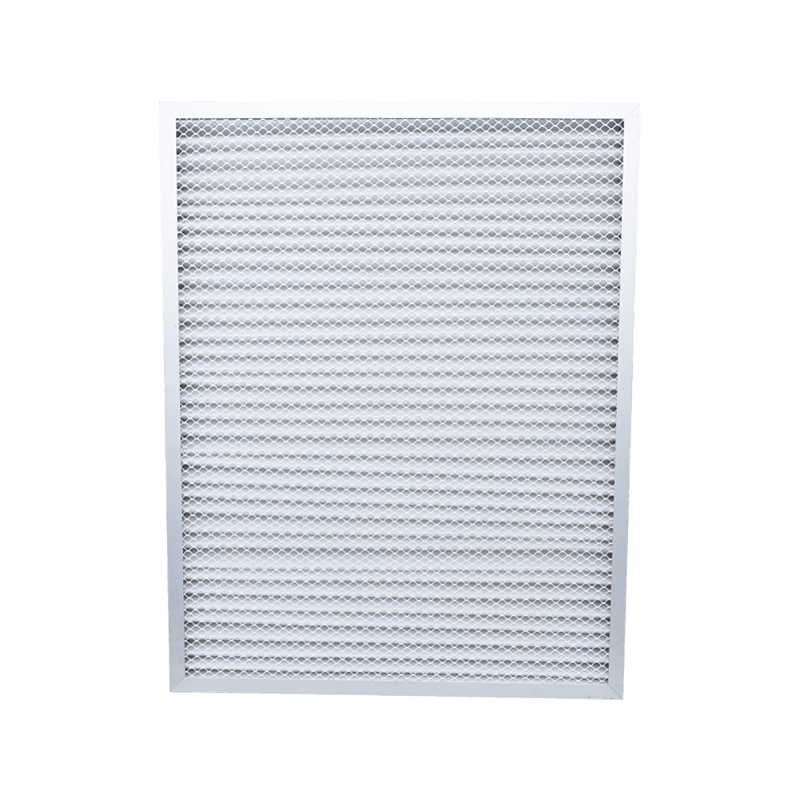
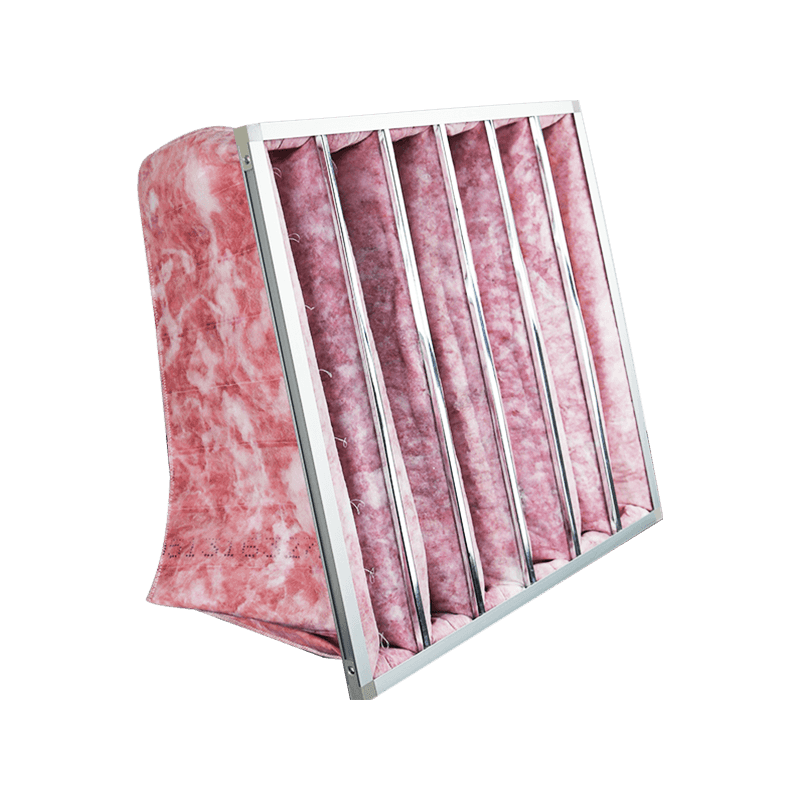
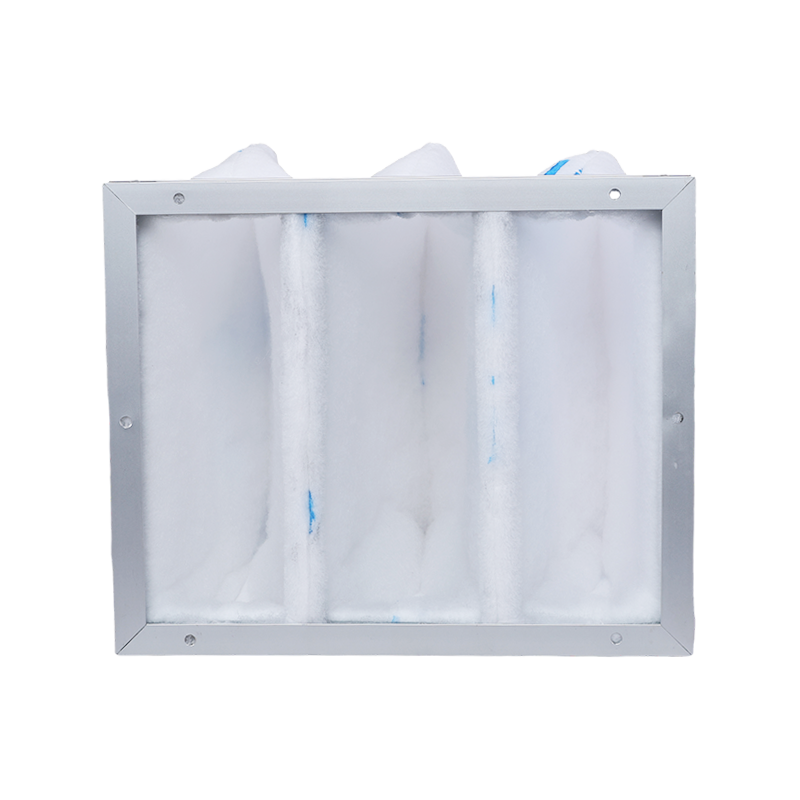
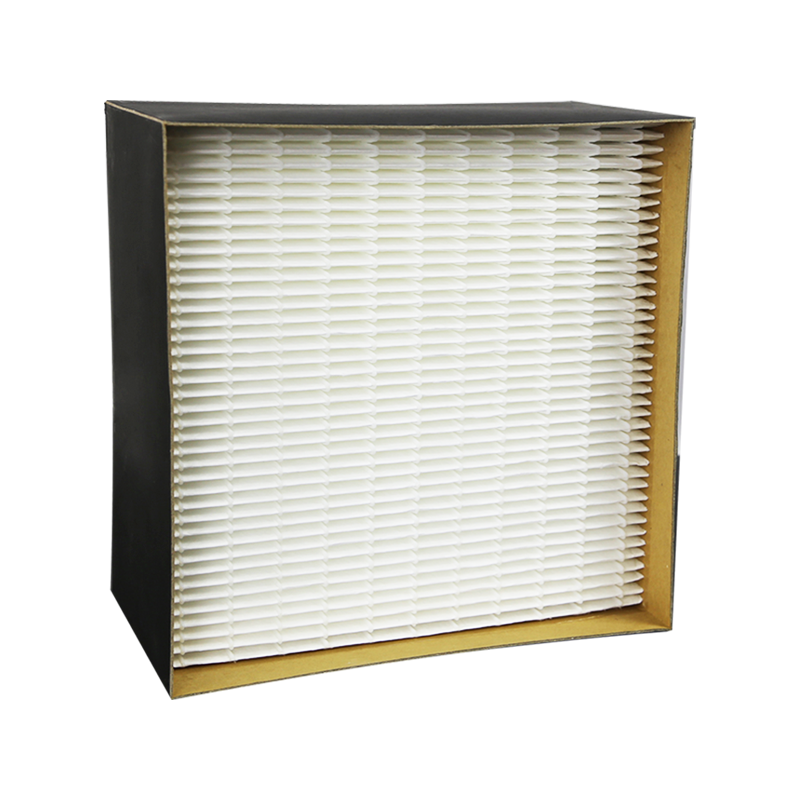
From solutions to productions, we’re specialized in making the products you need.
Home / News / Industry News / How Do Activated Carbon Air Filters Actually Remove Odors and Harmful Gases from Your Indoor Air?
Content
The term "activated" refers to a specific manufacturing process that transforms ordinary carbon — typically derived from coconut shells, coal, wood, or peat — into an extraordinarily porous material with a massive internal surface area. During activation, the carbon is exposed to high temperatures (between 600°C and 900°C) in the presence of steam or carbon dioxide, which burns away volatile compounds and creates millions of tiny pores throughout the carbon's internal structure. The result is a material whose internal surface area can reach 500 to 1,500 square meters per gram — meaning a single gram of activated carbon contains more usable surface area than a standard tennis court.
This extraordinary surface area is what gives activated carbon its exceptional ability to capture gaseous pollutants. When air passes through or across the carbon granules or impregnated carbon media, gas molecules are attracted to the carbon surface and held there through a process called adsorption — distinct from absorption, which involves a substance being drawn into another material. In adsorption, molecules adhere to the surface of the carbon via weak van der Waals forces, effectively removing them from the airstream without chemical reaction. This makes activated carbon uniquely effective against a class of pollutants — gases and vapors — that standard particulate filters like HEPA cannot capture at all.
Understanding the specific capabilities and limitations of activated carbon filtration is essential for setting realistic expectations and ensuring you are using the right filtration technology for your particular air quality problem. Activated carbon is highly effective against certain pollutant categories and largely ineffective against others.
Activated carbon air filters are manufactured in several different physical formats, each suited to different applications, airflow requirements, and levels of filtration intensity. Knowing the differences helps you select the right type for your air purifier, HVAC system, or industrial application.
| Filter Type | Carbon Amount | Best Application | Service Life |
| Carbon-coated foam/fabric | Very low (grams) | Light odor pre-filter | 1–3 months |
| Granular activated carbon (GAC) bed | High (100g–2kg+) | Serious VOC and odor removal | 6–24 months |
| Carbon honeycomb block | Medium–High | HVAC systems, low pressure drop | 6–18 months |
| Impregnated carbon filter | Medium | Specific chemicals (H2S, NH3, ozone) | 3–12 months |
| Pleated carbon media filter | Low–Medium | Combined particle and light odor removal | 3–6 months |
The weight of activated carbon in the filter is the single most important indicator of its gas-phase filtration capacity. A filter containing only 10–20 grams of carbon sprayed onto a foam backing will saturate within weeks in a polluted environment. A deep-bed granular activated carbon filter containing 500 grams or more provides substantially greater adsorption capacity and a correspondingly longer service life before replacement is needed. When comparing air purifiers or filter systems, always look for the stated carbon weight rather than relying on filter size or marketing claims alone.
While activated carbon filtration benefits virtually any indoor environment, there are specific situations and settings where its use is not just helpful but genuinely important for health and comfort. Identifying these high-priority use cases helps justify the investment in quality carbon filtration and ensures it is deployed where it will have the greatest impact.
With a wide range of products on the market — from budget air purifiers with thin carbon pads to industrial-grade deep-bed carbon systems — making an informed selection requires evaluating several concrete criteria rather than relying on brand claims or star ratings alone.
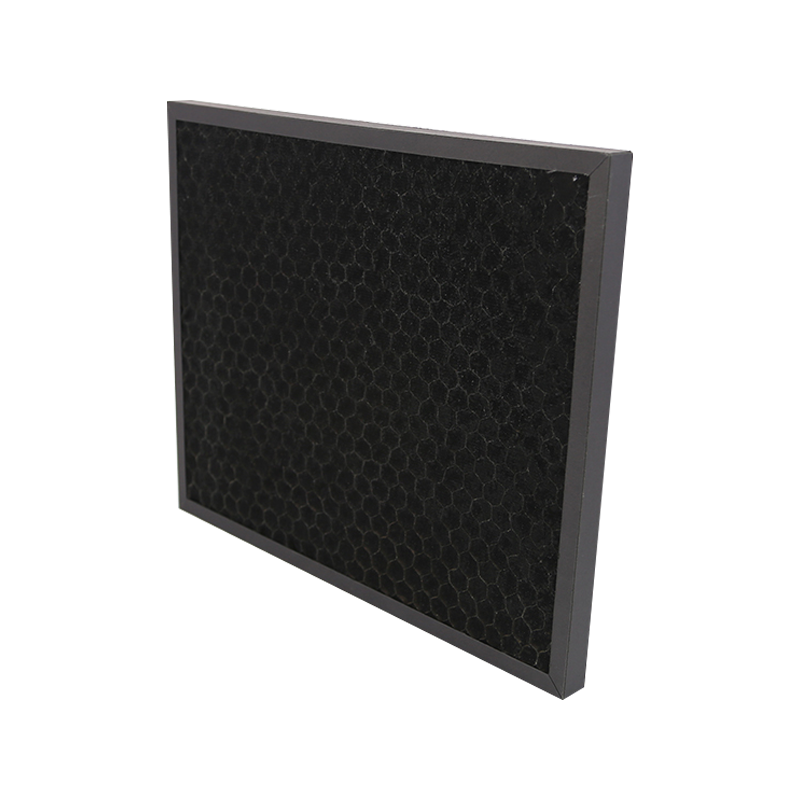
As noted above, carbon weight is the most reliable indicator of adsorption capacity. For a bedroom or small office up to 20 square meters, a filter with at least 150–200 grams of activated carbon provides meaningful VOC and odor reduction. For larger living spaces, open-plan areas, or rooms with identified high pollution sources, look for filters containing 400 grams or more. Standalone granular carbon bed filters — where the air passes through a thick layer of loose or pelletized carbon rather than a thin sheet — consistently outperform thin carbon-impregnated media on a gram-for-gram basis because the air has longer contact time with the adsorptive surface.
Standard activated carbon is excellent for organic vapors but has limited effectiveness against certain inorganic gases such as hydrogen sulfide, ammonia, and nitrogen dioxide. For these specific pollutants — common in homes with sewage odor problems, heavy pet presence, or near agricultural areas — look for chemically impregnated activated carbon. Potassium iodide impregnation improves mercury and ozone capture; potassium permanganate impregnation enhances formaldehyde and hydrogen sulfide removal; and phosphoric acid impregnation targets ammonia. The product specification should clearly state the impregnant used and the target pollutants it addresses.
A carbon filter is only effective if enough air passes through it at an adequate rate. Check the Clean Air Delivery Rate (CADR) for gases if listed — many manufacturers only publish particulate CADR values, which are not relevant for carbon performance. Alternatively, look for the manufacturer's stated coverage area and ensure the unit provides at least 4–5 air changes per hour in your room size for effective gas-phase pollutant reduction. Running an undersized unit in a large space means the air spends too little time in contact with the carbon to achieve meaningful pollutant reduction.
Unlike HEPA filters, which visibly collect particulate matter and show obvious signs of loading over time, activated carbon filters give little visual indication of saturation. The carbon granules look the same whether they are fresh or completely exhausted. This makes following a proactive replacement schedule more important than waiting for noticeable performance decline.
The most reliable indicator of carbon filter exhaustion is the return of odors or chemical smells that were previously controlled by the filter. If you begin to notice cooking odors, pet smells, or the chemical smell of cleaning products persisting in a room despite the air purifier running, the carbon filter has reached saturation and needs replacement. In high-pollution environments — homes undergoing renovation, heavy smoker households, or spaces with significant chemical storage — this point may be reached in as little as three months. In clean, low-odor environments, a quality high-capacity carbon filter may last 12–18 months before exhaustion.
Some manufacturers recommend washing or vacuuming carbon filters to extend their life. While this can remove accumulated dust from the filter's outer surface, it does nothing to restore adsorption capacity — once the carbon pores are filled with captured molecules, they cannot be cleared by simple washing at home. True carbon regeneration requires heating to over 800°C in a controlled atmosphere, which is only practical in industrial reactivation facilities. For home users, timely filter replacement is the only effective maintenance strategy, and budgeting for regular replacement should be factored into the total cost of ownership when purchasing any activated carbon air filtration system.
Are You Using the Right Vacuum Air Filter — and Is It Clean Enough to Actually Protect Your Home?
Can You Really Clean a HEPA Filter Instead of Replacing It?











Copyright 2023 Nantong Henka Environment Solutions Co.,Ltd. All Rights Reserved
 HEPA Air Filters Manufacturers Customized HEPA Air Filters Factory
 Tel: +86-13813766750
 E-mail:
  Add: 5169, Bin'gang Ave, Binjiang Subdistrict, Haimen City, Jiangsu, China