


 English
 русский
 Español
 简体中文
简体中文
From solutions to productions, we’re specialized in making the products you need.
Industry News
May 12,2026
Can You Really Clean a HEPA Filter Instead of Replacing It?
Content
- 1 What Is a HEPA Filter and How Does It Work?
- 2 Can You Clean a HEPA Filter Instead of Replacing It?
- 3 Safe Methods to Clean a HEPA Filter
- 4 Cleaning vs. Replacing: A Side-by-Side Comparison
- 5 Signs That Cleaning Is No Longer Enough
- 6 How to Extend the Life of Your HEPA Filter
- 7 The Bottom Line on Cleaning HEPA Filters
What Is a HEPA Filter and How Does It Work?
HEPA stands for High-Efficiency Particulate Air. A true HEPA filter is engineered to capture at least 99.97% of airborne particles that are 0.3 microns in diameter or larger — this includes dust, pollen, pet dander, mold spores, and even some bacteria. The filter achieves this through a dense mat of randomly arranged fibers, typically made from fiberglass, that trap particles through a combination of interception, impaction, and diffusion. Because of this intricate fiber structure, the way you maintain a HEPA filter is critically different from other filter types.
Understanding the internal mechanics of a HEPA filter helps explain why cleaning it is complicated. Unlike foam or mesh pre-filters, the fiberglass fibers inside a HEPA filter are extremely delicate. Physical damage — even from gentle handling — can create microscopic gaps that allow harmful particles to pass straight through, defeating the filter's entire purpose.
Can You Clean a HEPA Filter Instead of Replacing It?
The short answer is: it depends entirely on the type of HEPA filter you have. There are two main categories — washable (or permanent) HEPA filters and non-washable (true or standard) HEPA filters. Attempting to wash or aggressively clean a non-washable HEPA filter will almost certainly degrade its performance, even if it still looks intact afterward. Always check your appliance's manual or the filter label before attempting any cleaning method.
Washable HEPA Filters
Some manufacturers produce HEPA-style filters explicitly designed to be rinsed with water and reused. These are often labeled "washable," "permanent," or "reusable." While convenient and more eco-friendly, it is worth noting that washable HEPA filters often do not meet the strict 99.97% efficiency standard of a true HEPA filter. They are suitable for households without severe allergies or respiratory conditions, but those with asthma or chemical sensitivities should be cautious.
Non-Washable True HEPA Filters
True HEPA filters made from fiberglass should never be washed with water. The moisture causes the fibers to clump, shift, or break down, creating gaps in the filtration media. Even after drying completely, the filter will no longer perform at its rated efficiency. These filters can only be lightly dry-cleaned using specific techniques, and eventually must be replaced.
Safe Methods to Clean a HEPA Filter
If your filter is not explicitly washable, there are still cautious steps you can take to extend its useful life without fully replacing it. None of these methods will restore a heavily clogged filter to like-new condition, but they can help maintain airflow and performance between replacements.
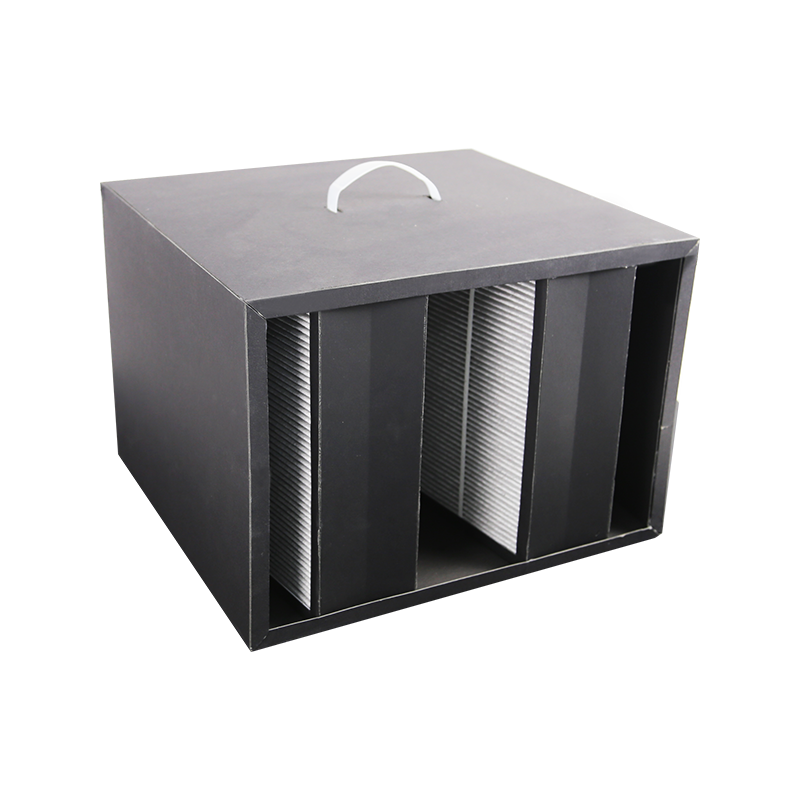
Dry Tapping Method
Remove the filter from the appliance and take it outdoors. Gently tap the filter frame against a hard surface to dislodge loose dust and debris from the pleats. Do not tap the filter media itself — only the rigid outer frame. This method can remove surface-level buildup without stressing the fibers. Always wear a dust mask when doing this, as trapped particles will become airborne.
Low-Pressure Vacuuming
Using a vacuum cleaner with a soft brush attachment, carefully vacuum the outer surface of the HEPA filter on its lowest suction setting. Work slowly along the pleats without pressing the brush directly into the filter media. This approach is particularly effective for removing pet hair, large dust clumps, and debris that sits on the surface. Avoid using high suction, which can pull fibers loose or collapse the pleat structure.
Rinsing Washable Filters
If your filter is confirmed washable, rinse it under cold or lukewarm running water. Never use hot water, soap, or detergent unless the manufacturer explicitly recommends it — these can degrade the filter material. Rinse from the clean side outward to push debris back the way it came in. After rinsing, shake off excess water and allow the filter to air-dry completely — typically 24 to 48 hours — before reinstalling. Installing a damp filter can promote mold growth inside your appliance.
Cleaning vs. Replacing: A Side-by-Side Comparison
To help you decide the right course of action, here is a comparison of what cleaning versus replacing a HEPA filter typically means for performance and cost:
| Factor | Cleaning | Replacing |
| Filtration Efficiency | Partially restored | Fully restored |
| Cost | Low or free | $15–$80+ depending on model |
| Risk of Damage | Moderate to high | None |
| Suitable for Allergy Sufferers | Not recommended | Yes |
| Environmental Impact | Lower waste | Generates filter waste |
| Long-Term Effectiveness | Diminishes over time | Consistent performance |
Signs That Cleaning Is No Longer Enough
Even with careful maintenance, there comes a point when cleaning a HEPA filter is simply no longer sufficient. Knowing when to stop cleaning and commit to a replacement can protect both your appliance and your indoor air quality. Watch for these warning signs:
- The filter has visible holes, tears, or creases in the filter media — structural damage that cannot be reversed.
- Persistent musty or unpleasant odors coming from the appliance even after cleaning, which may indicate mold growth within the filter fibers.
- Noticeably reduced airflow or suction power that does not improve after cleaning — a sign the filter is deeply clogged beyond surface-level debris.
- The filter appears permanently discolored or gray even after a thorough rinse, indicating embedded particulate matter.
- You or household members are experiencing increased allergy symptoms or respiratory irritation despite running the air purifier or vacuum regularly.
- The filter has exceeded the manufacturer's recommended lifespan, typically 6 to 12 months for non-washable types and 2 to 3 years for washable models.
How to Extend the Life of Your HEPA Filter
Whether you ultimately choose to clean or replace, there are practical steps you can take to maximize how long your HEPA filter stays effective in the first place. Prevention is always more efficient than restoration.
Use a Pre-Filter
Most quality air purifiers and vacuums include a foam or mesh pre-filter that catches larger particles before they reach the HEPA layer. Always keep this pre-filter clean — washing or replacing it regularly dramatically reduces the burden on the HEPA filter beneath it and extends its overall lifespan.
Run the Appliance on Appropriate Settings
Running an air purifier on maximum speed 24/7 forces more air — and more particles — through the HEPA filter at a faster rate. Using auto or medium settings during periods of lower air pollution gives the filter a rest and slows the accumulation of particulate matter.
Reduce Indoor Pollutant Sources
The fewer particles your filter needs to capture, the longer it will last. Simple habits like vacuuming floors regularly, grooming pets outdoors, avoiding indoor smoking, and using exhaust fans when cooking can all reduce the particle load your HEPA filter encounters daily.
Inspect the Filter Regularly
Make a habit of visually inspecting your HEPA filter every one to three months. Catching early buildup allows you to perform light maintenance before the filter becomes too clogged to clean effectively. Many modern air purifiers also include filter replacement indicator lights — do not ignore these reminders.
The Bottom Line on Cleaning HEPA Filters
Cleaning a HEPA filter instead of replacing it is possible under the right circumstances — specifically when the filter is designed to be washable and shows no physical damage. For standard true HEPA filters, limited dry-cleaning methods can temporarily restore some airflow, but they will never bring the filter back to its original efficiency rating. If you or your family depend on clean air for health reasons, replacement is always the more reliable choice. Think of it this way: the cost of a new filter is minimal compared to the cost of breathing degraded air over weeks or months. Maintain your filter diligently, know its limits, and replace it without hesitation when the time comes.
How Do Activated Carbon Air Filters Actually Remove Odors and Harmful Gases from Your Indoor Air?
How Can You Build a Box HEPA Filter That Effectively Cleans Indoor Air of Smoke?
related products

 Tel: +86-13813766750
 E-mail:
  Add: 5169, Bin'gang Ave, Binjiang Subdistrict, Haimen City, Jiangsu, China
partners












Copyright 2023 Nantong Henka Environment Solutions Co.,Ltd. All Rights Reserved
 HEPA Air Filters Manufacturers Customized HEPA Air Filters Factory