


 English
 русский
 Español
 简体中文
简体中文
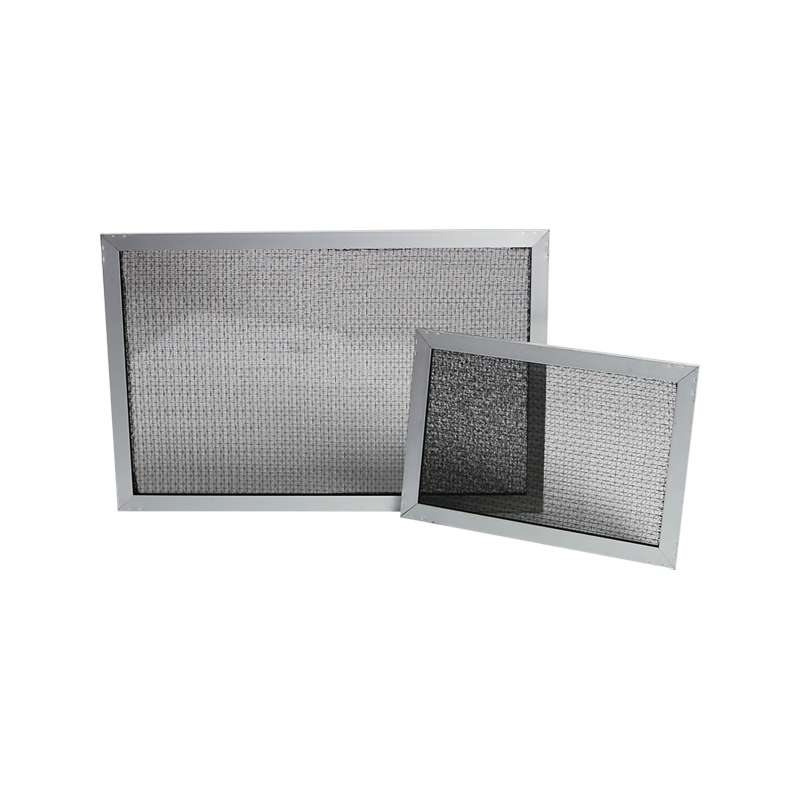
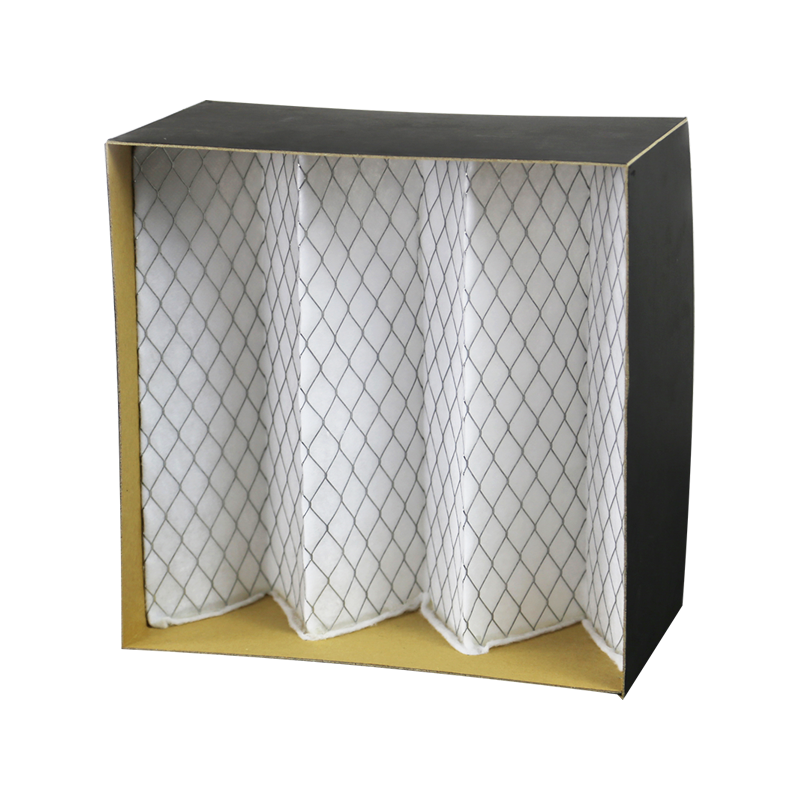
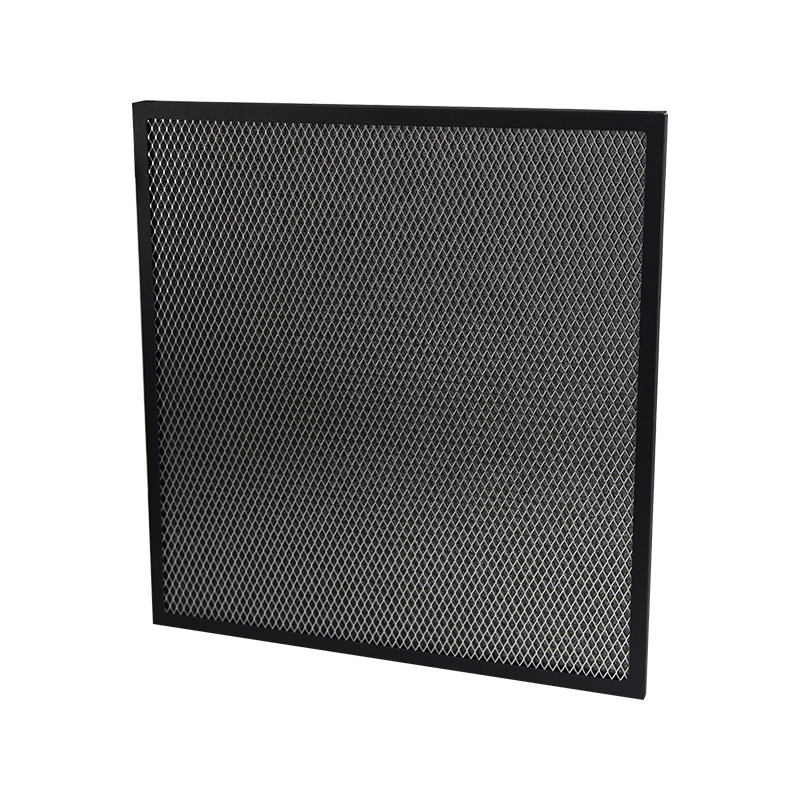
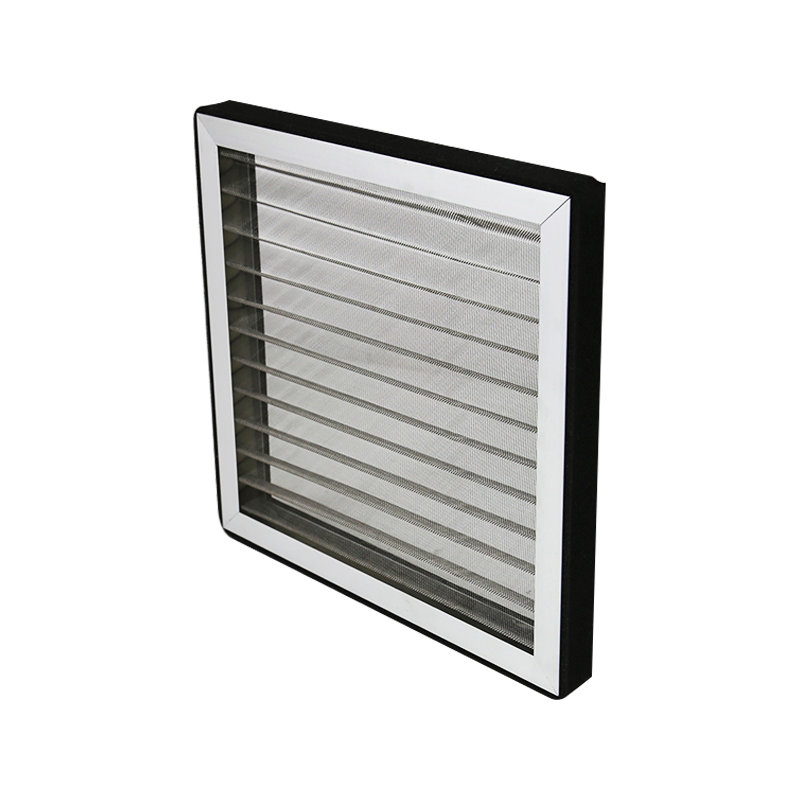
From solutions to productions, we’re specialized in making the products you need.
Home / News / Industry News / Are You Getting the Most Out of Your HEPA Filter — Or Just Thinking You Are?
Content
Few air filtration terms are as widely recognized — or as frequently misunderstood — as HEPA. Walk into any appliance store and you will find air purifiers, vacuum cleaners, and HVAC systems all claiming HEPA-level performance, often at dramatically different price points and with substantially different actual filtration capabilities. Some products use genuine certified HEPA media that captures 99.97% of airborne particles at 0.3 microns. Others use "HEPA-type" or "HEPA-style" filters that may capture far less, with no independent verification. For anyone managing indoor air quality — whether for allergy relief, asthma management, post-renovation cleanup, or simply healthier living — understanding how HEPA filters actually work, what the certification standards mean, and how to use and maintain them effectively is the difference between genuine protection and expensive false reassurance.
HEPA stands for High Efficiency Particulate Air, and the technology behind it is considerably more sophisticated than the simple mesh-and-strainer concept most people imagine. A HEPA filter is not a fine sieve that blocks particles larger than its pore size and passes everything smaller. It is a dense mat of randomly arranged glass fibers — typically 0.5 to 2 microns in diameter — through which air is forced, and it captures particles through four distinct physical mechanisms that operate across different particle size ranges.
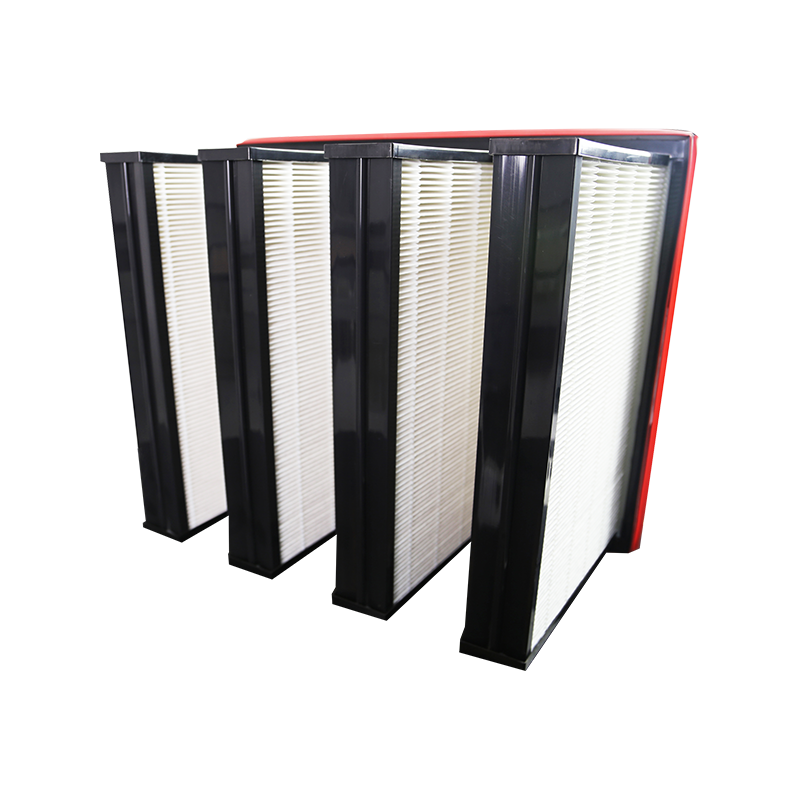
The four capture mechanisms are:
The most penetrating particle size — where the combination of these mechanisms produces the lowest overall capture efficiency — is approximately 0.3 microns. This is why 0.3 microns is used as the test particle size for HEPA certification: if a filter captures 99.97% of particles at this most-penetrating size, it captures an even higher percentage of both larger and smaller particles. This insight is critical: a HEPA filter is actually more effective at capturing ultrafine nanoparticles below 0.1 micron than it is at capturing 0.3-micron particles.
HEPA certification is governed by different standards in different regions, and the classification systems use different nomenclature — a source of significant consumer confusion when comparing products across international markets.
In the United States, the Department of Energy (DOE) standard defines true HEPA as a filter that removes at least 99.97% of particles at 0.3 microns. The European standard EN 1822 uses a more granular classification system:
| Filter Class | Overall Efficiency | Local Efficiency (Most Penetrating Particle) | Typical Application |
| E10 | ≥85% | Not specified | Pre-filtration, general HVAC |
| E11 | ≥95% | Not specified | Commercial HVAC pre-filtration |
| E12 | ≥99.5% | Not specified | Industrial filtration |
| H13 | ≥99.95% | ≥99.75% | Air purifiers, medical grade |
| H14 | ≥99.995% | ≥99.75% | Cleanrooms, pharmaceutical |
| U15–U17 | ≥99.9995%+ | ≥99.9975%+ | Semiconductor manufacturing, biosafety labs |
For residential air purifiers, H13 is the benchmark to seek for genuine high-performance filtration. Many consumer products marketed as "true HEPA" meet the US DOE standard (99.97% at 0.3 microns) which is broadly equivalent to H13 in practice. Products labeled "HEPA-type," "HEPA-like," or "99% HEPA" have not been certified to any recognized standard and may perform substantially below true HEPA specifications — in some independent tests, capturing as little as 85 to 92% of 0.3-micron particles.
Understanding the actual scope of HEPA filtration — both its capabilities and its limitations — is essential for setting realistic expectations and selecting complementary filtration technologies where HEPA alone is insufficient.
HEPA filters are highly effective against particulate matter across a wide size range. Dust mite allergens (typically 1 to 20 microns), pet dander (2 to 10 microns), pollen (10 to 100 microns), mold spores (1 to 20 microns), and fine particulate matter (PM2.5, particles below 2.5 microns) are all captured with very high efficiency by a properly specified HEPA filter. Bacteria, which range from 0.3 to 10 microns, are also captured effectively. Airborne virus particles attached to respiratory droplets or dust particles — which is how most respiratory viruses are transmitted indoors — are similarly captured, making HEPA filtration a meaningful component of infection control in healthcare and public settings.
HEPA filtration has no effect on gaseous pollutants. Volatile organic compounds (VOCs) from paints, furniture off-gassing, cleaning products, and cooking; nitrogen dioxide and carbon monoxide from combustion; formaldehyde from building materials; and odors from pets, cooking, and tobacco smoke all pass through HEPA media completely unchanged. Capturing these requires activated carbon (charcoal) filtration, which works through adsorption — gas molecules bond to the vast internal surface area of the carbon granules. Quality air purifiers addressing a comprehensive range of indoor air quality concerns combine a true HEPA filter with a substantial activated carbon layer — not merely a thin carbon-impregnated pre-filter that provides minimal VOC adsorption capacity.
The right HEPA filter specification depends heavily on the application context — residential air purification, vacuum cleaning, HVAC systems, and industrial applications each impose different requirements on filter design, airflow resistance, capacity, and service life.
When selecting a standalone air purifier with a HEPA filter, the most important specification beyond filter certification class is the Clean Air Delivery Rate (CADR) — a measurement published by the Association of Home Appliance Manufacturers (AHAM) that quantifies the volume of clean air an air purifier delivers per minute for three particle types: dust, pollen, and tobacco smoke. A higher CADR means the unit cleans room air more rapidly. The general guideline is to select a unit with a CADR at least two-thirds of the room's square footage — so a 300 square foot room requires a CADR of at least 200 for adequate air changes per hour. The filter area inside the unit also matters: a larger pleated HEPA element presents more filtration surface to airflow, reducing resistance and extending service life compared to a small, compact filter running at the same airflow rate.
In vacuum cleaners, a HEPA filter is only as effective as the machine's overall sealing. A vacuum with a genuine HEPA filter but poor body sealing will leak unfiltered air — carrying fine particles back into the room — through gaps in the housing, hose connections, and accessory ports. Look for vacuums certified as "sealed system HEPA" or "whole-machine HEPA filtration," which means the entire airflow path from intake to exhaust is sealed and all exhaust air passes through the HEPA media. This distinction is particularly important for allergy and asthma sufferers, where a standard vacuum without full sealing can actually worsen air quality by resuspending fine allergen particles that it fails to retain.
Integrating true HEPA filtration into a residential HVAC system is significantly more complex than installing a standalone air purifier. Genuine HEPA filters have substantially higher airflow resistance than standard HVAC filters — typically 10 to 20 times higher — which most residential HVAC blowers cannot overcome without significant airflow reduction, leading to heat exchanger freezing, inadequate heating and cooling distribution, and accelerated blower motor wear. True HEPA in HVAC applications generally requires a dedicated bypass filtration unit with its own fan, or a system specifically engineered for high-pressure-drop filtration. For standard residential HVAC, MERV 13 rated filters — which capture approximately 85% of 0.3 to 1 micron particles — represent the practical ceiling of what most systems can accommodate without airflow compromise.
Improper maintenance is the most common reason HEPA filters underperform their rated specifications in real-world use. Both neglecting replacement and washing filters that are not designed for washing can severely compromise filtration efficiency.
Several persistent misconceptions about HEPA filters lead consumers to make purchasing or usage decisions that undermine the protection they are trying to achieve. Addressing these directly helps build a more accurate mental model of what the technology can deliver.
The first misconception is that a higher MERV rating and HEPA are equivalent. They are not. MERV (Minimum Efficiency Reporting Value) is a scale used for standard HVAC filters, where MERV 16 is the highest rating — approximately equivalent to 95% efficiency at 0.3 microns. True HEPA at 99.97% efficiency is substantially more capable than the highest MERV-rated standard filter, and the two rating systems are not directly comparable because they use different test methodologies.
The second misconception is that running a HEPA air purifier eliminates the need for regular cleaning. HEPA filtration captures airborne particles — it has no effect on particles that have already settled onto surfaces as dust. Regular damp dusting and vacuuming with a sealed-system HEPA vacuum remain essential components of allergen reduction, working in combination with air purification rather than being replaced by it.
The third misconception is that a HEPA filter running continuously will keep a room's air completely clean. HEPA filtration efficiency depends on how many times per hour the room air passes through the filter — typically expressed as Air Changes per Hour (ACH). Most health authorities recommend a minimum of 4 to 6 ACH for meaningful allergen and particulate reduction. An undersized purifier running continuously in a large room may only achieve 1 to 2 ACH, providing significantly less protection than a properly sized unit even if both use identical HEPA media. Matching purifier capacity to room size is as important as filter quality in achieving real-world indoor air quality improvements.
How Can You Build a Box HEPA Filter That Effectively Cleans Indoor Air of Smoke?
What Do HEPA Filters Actually Capture and How Do They Work?













Copyright 2023 Nantong Henka Environment Solutions Co.,Ltd. All Rights Reserved
 HEPA Air Filters Manufacturers Customized HEPA Air Filters Factory
 Tel: +86-13813766750
 E-mail:
  Add: 5169, Bin'gang Ave, Binjiang Subdistrict, Haimen City, Jiangsu, China