


 English
 русский
 Español
 简体中文
简体中文
From solutions to productions, we’re specialized in making the products you need.
Home / News / Industry News / Can High-Efficiency HVAC Filters Improve Indoor Air Quality Significantly?
Content
HVAC filters, including furnace filters, are essential components in heating, ventilation, and air conditioning systems. Their primary function is to trap airborne particles, dust, allergens, and pollutants, thereby improving indoor air quality (IAQ). High-efficiency HVAC filters have gained significant attention because they can capture smaller particles, including fine dust, pollen, pet dander, and even some bacteria and viruses, providing a cleaner and healthier indoor environment. This article explores the science behind high-efficiency filters, their types, benefits, and practical tips for selecting and maintaining them.
High-efficiency HVAC filters are designed to capture a higher percentage of airborne particles than standard filters. Efficiency is often measured using the Minimum Efficiency Reporting Value (MERV) rating system, which rates filters on a scale from 1 to 20. The higher the MERV rating, the more effective the filter is at trapping smaller particles. Furnace filters, commonly installed in residential systems, typically range from MERV 6 to MERV 13, while commercial and specialized filters can reach MERV 16 or higher.
The MERV rating indicates the size of particles a filter can capture effectively. For instance, a MERV 8 filter can trap large dust particles and pollen, while a MERV 13 filter can capture bacteria, smoke, and fine dust. Selecting the appropriate MERV rating balances particle capture efficiency with airflow requirements, as extremely high MERV filters may reduce airflow if the HVAC system is not designed to accommodate them.
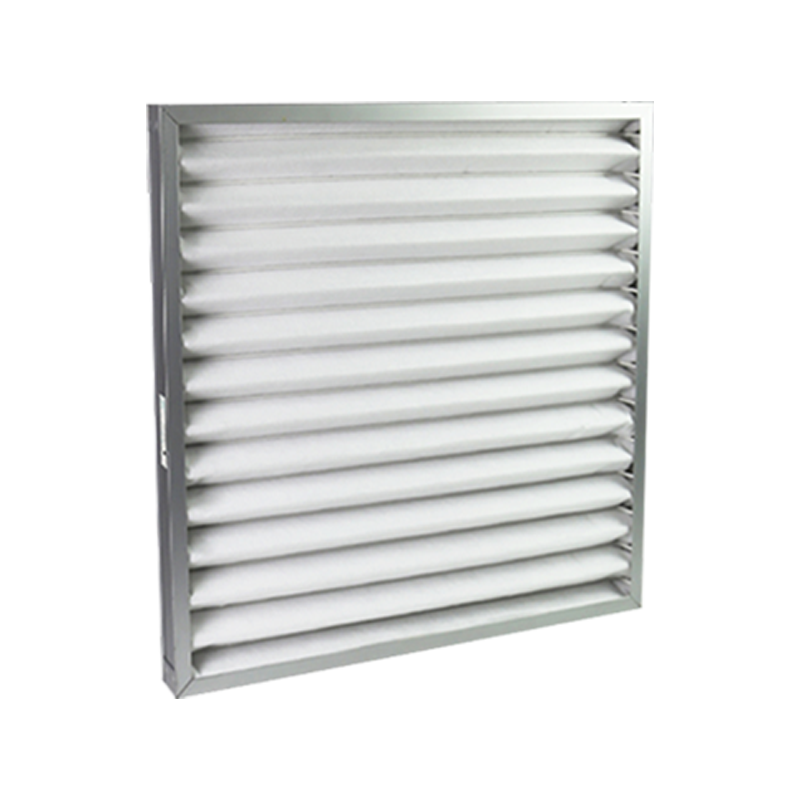
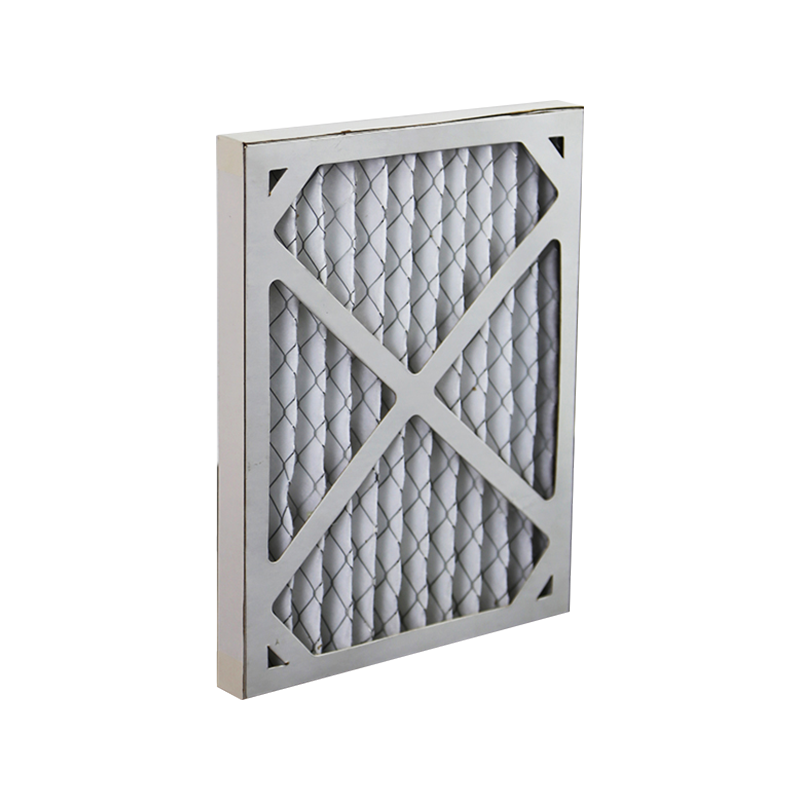
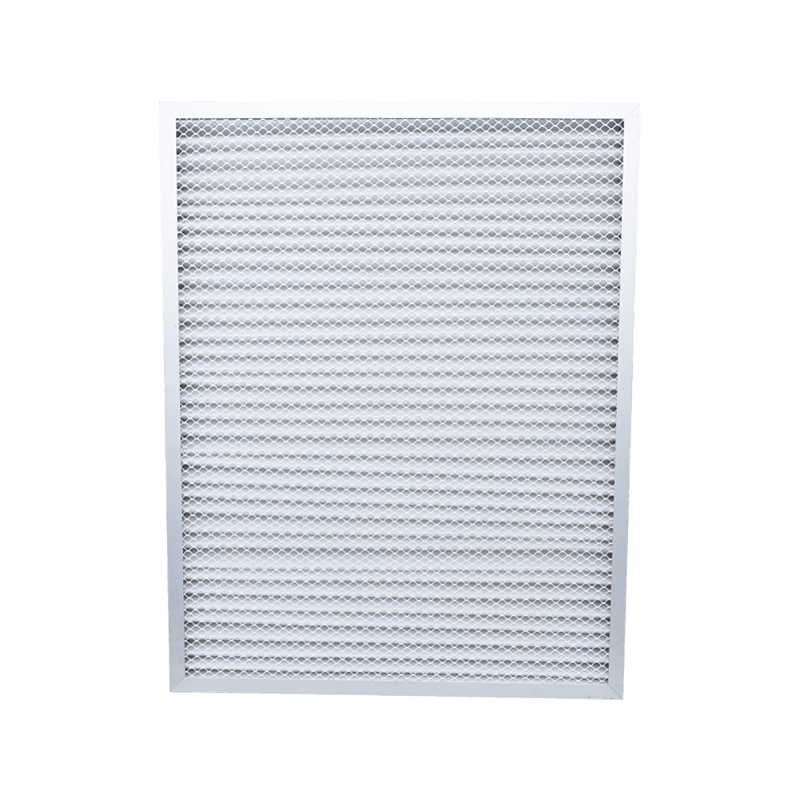
High-efficiency filters use various media, such as pleated fiberglass, synthetic fibers, or electrostatically charged materials, to increase particle capture. Pleating increases the surface area, allowing the filter to capture more contaminants without significantly increasing airflow resistance. Electrostatic filters attract and trap particles using static charge, further enhancing performance without adding bulk.
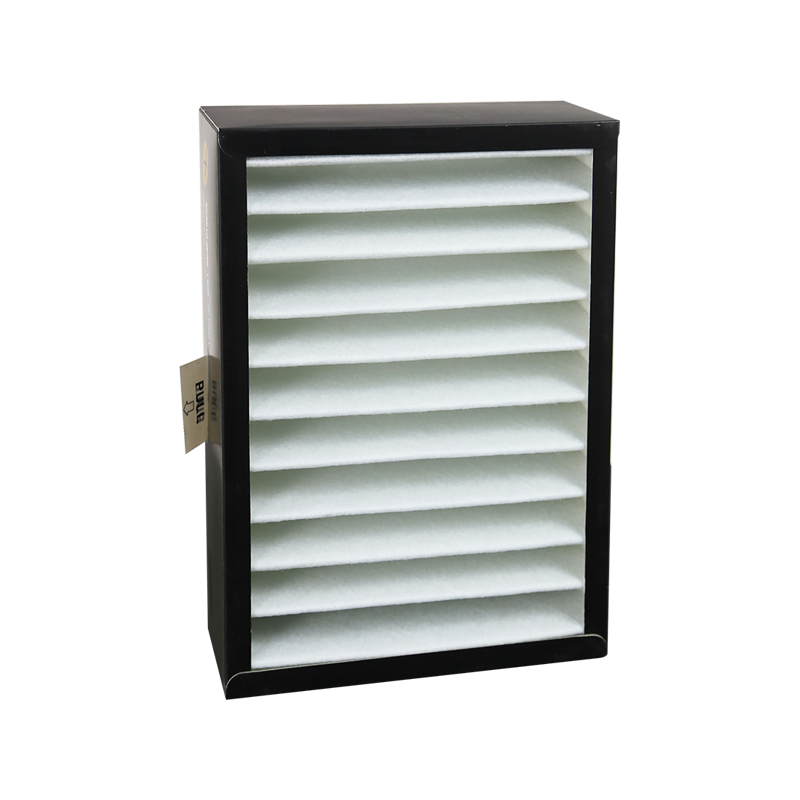
Installing high-efficiency HVAC filters offers multiple advantages for both residential and commercial settings, contributing to healthier and more comfortable indoor environments.
By trapping airborne particles, high-efficiency filters significantly reduce the presence of allergens, dust, and pollutants indoors. This is particularly beneficial for individuals with asthma, allergies, or respiratory conditions, as cleaner air reduces triggers and promotes better health.
High-efficiency filters prevent dust and debris from accumulating on internal components such as coils, blowers, and ductwork. This reduces wear and tear, maintains system efficiency, and extends the lifespan of HVAC equipment, ultimately lowering maintenance costs.
Although high-efficiency filters can slightly restrict airflow compared to standard filters, their ability to maintain cleaner components improves overall system efficiency. Clean systems operate more effectively, reducing energy consumption and utility costs over time.
High-efficiency HVAC filters can also capture odor-causing particles and reduce airborne contaminants. This leads to fresher indoor air, improving comfort in both homes and workplaces, and enhancing overall indoor air quality.
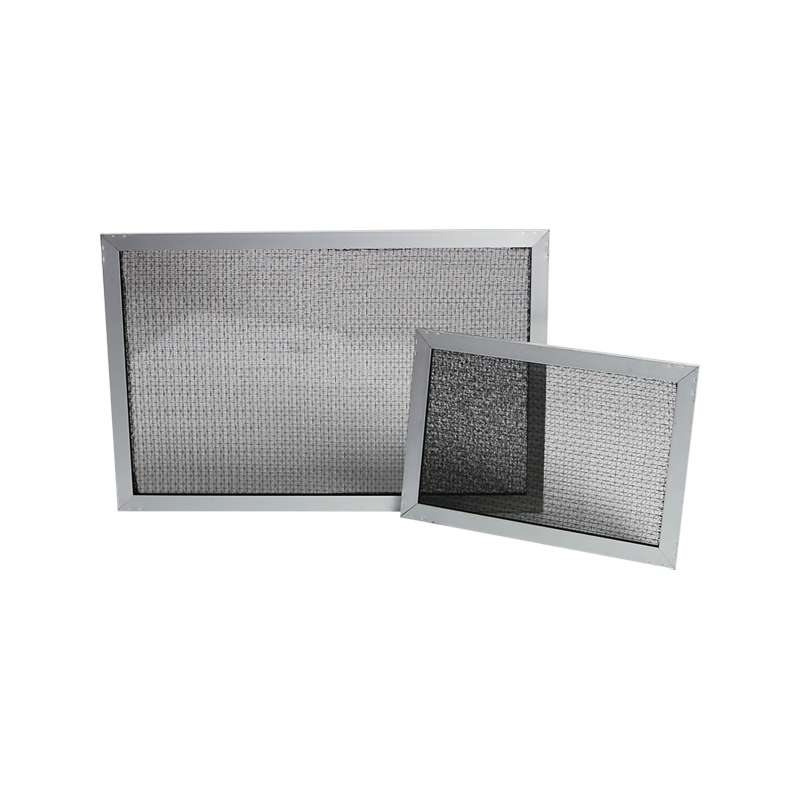
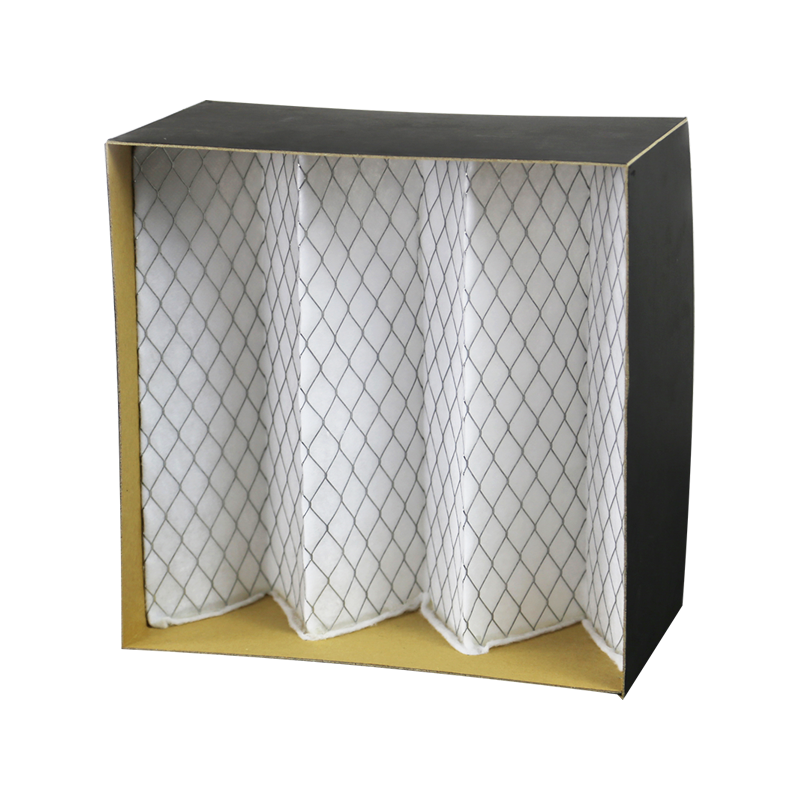
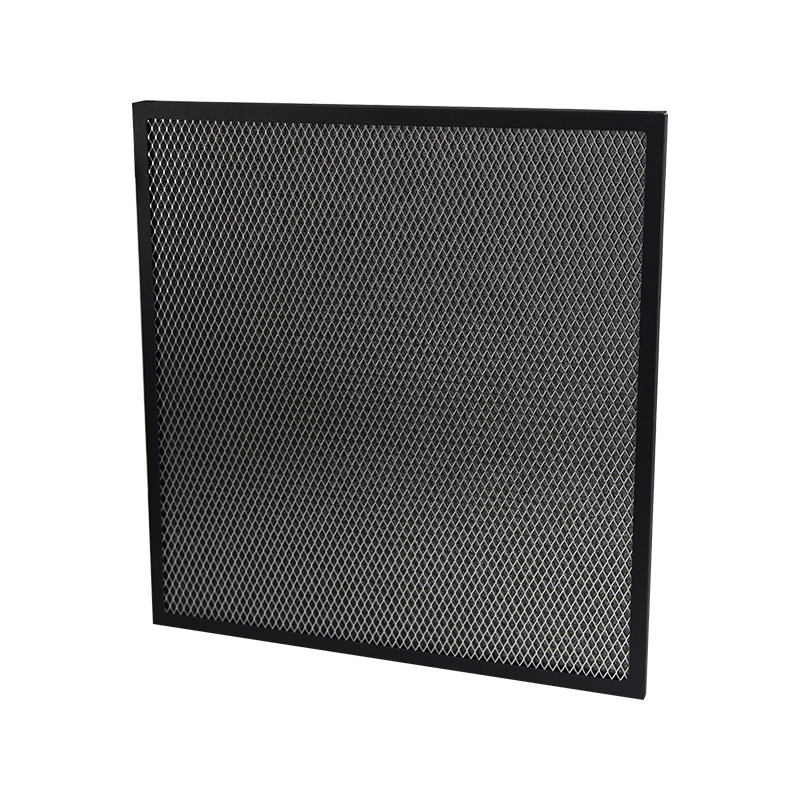
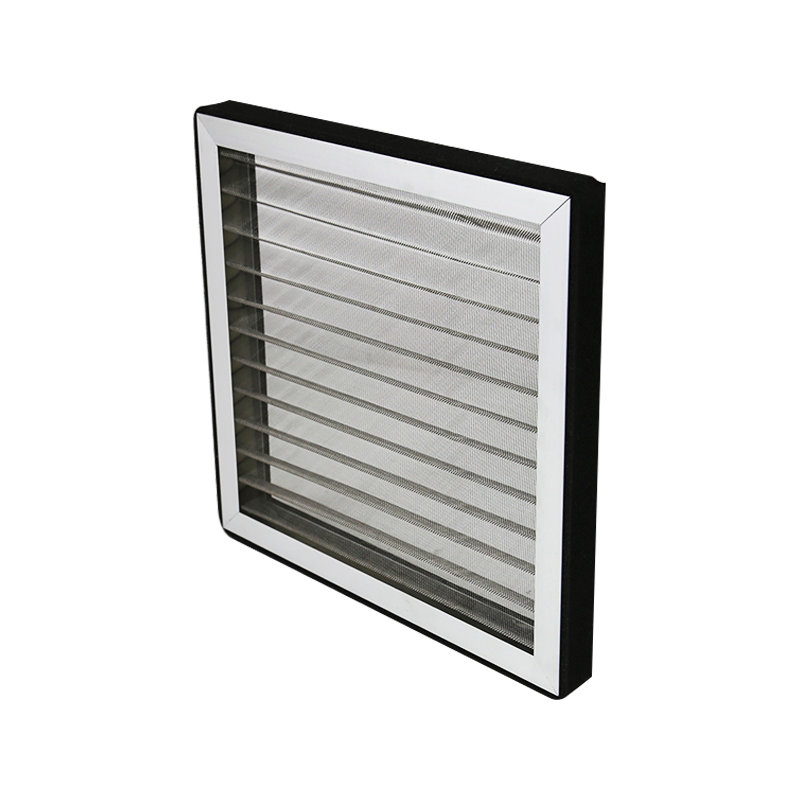
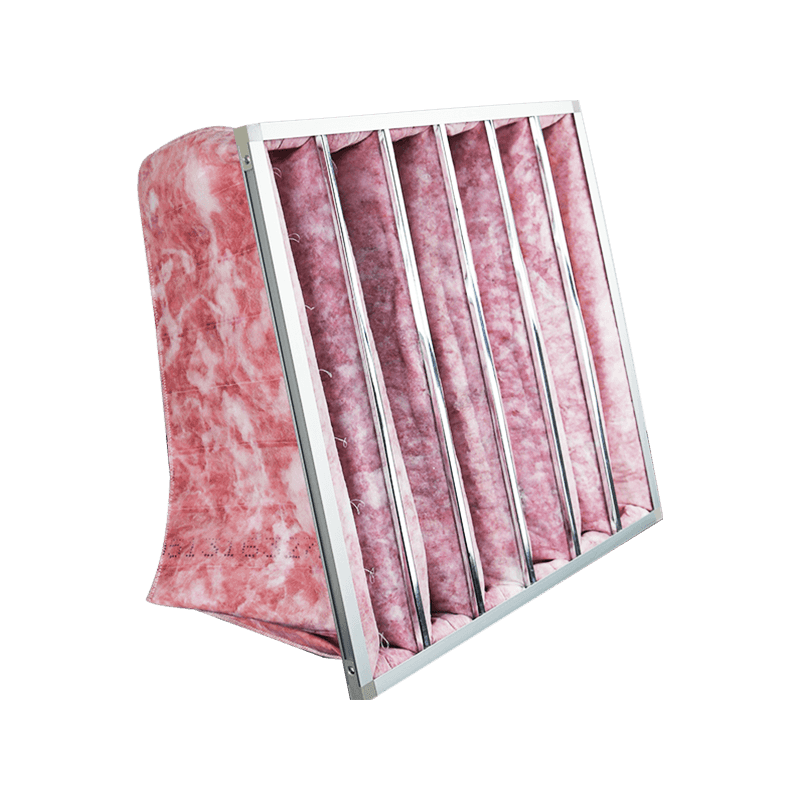
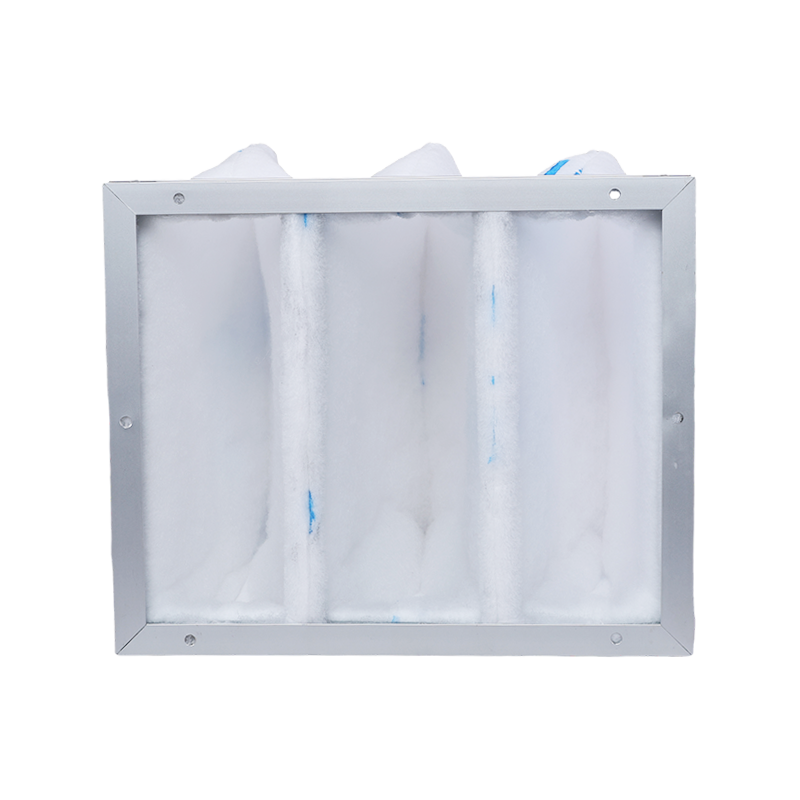
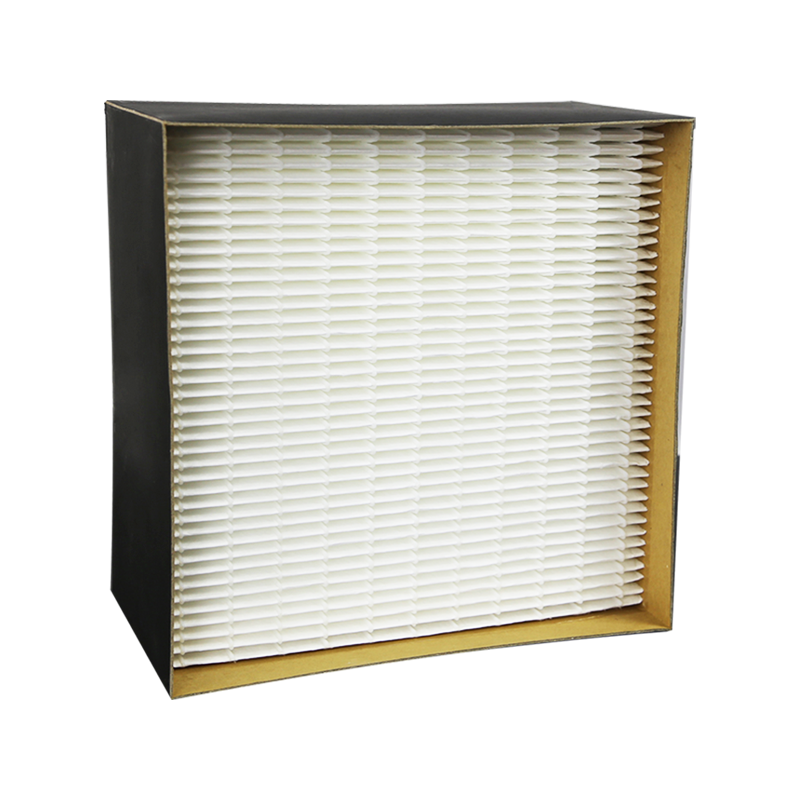
Understanding the different types of high-efficiency filters helps in selecting the right solution for a specific application. Common types include:
Choosing the right high-efficiency HVAC filter requires consideration of airflow, system compatibility, indoor air quality goals, and maintenance requirements.
Not all HVAC systems are designed for high-MERV filters. Installing an overly restrictive filter can reduce airflow, causing strain on the system. Check manufacturer recommendations and consult with HVAC professionals to ensure compatibility and maintain optimal performance.
High-efficiency filters typically require replacement every 3–6 months, depending on usage, air quality, and environmental conditions. Regular replacement prevents clogging, maintains airflow, and ensures continued high performance.
Indoor air quality monitors can help determine when filters need replacement. Monitoring particulate levels, humidity, and odors provides a practical approach to maintaining a healthy indoor environment.
The table below summarizes common HVAC filter types, their efficiency, and practical applications.
| Filter Type | MERV Rating | Particle Capture | Typical Use |
| Pleated Filter | 8–13 | Dust, pollen, pet dander | Residential & commercial HVAC |
| Electrostatic Filter | 8–13 | Dust, allergens, fine particles | Residential HVAC, light commercial |
| HEPA Filter | 17–20 | Bacteria, viruses, ultra-fine particles | Clean rooms, hospitals, specialized HVAC |
| Activated Carbon Filter | Varies | Odors, VOCs, chemical pollutants | Residential, commercial, industrial |
Even the highest-efficiency HVAC or furnace filter cannot perform optimally without proper usage and maintenance. Following practical steps can maximize indoor air quality benefits.
Filters should fit snugly in the filter slot with no gaps around edges. Improper installation allows air to bypass the filter, reducing efficiency and exposing HVAC components to contaminants.
Set reminders to inspect and replace filters according to manufacturer recommendations or when visibly dirty. Overused filters can become clogged, restricting airflow and reducing indoor air quality.
Factors such as pets, smoking, dust-prone areas, and seasonal pollen affect how quickly filters clog. Adjust replacement schedules accordingly and consider combining high-efficiency filters with air purifiers for enhanced performance.
High-efficiency filters work best when the entire system is clean and well-maintained. Schedule regular inspections and clean coils, ducts, and blower fans to prevent buildup that can compromise filter performance.
Some users assume that the highest MERV rating is always the best choice. While high-MERV filters capture smaller particles, they may restrict airflow if the system is not designed for them. Balancing filter efficiency with system airflow is essential for both safety and energy efficiency.
High-MERV filters remove more fine particles than standard filters but may require more frequent replacement. A properly selected MERV rating ensures optimal air quality without overburdening the HVAC system.
Overly restrictive filters can cause reduced airflow, increased energy consumption, and potential strain on HVAC motors. Always check compatibility and system design before upgrading to higher-efficiency filters.
High-efficiency HVAC and furnace filters play a critical role in improving indoor air quality by capturing dust, allergens, and airborne pollutants. They not only promote health and comfort but also protect HVAC systems, improve energy efficiency, and reduce maintenance costs. Choosing the right filter, maintaining a consistent replacement schedule, and monitoring indoor air quality are essential practices to maximize these benefits.
By investing in high-quality filters and following best practices, homeowners and building managers can create safer, cleaner, and more comfortable indoor environments. Properly maintained HVAC systems with high-efficiency filters ensure that indoor air remains healthy, contributing to overall well-being and productivity.
How to Choose the Right Box HEPA Filter for Your Air Purifier or HVAC System?
Why Is the Cylindrical Filter Cartridge Essential for Modern Filtration Systems?














Copyright 2023 Nantong Henka Environment Solutions Co.,Ltd. All Rights Reserved
 HEPA Air Filters Manufacturers Customized HEPA Air Filters Factory
 Tel: +86-13813766750
 E-mail:
  Add: 5169, Bin'gang Ave, Binjiang Subdistrict, Haimen City, Jiangsu, China