

 English
 русский
 Español
 简体中文
简体中文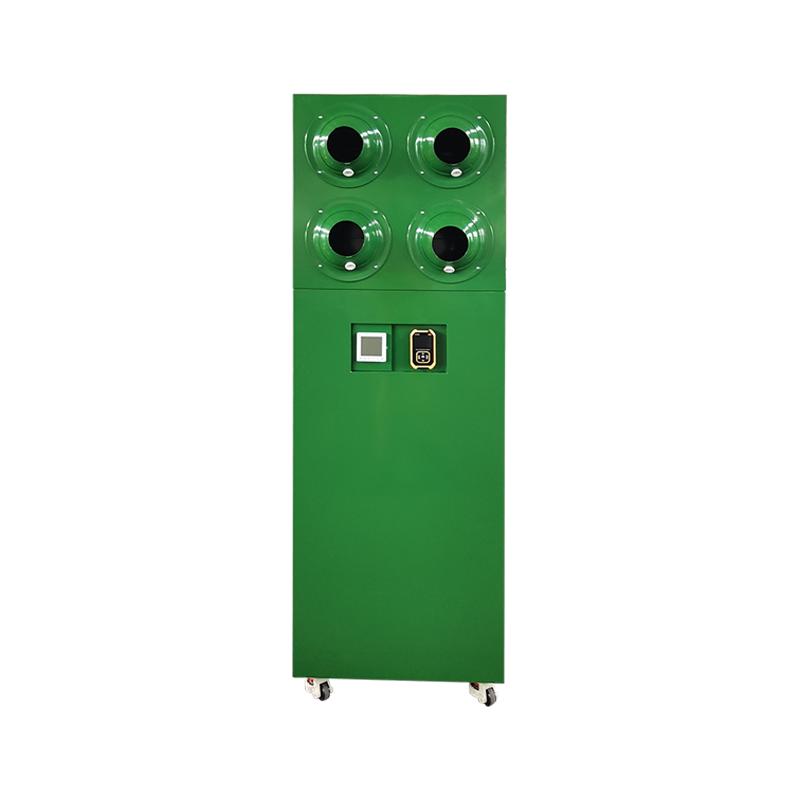
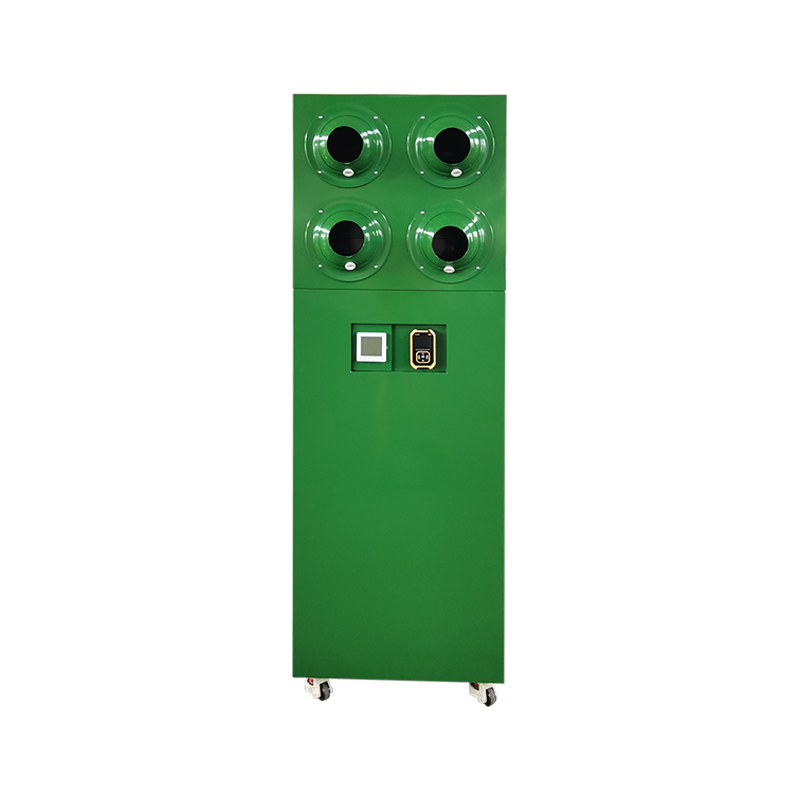
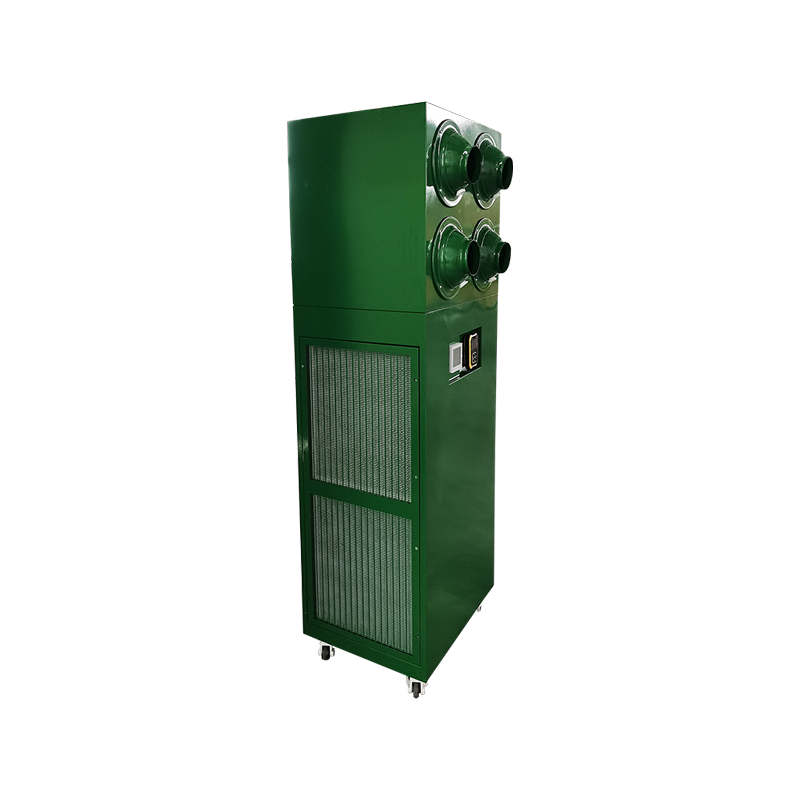
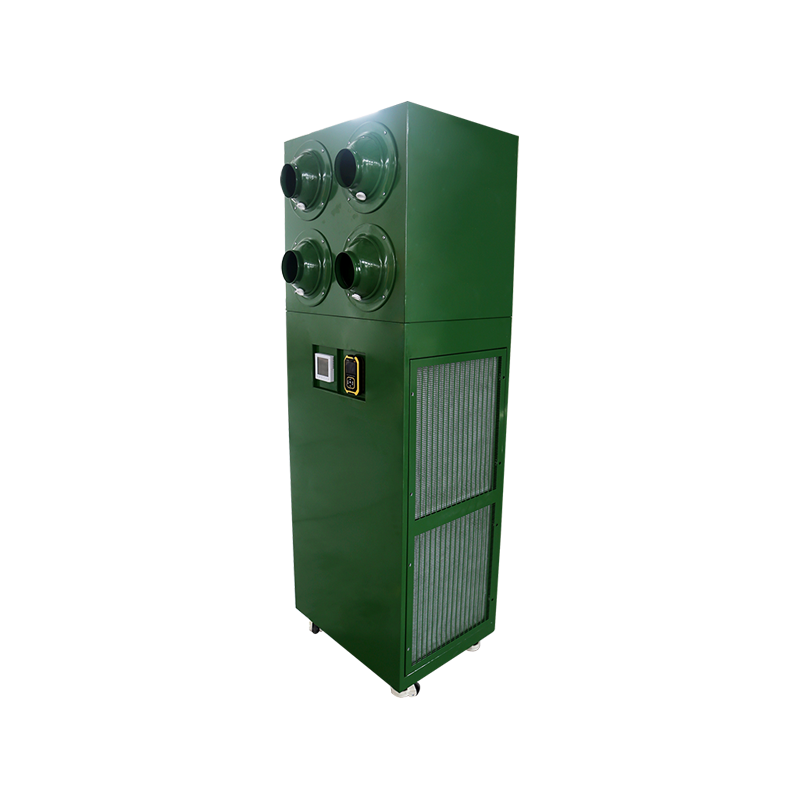
HEA-KJ1500-CD01 Radon Removal Air Purifier
High-efficiency filters filter radon daughters
Principle: Generally, radon daughters are radioactive particles attached to the dust surface, which high-efficiency filters can usually filter.
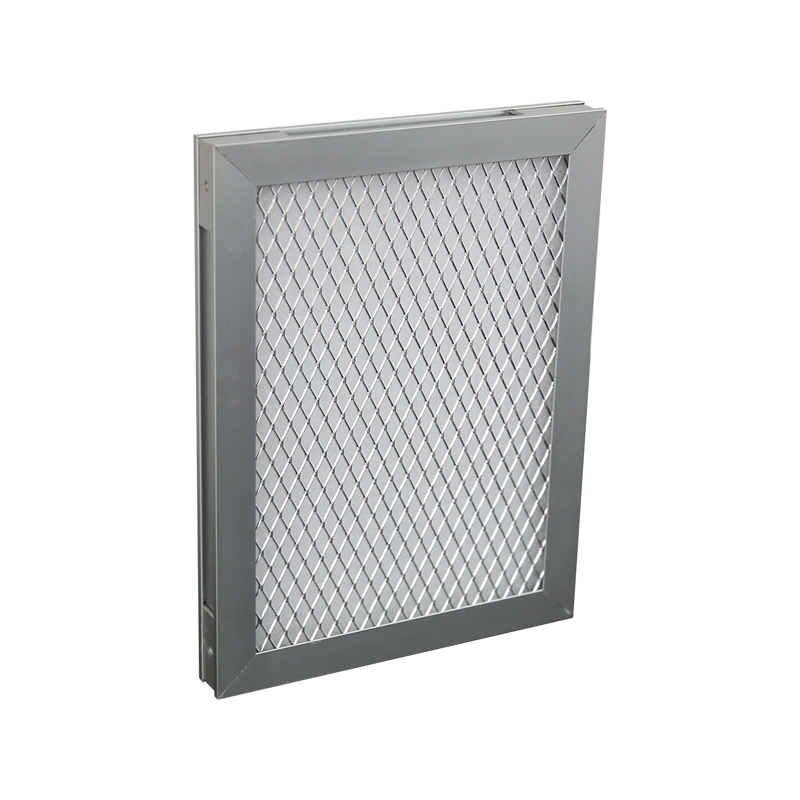
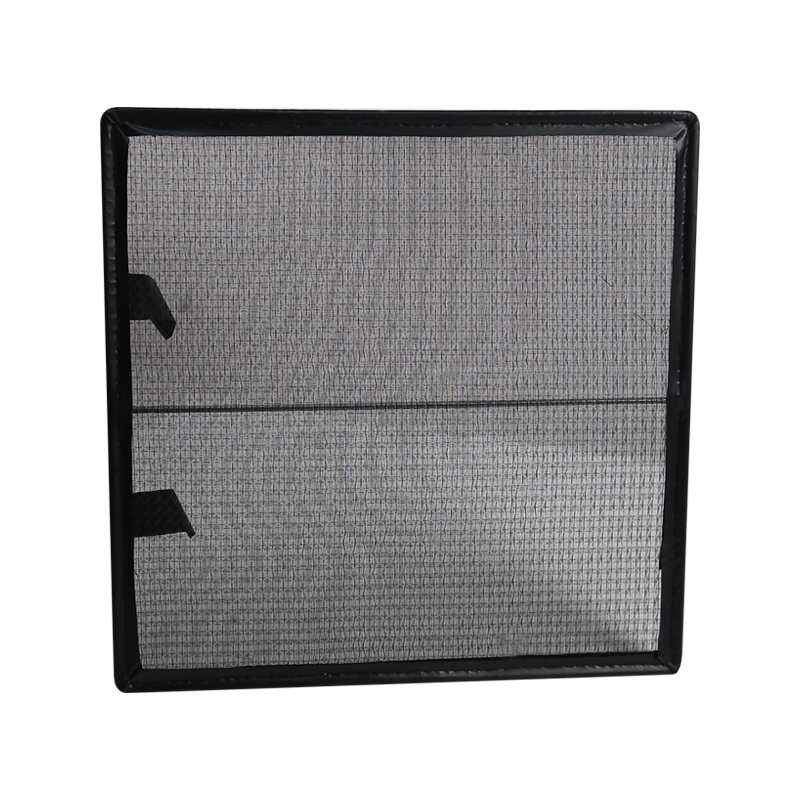
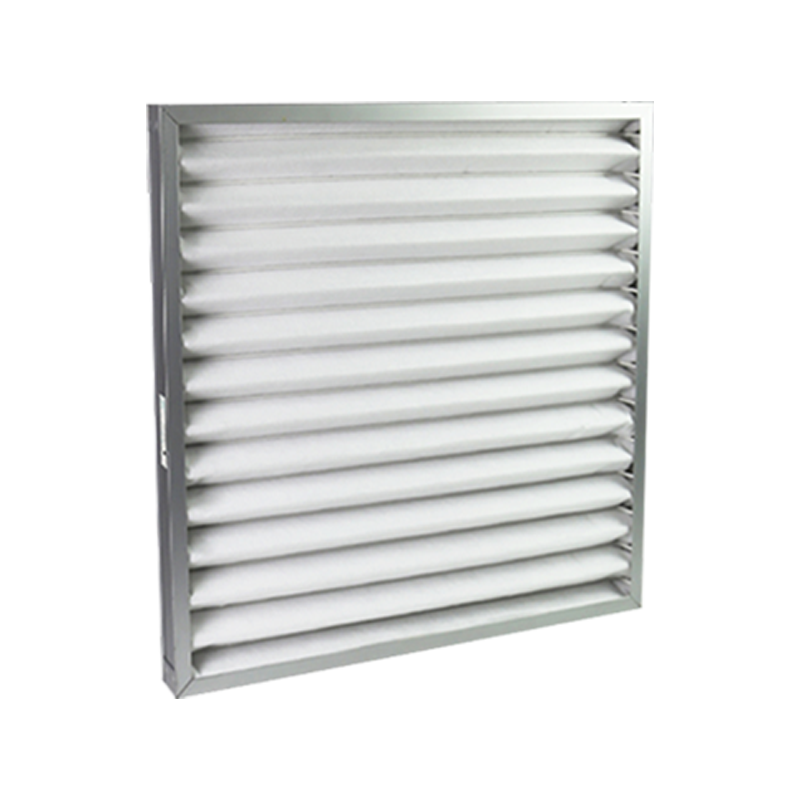
Commonly used high-efficiency filter materials are glass fiber, PTFE, electrostatic melt-blowing, nanofibers, and so on.
Because high-energy rays can destroy the static electricity of electrostatic melt-blown materials, electrostatic melt-blown materials are not suitable for the filtration of radioactive particles.
Compared with glass fiber and PTFE materials, nanofiber materials have the advantage of lower resistance based on the same efficiency.
Nanofiber filtration is mechanical, and the filtration efficiency will not be reduced, ensuring that there will be no secondary pollution during use.
Performance Parameter
|
Product model |
HEA-KJ500-CD01 |
|
Input voltage |
220V 50Hz |
|
Max power |
530W |
|
Maximum air volume |
1500m3/h |
|
Dimensions |
1500×660×500 (height × width × thickness) |
|
Radon daughter's 1-hour removal rate |
>90% |


 Tel: +86-13813766750
 E-mail:
  Add: 5169, Bin'gang Ave, Binjiang Subdistrict, Haimen City, Jiangsu, China