


 English
 русский
 Español
 简体中文
From solutions to productions, we’re specialized in making the products you need.
Home / News / Industry News / Do HEPA Filters Remove Odors? Essential Facts for Air Purifier OEMs and Buyers
Content
Let's say you just placed an air purifier in a home where the kitchen keeps smoky and the cat has claimed a corner of the living room. The dust clears, and maybe the dander load drops. But when you walk in after cooking or return from a weekend away, the smell is still there. This is the boundary that HEPA filters do not cross.
HEPA filters are not designed to remove odors. They catch solid particles—dust, pollen, and smoke—but odor is a gas. Gas molecules slip through HEPA media. To remove smells, you need a different mechanism, usually activated carbon or chemically treated filter media.
A true HEPA filter is tested to capture 99.97% of particles at 0.3 micron. That includes dust, pollen, mold spores, pet dander, and smoke particles. It also catches many ultrafine particles with a diameter that is only a few hundred nanometers.
Odor-causing compounds are different. A volatile organic compound such as toluene or a sulfur compound such as mercaptan exists as individual gas molecules. These molecules measure roughly 0.4 to 1 nanometer in size, which is far smaller than the physical spaces in HEPA media. They pass through HEPA fiber—and around it—without being captured.
For household air purifier applications, this means a pure HEPA pack is an excellent particle filter but not an odor filter. If a product is promoted as a "HEPA odor remover," the odor function almost always comes from a carbon layer, a carbon-coated substrate, or a chemical media block behind the HEPA pack.
Activated carbon works through adsorption. Its internal pore structure creates a huge surface area—often hundreds of square meters per gram—so gas molecules stick to the carbon surface instead of traveling into the room. The process is physical at first, but impregnated carbon goes further. Acid-impregnated carbon can neutralize ammonia, while other chemical treatments break down formaldehyde or reactive VOCs.
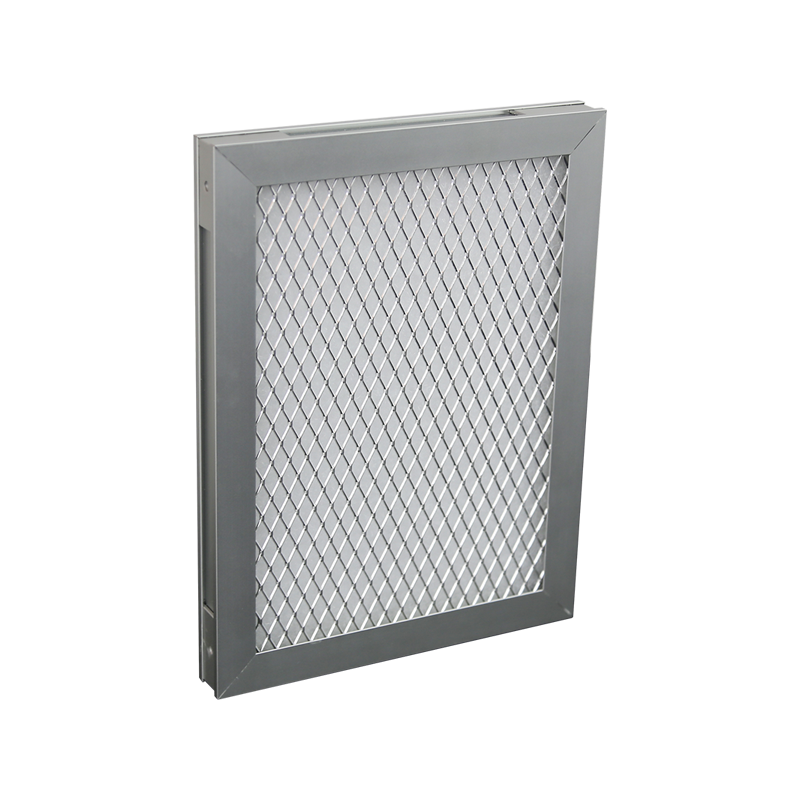
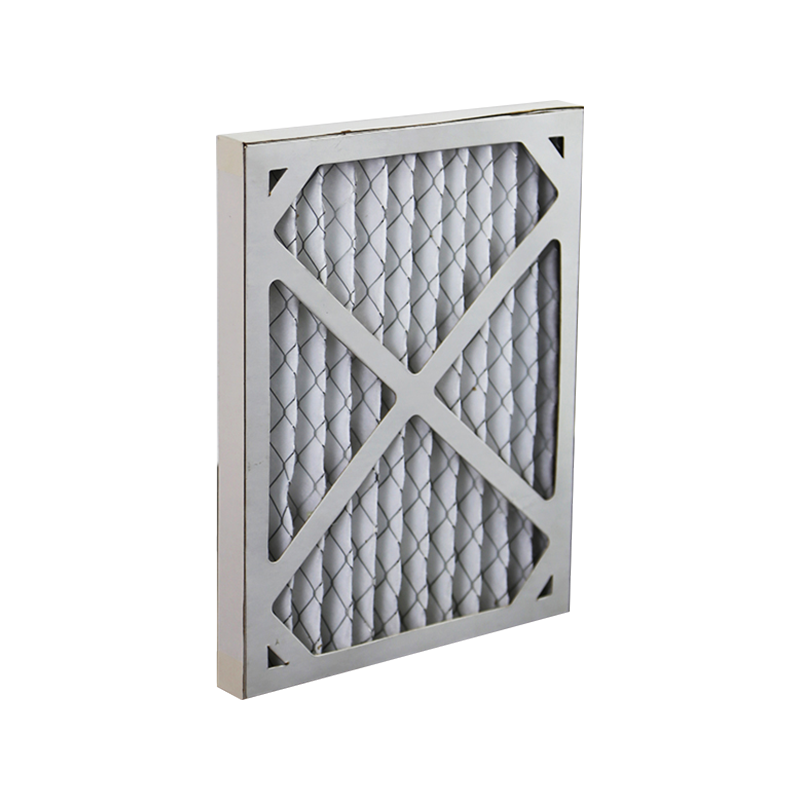
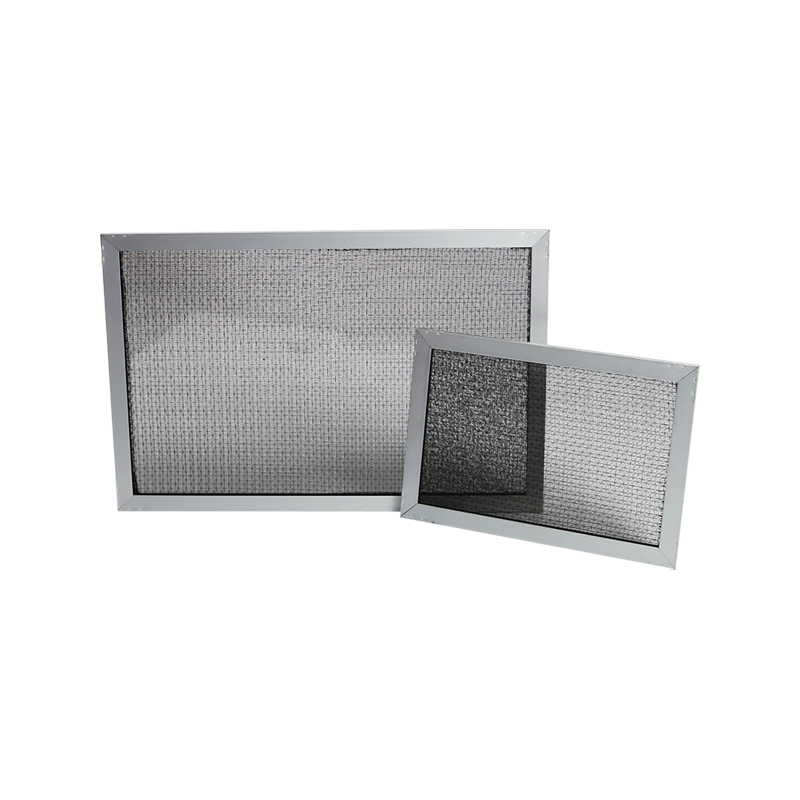
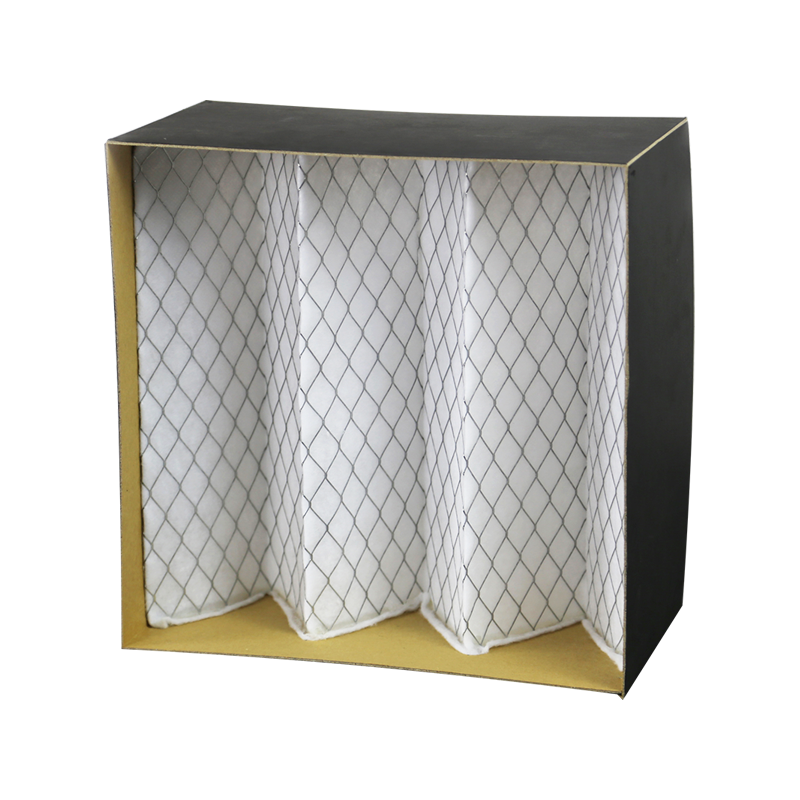
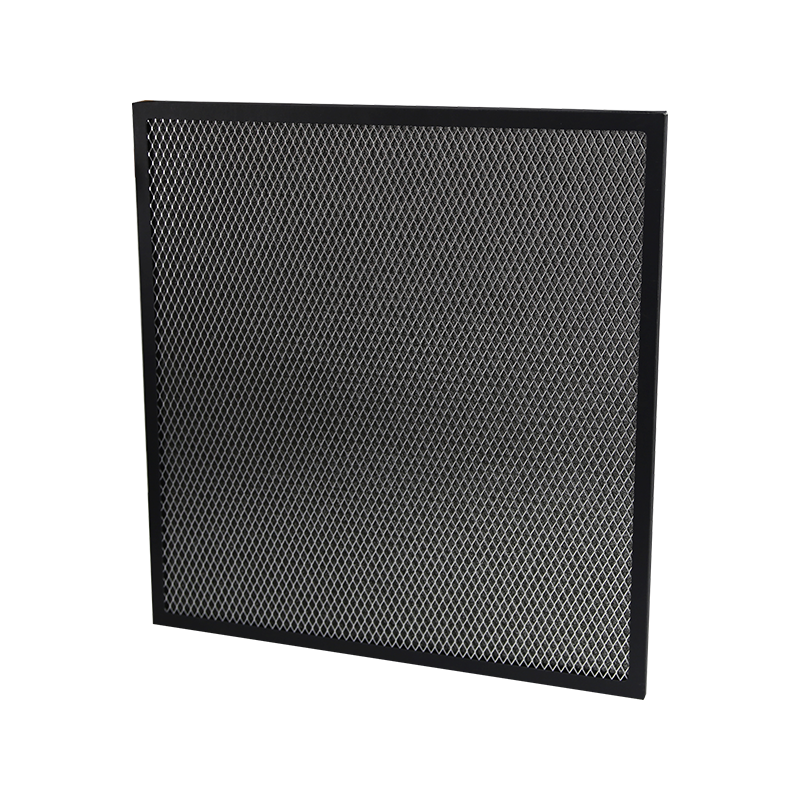
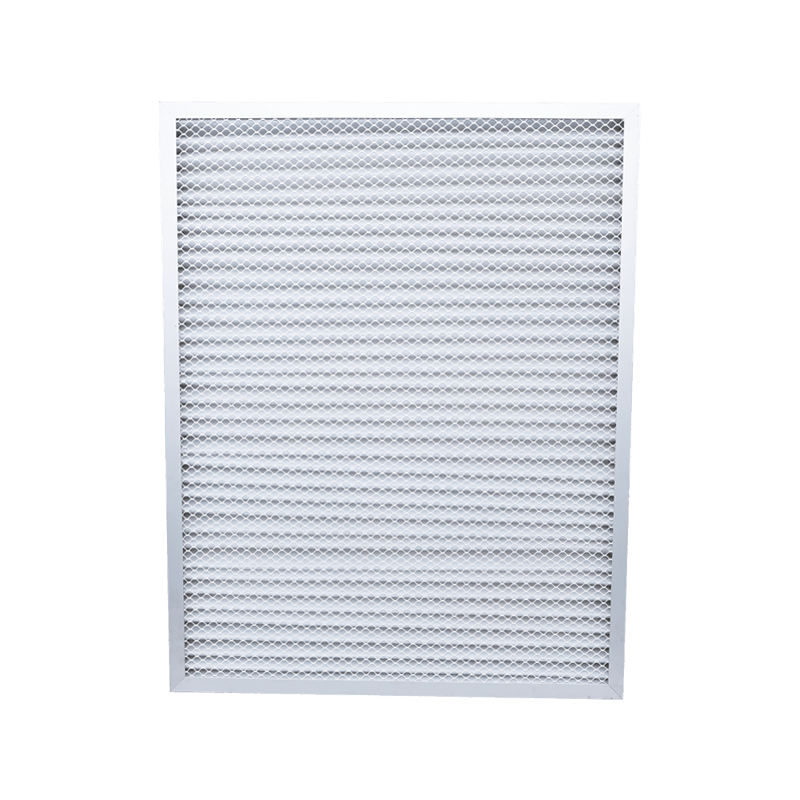
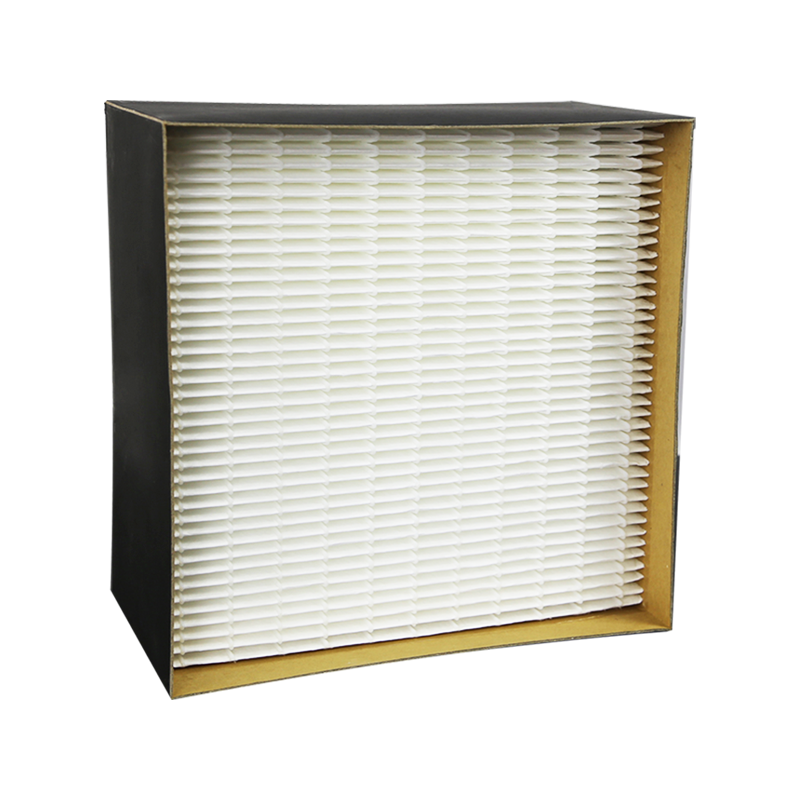
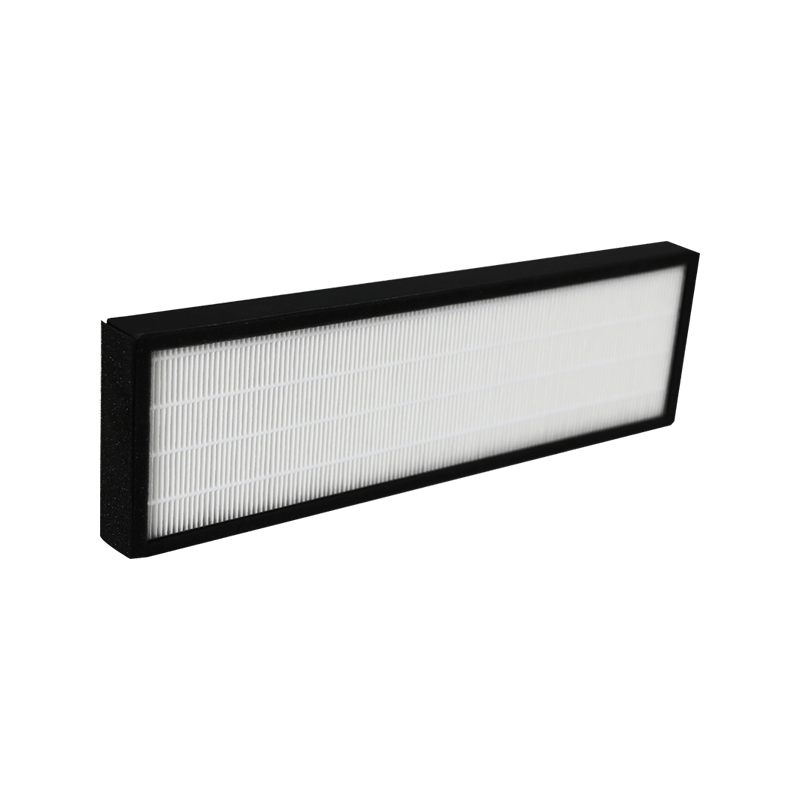 Multifunctional Activated Carbon HEPA Filter for Particles and OdorsThis composite filter combines HEPA media and modified activated carbon to capture 0.3-micron particles, formaldehyde, VOCs, and odors. It offers customizable frames and is suited for applications needing both particulate and odor control.View Product →
In practical terms, the carbon needs two things: mass and contact time. A thin pleated panel with a light carbon coating cannot handle a persistent kitchen smell. A deeper loaded honeycomb or a granule bed gives molecules more time to touch the surface, which raises the removal efficiency. This is why the same dust-removal device can be upgraded into an odor-control device simply by changing the filter media.
There are also desiccant and catalyst media that remove specific gases. Ozone removal filters break down ozone, while photocatalyst filters oxidize VOCs on a light-reacting surface. For everyday smoke, pet, and cooking odors, activated carbon is still the workhorse.
When you evaluate filters for an air purifier, HVAC, or fresh air system, the selection should start with the odor source and the separation mechanism. A filter that performs well for dust may do nothing for ammonia, and a filter that removes tobacco smoke may not remove formaldehyde. The following comparison summarizes the main options.
| Filter Type | What It Captures | Odor Removal Level | Typical Application |
|---|---|---|---|
| HEPA only | Dust, pollen, smoke particles, pet dander | No gas-phase odor removal | Clean rooms, particle-only HVAC, base air purifiers |
| HEPA plus activated carbon | Particles plus VOCs, smoke smell, cooking odor | Good for light to moderate odors; media saturates over time | Home air purifiers, fresh air systems, cabin filters |
| Impregnated carbon or chemical media | Ammonia, formaldehyde, acid gases, ozone, strong reactive odors | High for targeted molecules; must be sized and replaced on schedule | Manufacturing, hospitals, waste handling, specialized ventilation |
For most projects, the safest route is a composite filter: a particulate layer followed by an activated carbon layer. It solves the particle problem and the odor problem in one cassette.
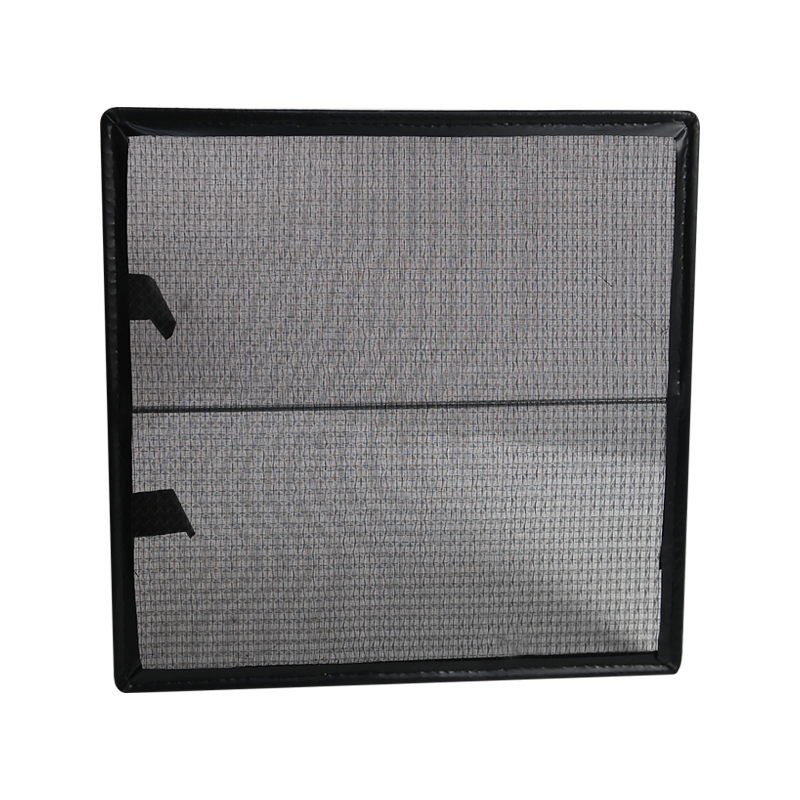
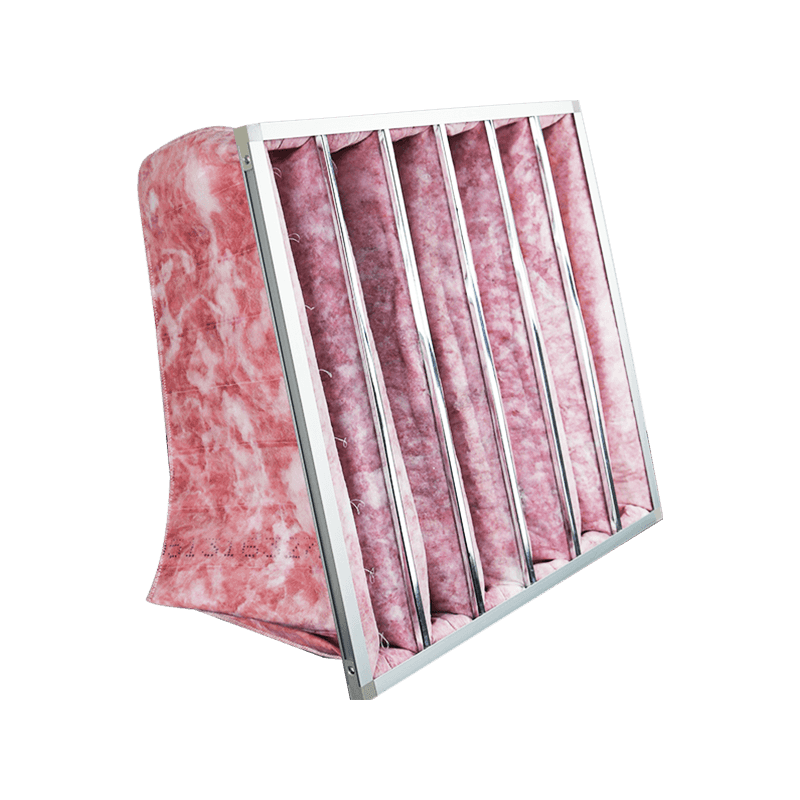
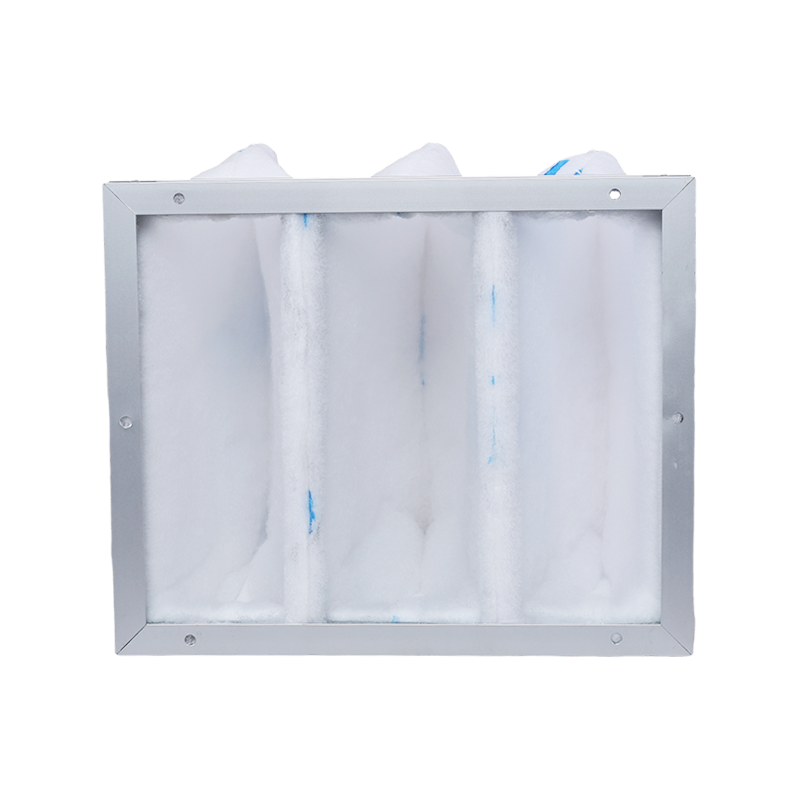
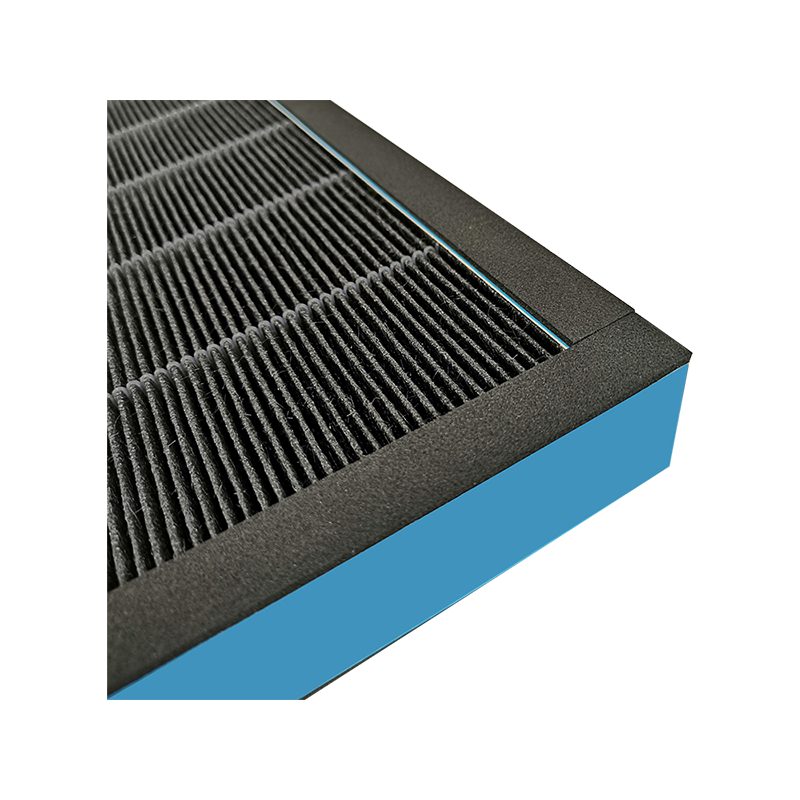 Odor Removal Filter for Air Purification SystemsDesigned for odor control, this filter uses activated carbon media to remove gases and smells. It can be integrated into various systems, and its performance depends on carbon mass and contact time, as noted in the surrounding discussion.View Product →
The most important selection risk is carbon saturation. If the filter medium is too small, you will get clean-smelling air for a short period and then odors will return. For a purchase commitment, ask for the estimated cumulative clean mass or the recommended replacement period based on a documented odor load.
In a home purifier, the filter is often a combined HEPA and carbon block. In a centralized fresh air system, the odor filter must work with lower face velocities and longer duct runs, so the carbon bed may be deeper and the bypass path must be minimized. If air bypasses the filter, that air carries odor straight through the unit.
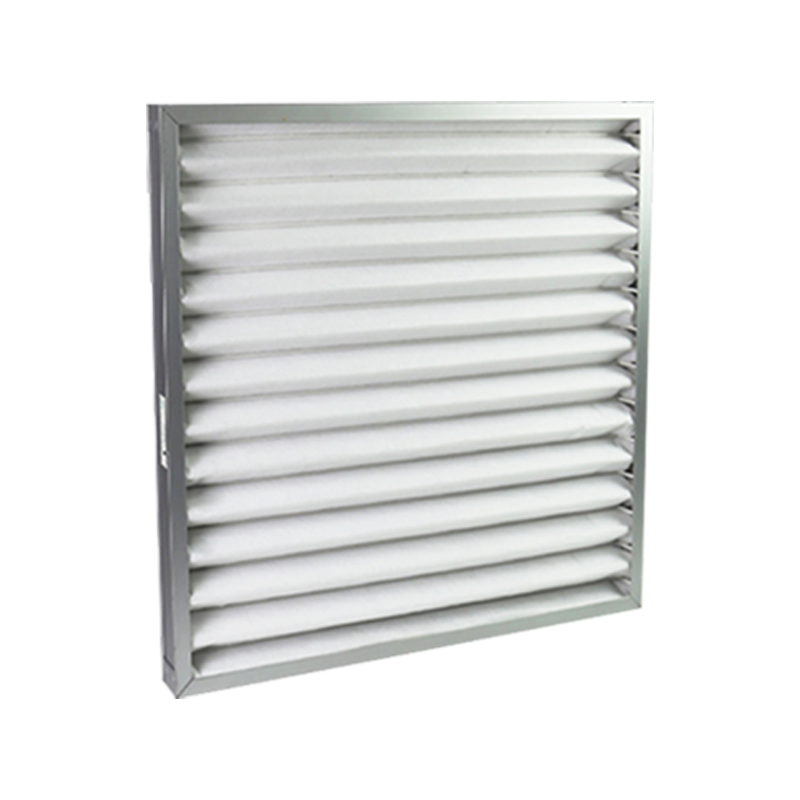
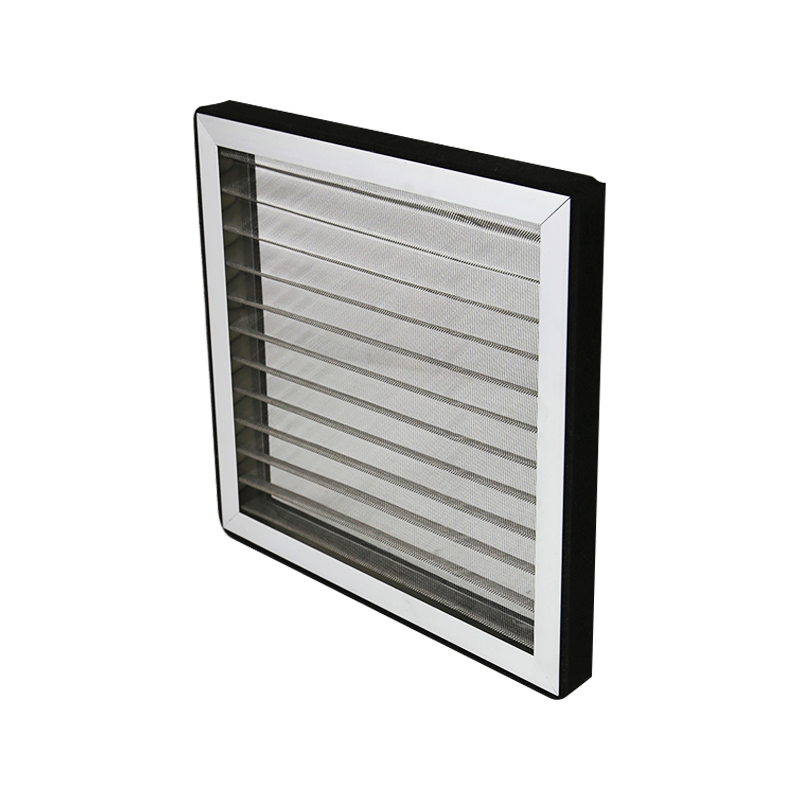
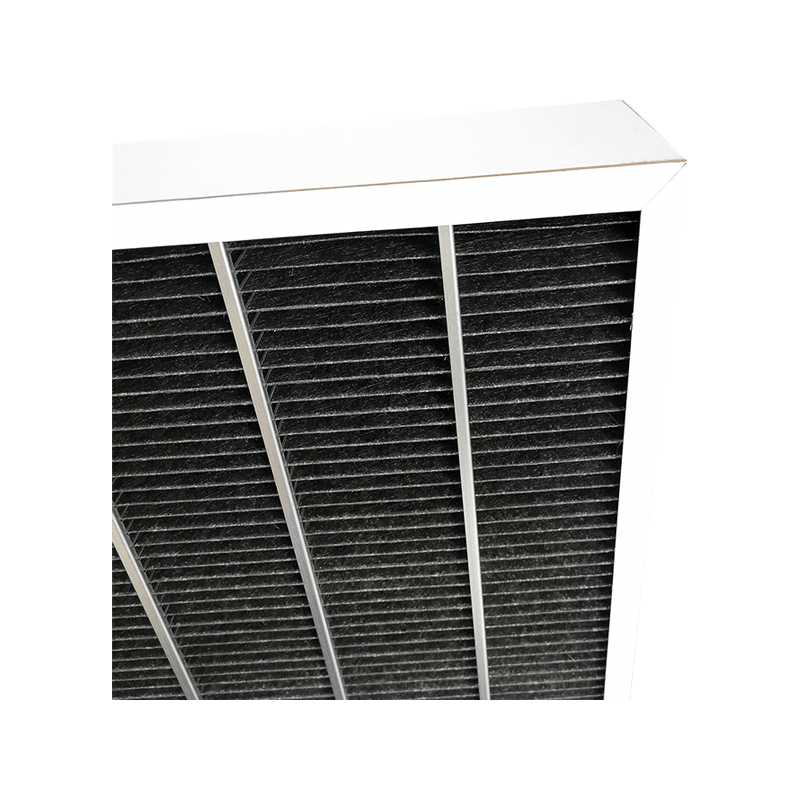 Metal Positioning Comb Odor Removal Filter with Adjustable EfficiencyThis filter features a metal comb for stable pleat spacing, available in F7 to H14 grades and black color. It minimizes bypass and is suitable for HVAC or transport where vibration and airflow variability are concerns.View Product →
The same principle applies to HVAC and transport applications. A metal-positioning comb can keep a high-pleat carbon filter stable under variable airflow and vibration, preventing gaps that allow odor to leak. A filter that fits the cassette exactly is just as important as the media type.
For OEM and ODM teams, this creates flexibility. The same base frame can accept a HEPA-only pack, a HEPA plus carbon pack, or a chemical pack targeted at a specific contaminant. That reduces tooling cost and lets the product line respond to different regional odor conditions.
Before specifying an odor-removal filter, review the six factors below. Each one directly changes performance in the field.
HEPA filters do not remove odors by themselves. They excel at capturing solids, but odor-causing gases need activated carbon, chemical media, or a catalytic process. The solution is a composite filter that addresses both particles and molecules, with enough carbon mass to stay effective between replacements.
If you are selecting filters for a new air purifier, ventilation unit, or retrofit project, start with the actual odor profile, then size the filter based on airflow and contact time. The right filter will solve the smell without changing the rest of the device.














Copyright 2023 Nantong Henka Environment Solutions Co.,Ltd. All Rights Reserved
 HEPA Air Filters Manufacturers Customized HEPA Air Filters Factory
 Tel: +86-13813766750
 E-mail:
 Add: 5169, Bin'gang Ave, Binjiang Subdistrict, Haimen City, Jiangsu, China