


 English
 русский
 Español
 简体中文
简体中文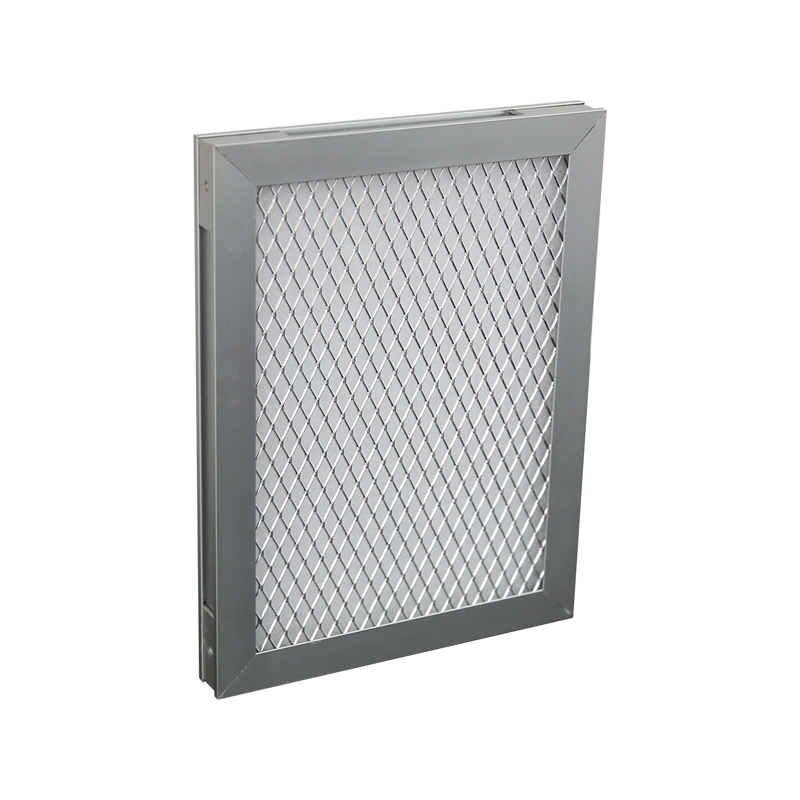
From solutions to productions, we’re specialized in making the products you need.
Home / News / Industry News / What Are Primary Air Filters? Understanding Their Role, Types, and Benefits
Introduction: Why Are Primary Air Filters Important?
Air quality directly affects human health and comfort, especially in indoor environments where people spend most of their time. Primary air filters play a fundamental role in removing large dust particles, lint, and debris from incoming air before it enters the HVAC (Heating, Ventilation, and Air Conditioning) system or industrial air handling units.
These filters act as the first line of defense, protecting downstream equipment such as fans, coils, and secondary filters, improving overall air cleanliness, and prolonging system lifespan.
What Are Primary Air Filters?
Primary air filters, also known as pre-filters or initial filters, are air filtration devices installed at the intake of HVAC systems or air handling units to capture large particles such as:
Dust
Pollen
Fibers
Hair
Other coarse airborne contaminants
They typically have lower filtration efficiency compared to secondary or HEPA filters but are essential for preventing clogging and damage to more sensitive filters and mechanical components downstream.
How Do Primary Air Filters Work?
Primary filters operate by mechanical interception — as air flows through the filter media, larger particles are trapped on or within the filter fibers due to size exclusion and inertial impaction. Unlike finer filters, they do not capture microscopic particles like bacteria or smoke but excel at removing visible dust and debris.
By doing so, primary filters:
Improve indoor air quality
Reduce wear and tear on HVAC components
Optimize airflow and system efficiency

What Are the Common Types of Primary Air Filters?
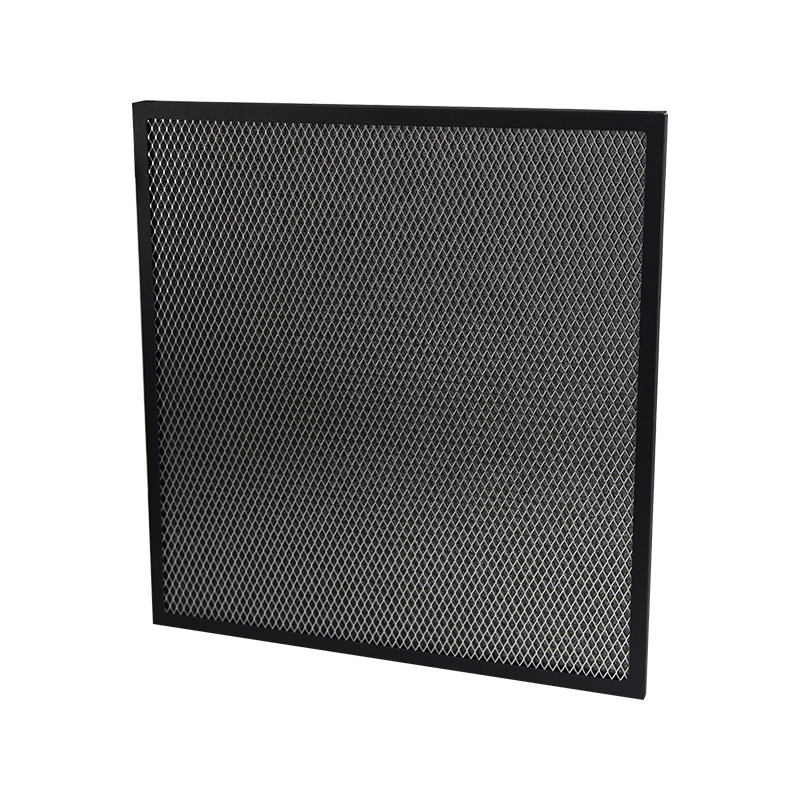
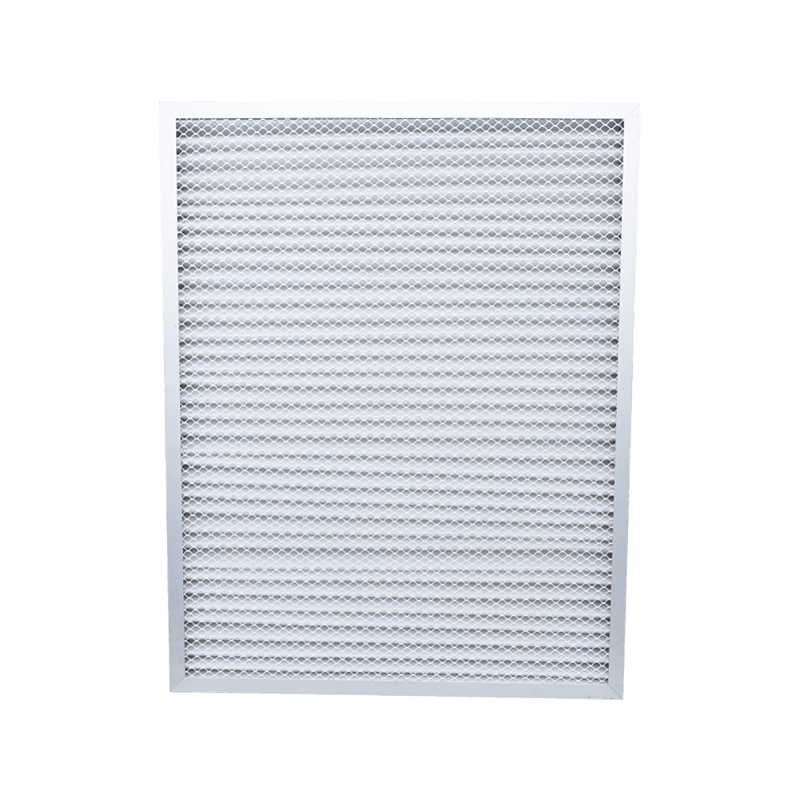
Panel Filters
Simple flat panels made of fiberglass or synthetic fibers. They are disposable and low-cost but have relatively low dust-holding capacity.
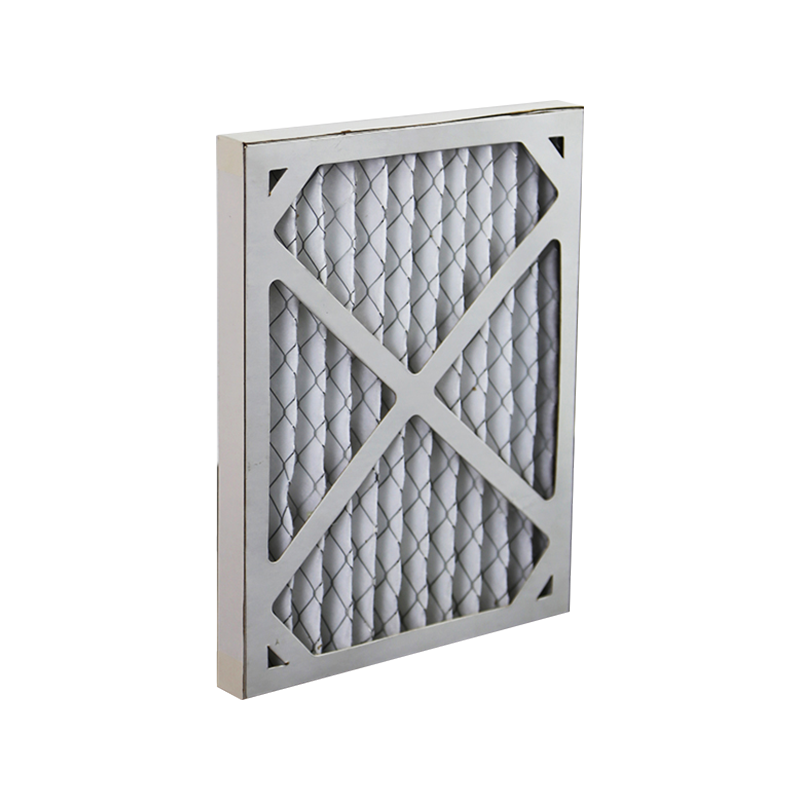
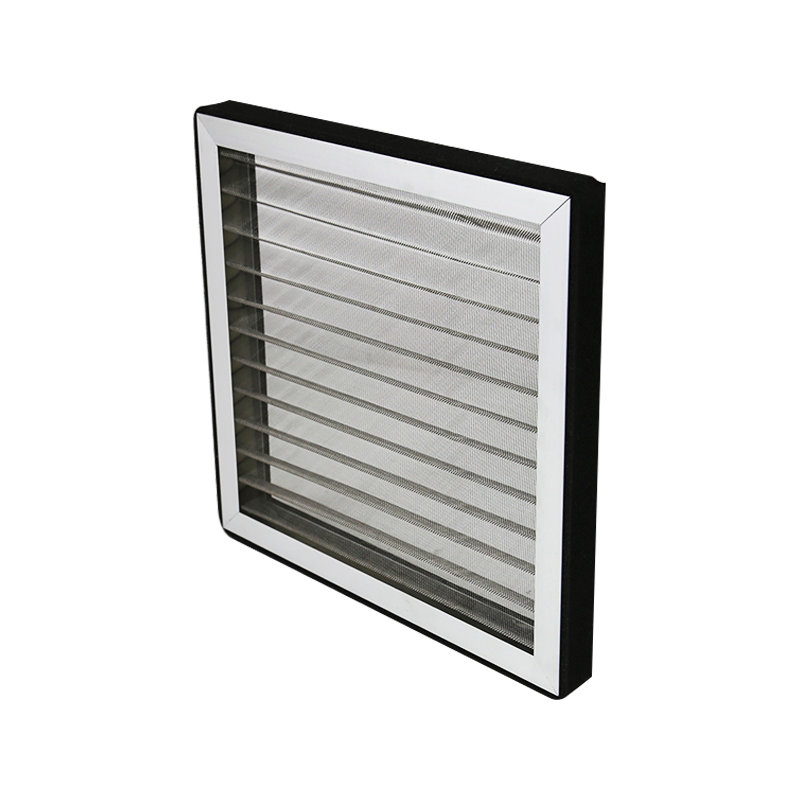
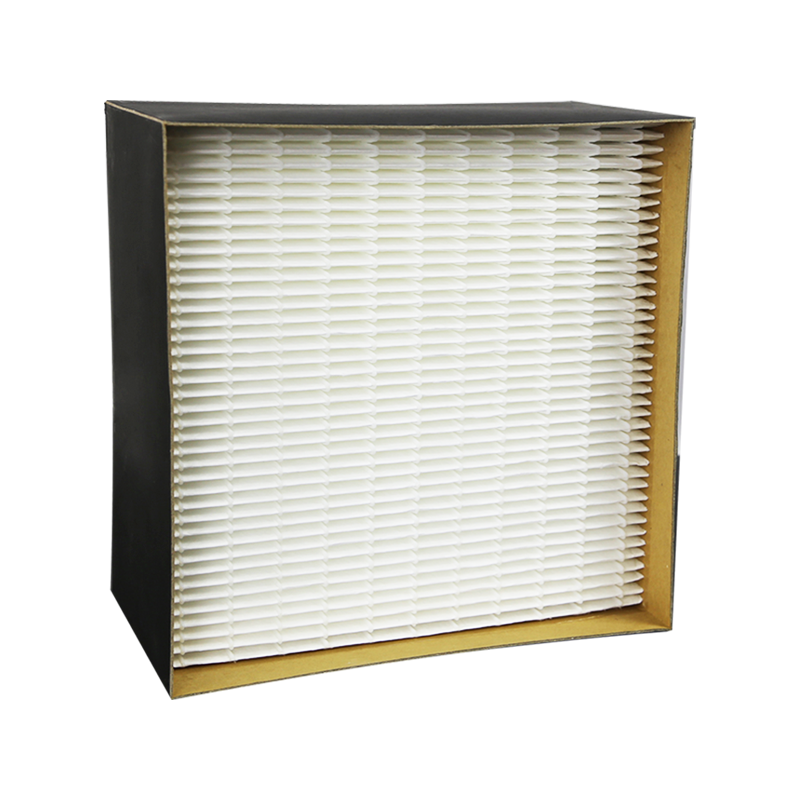
Pleated Filters
Made by folding filter media to increase surface area, improving particle capture and filter lifespan compared to flat panels.
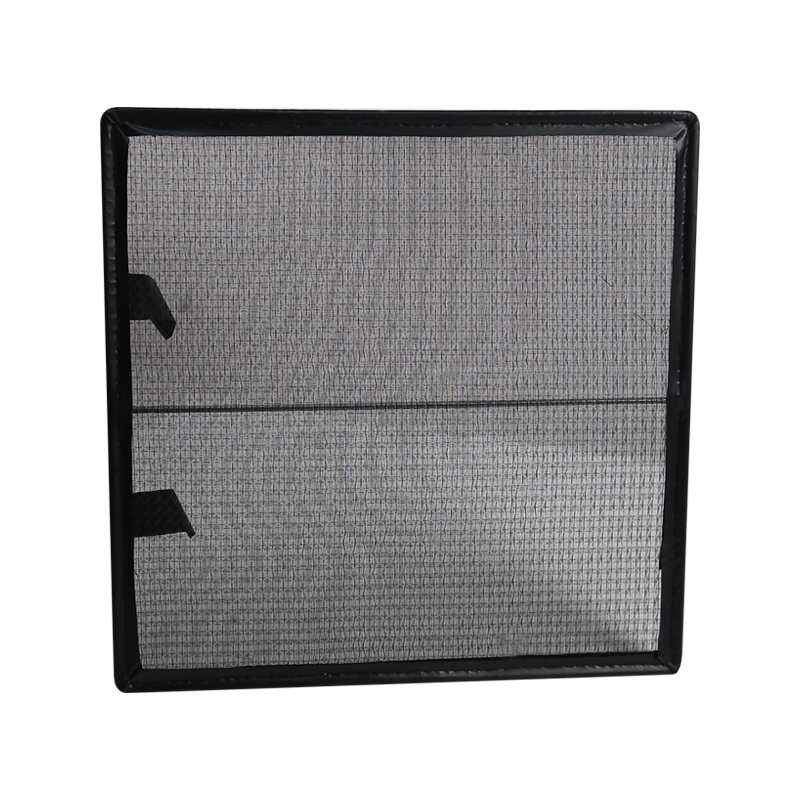
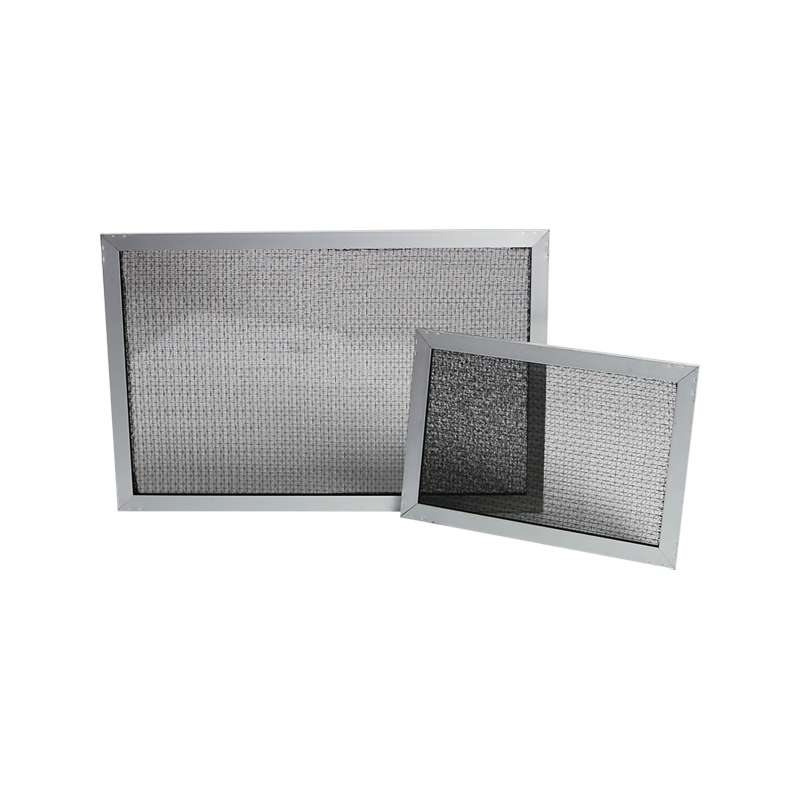
Mesh Filters
Usually metallic or synthetic mesh screens, washable and reusable, used primarily in industrial settings.
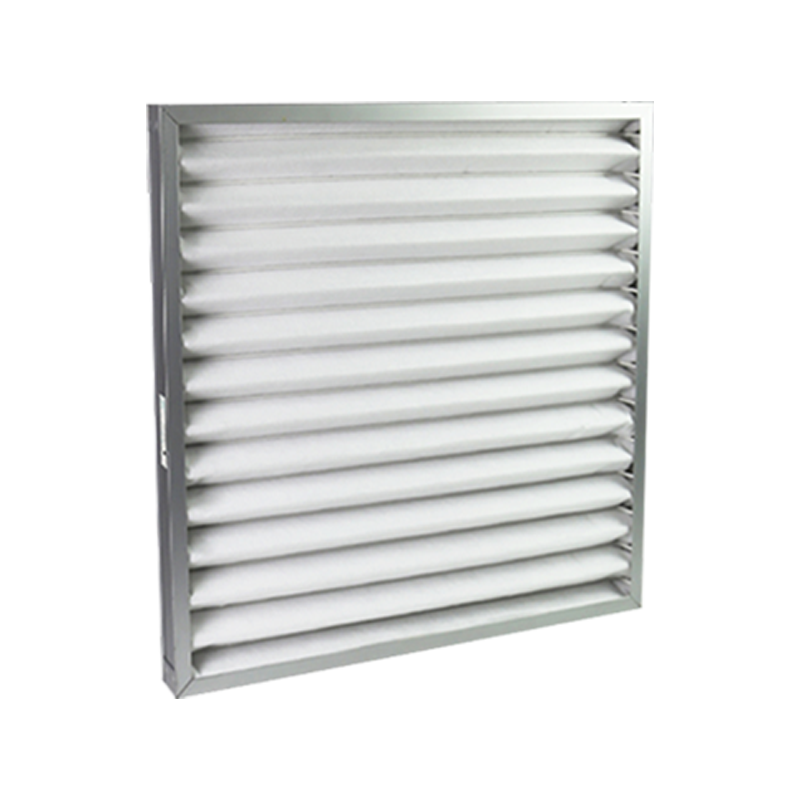
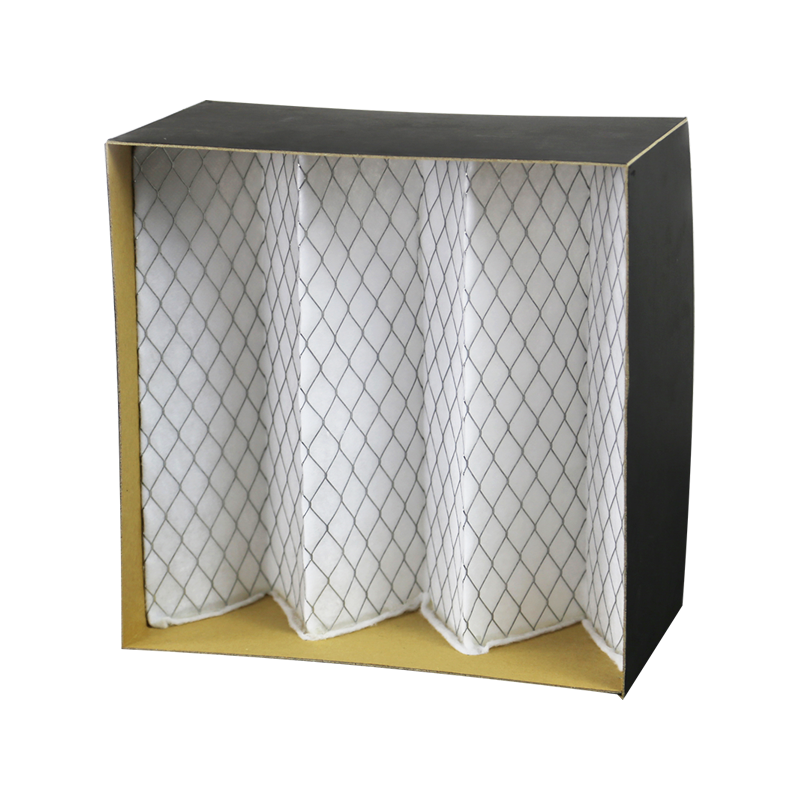
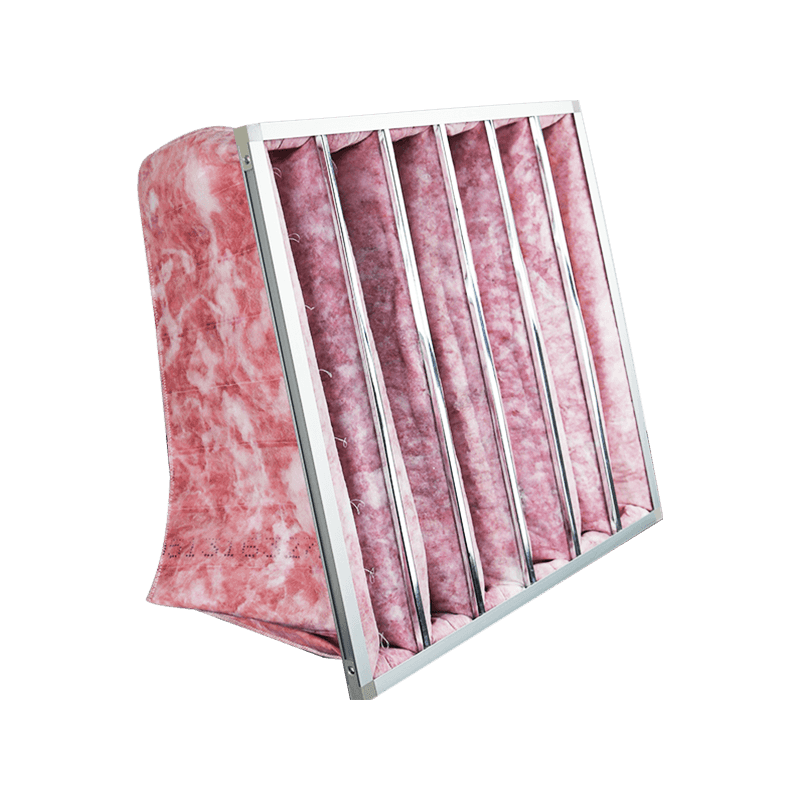
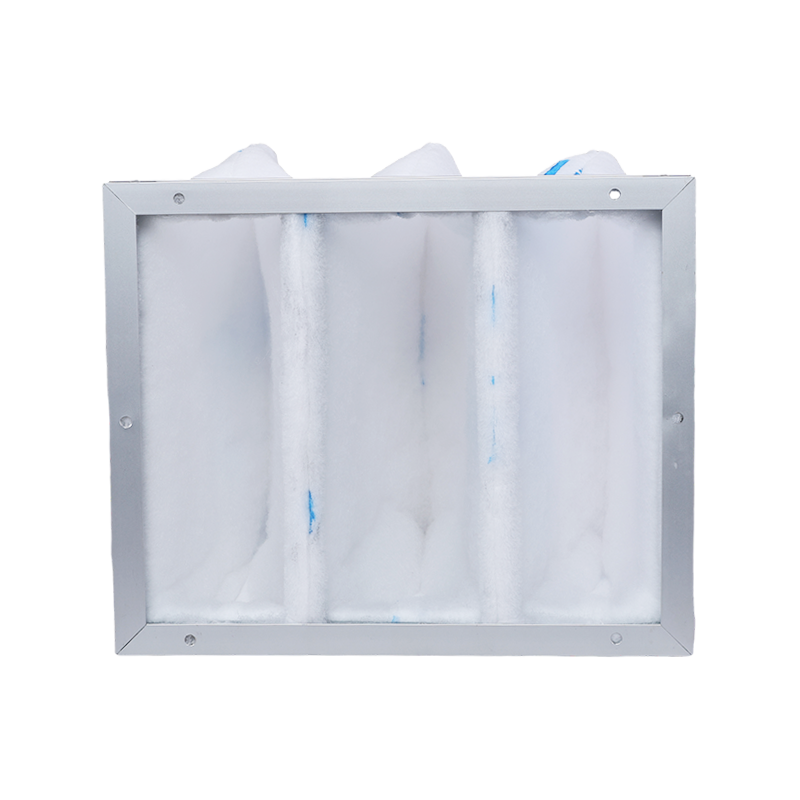
Bag Filters
Comprise multiple fabric pockets providing high dust-holding capacity and often used as primary filters in commercial HVAC systems.
What Are the Typical Applications of Primary Air Filters?
| Application | Description |
| Commercial Buildings | Offices, shopping malls, hotels |
| Industrial Facilities | Manufacturing plants, clean rooms |
| Residential HVAC | Homes and apartments |
| Hospitals & Labs | Pre-filtration before finer HEPA filters |
| Data Centers | Protecting sensitive electronic equipment |
Why Is Filter Efficiency Important?
Primary air filters typically have MERV ratings between 1 and 8, indicating their ability to trap particles from 10 microns and larger. While they do not remove ultra-fine particles, they are crucial in reducing the particulate load on secondary filters, which handle finer filtration.
Choosing the right efficiency depends on:
Environmental conditions (dust levels, pollution)
HVAC system design
Desired indoor air quality standards
How Often Should Primary Air Filters Be Replaced or Cleaned?
Filter replacement depends on usage conditions:
Commercial environments: Every 1-3 months
Industrial dusty areas: Monthly or more frequent
Residential use: Every 3 months or as needed
Washable mesh filters should be cleaned regularly to maintain airflow.
What Are the Benefits of Using Quality Primary Air Filters?
Prolong HVAC System Life: Prevent contaminants from damaging coils and fans.
Energy Savings: Clean filters reduce system pressure drop, saving energy.
Improved Air Quality: Capture large dust particles that cause allergies or irritation.
Cost-Effectiveness: Protect downstream filters, reducing frequent replacements.
How to Select the Right Primary Air Filter?
Filter Media Material: Choose based on dust type and moisture exposure.
Size and Fit: Ensure precise fit to prevent air bypass.
Pressure Drop: Low resistance filters maintain airflow and efficiency.
Dust Holding Capacity: High capacity reduces replacement frequency.
Application Environment: Industrial, commercial, or residential needs differ.
Frequently Asked Questions (FAQs)
What is the difference between primary and secondary air filters?
Primary filters capture larger particles and protect HVAC components, while secondary filters (like HEPA) remove finer contaminants.
Can primary filters remove allergens?
They capture large particles like pollen, but finer allergens require secondary filtration.
Are washable primary filters effective?
Yes, but they require regular cleaning to maintain performance.
How do I know when to replace my primary filter?
When airflow decreases or the filter appears visibly clogged.
Can primary air filters improve energy efficiency?
Yes, by preventing buildup on coils and reducing fan workload.
Conclusion
Primary air filters are a vital component of any air handling system. They serve as the first barrier against dust and debris, enhancing indoor air quality and protecting HVAC equipment from premature wear. Selecting the right type and maintaining it properly ensures system efficiency, longevity, and healthier environments.
What Are HEPA Filters and Why Are They Essential for Clean Air?
Breathe Easy: A Comprehensive Guide to Air Filters














Copyright 2023 Nantong Henka Environment Solutions Co.,Ltd. All Rights Reserved
 HEPA Air Filters Manufacturers Customized HEPA Air Filters Factory
 Tel: +86-13813766750
 E-mail:
  Add: 5169, Bin'gang Ave, Binjiang Subdistrict, Haimen City, Jiangsu, China