


 English
 русский
 Español
 简体中文
简体中文
From solutions to productions, we’re specialized in making the products you need.
Home / News / Industry News / What Are Medium Efficiency Air Filters and Are They Right for Your HVAC System?
Content
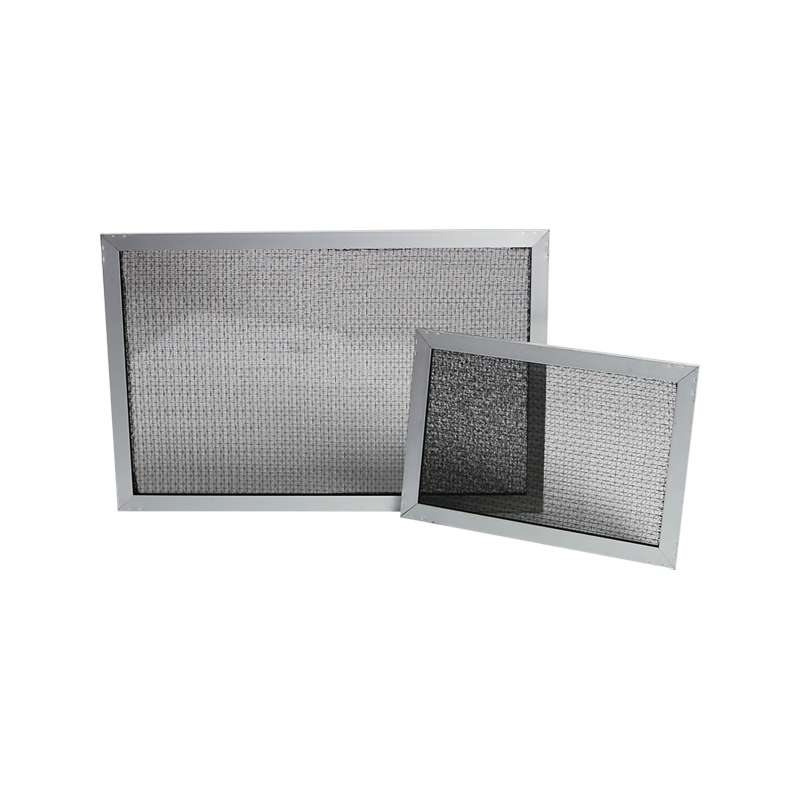
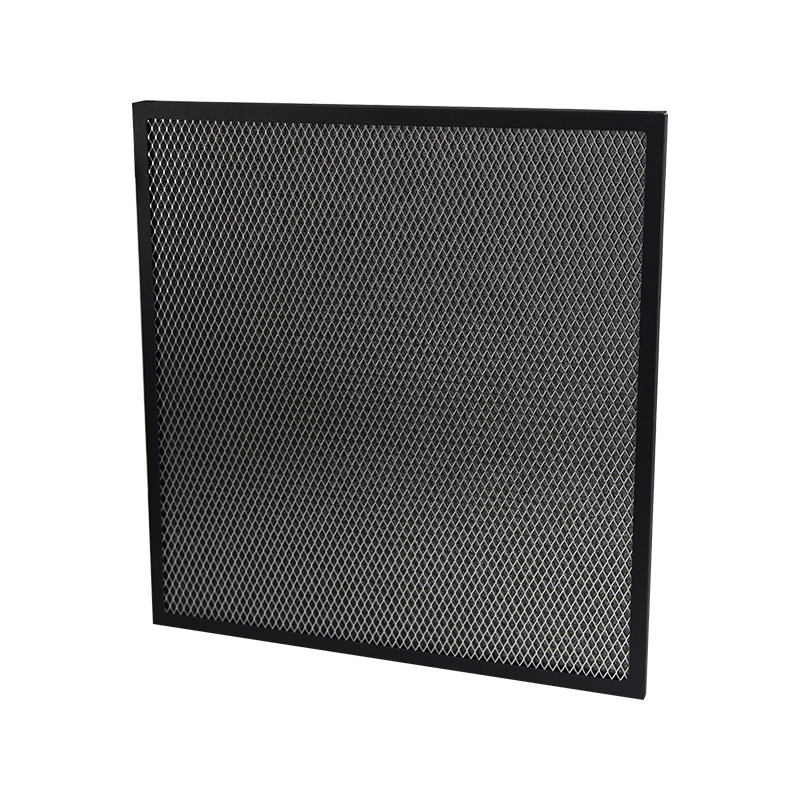
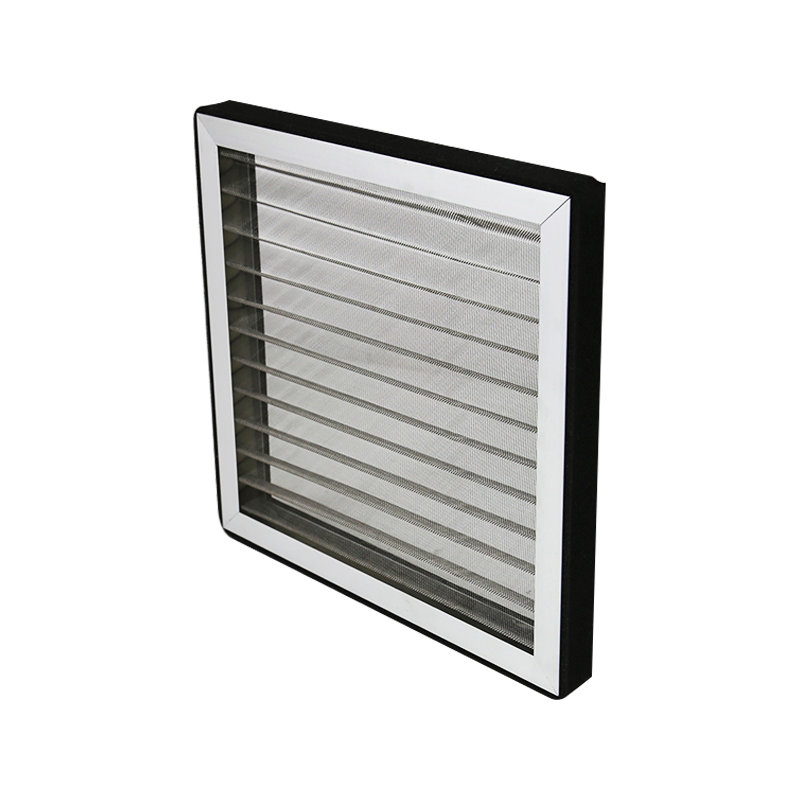
Medium efficiency air filters occupy the middle ground between basic fiberglass panel filters and high efficiency particulate air filters. They are designed to capture a meaningful percentage of airborne particles such as dust, pollen, mold spores, and pet dander while still allowing adequate airflow through residential and light commercial HVAC systems. Because they balance filtration performance with system compatibility, medium efficiency filters are among the most commonly recommended options for homeowners, property managers, and small business operators who want better air quality without the equipment strain that higher efficiency filters can sometimes cause.
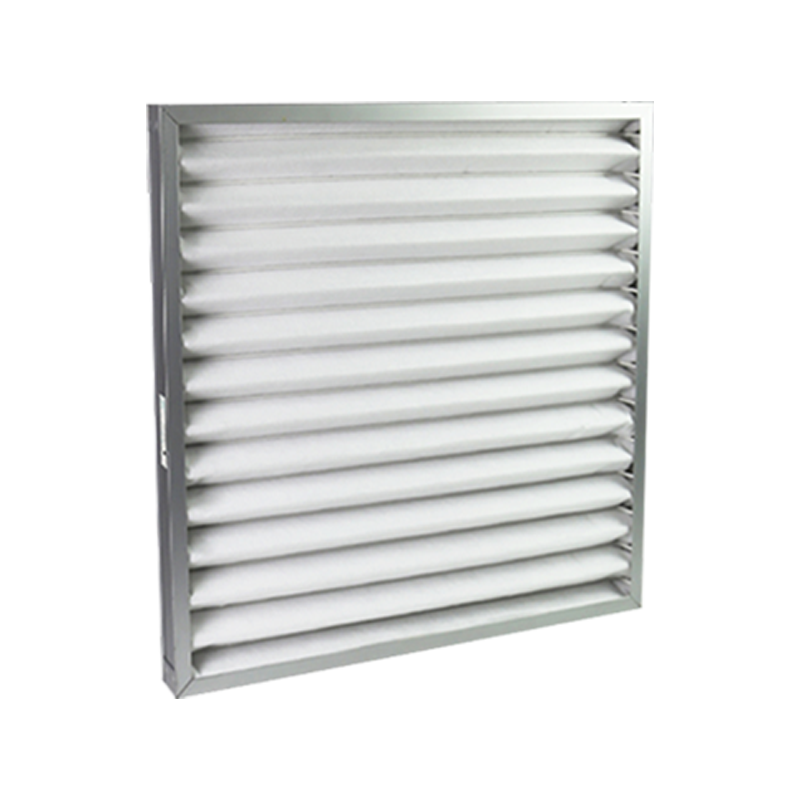
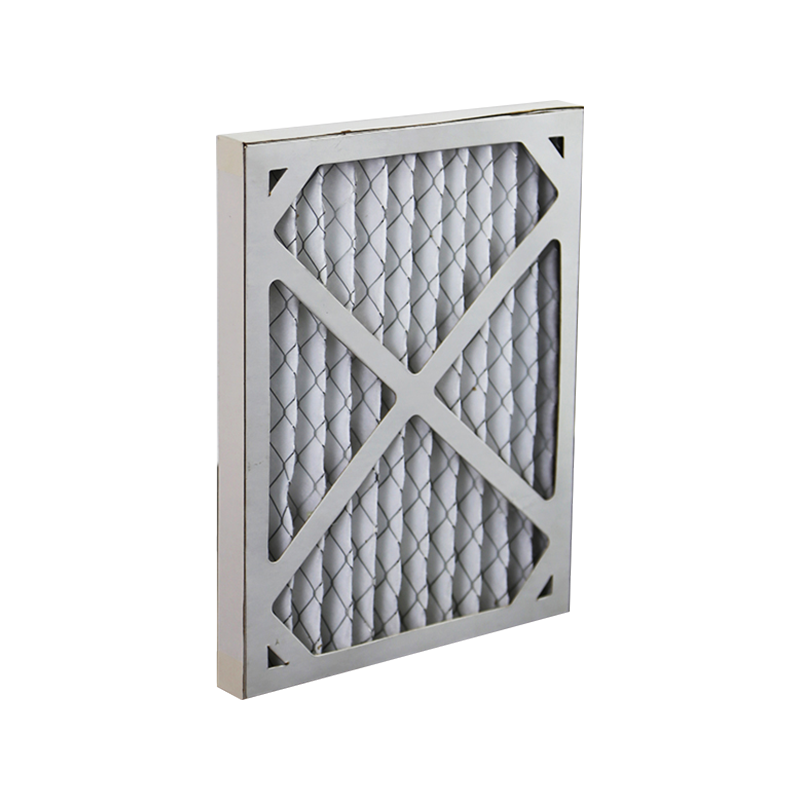
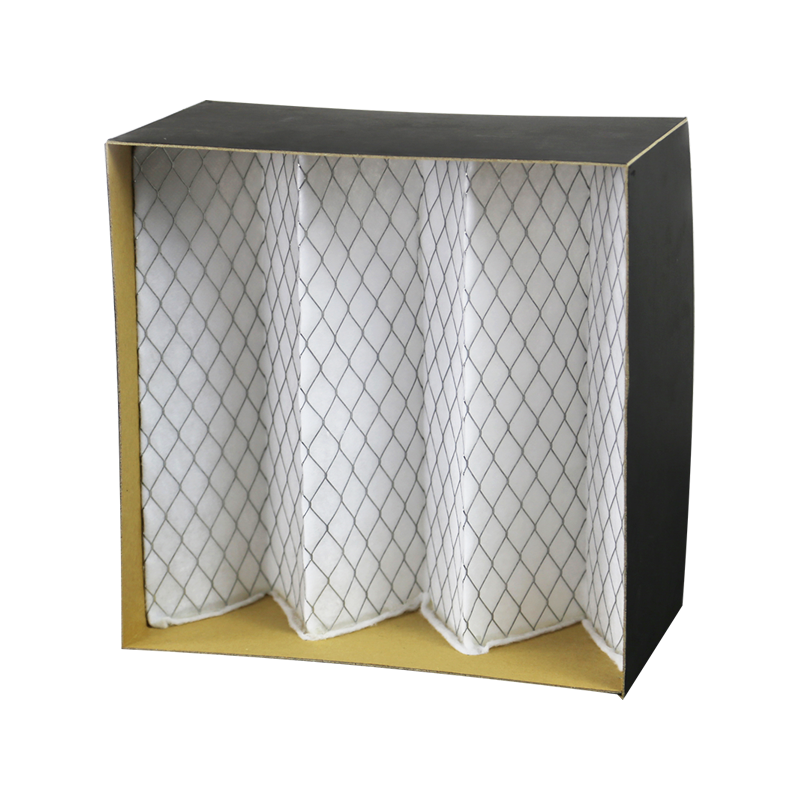
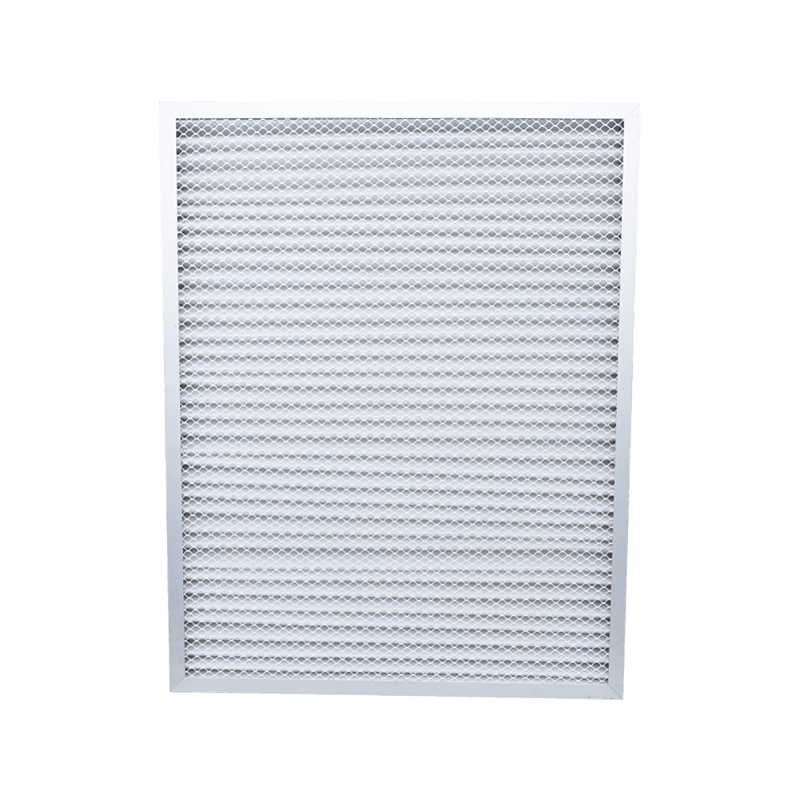
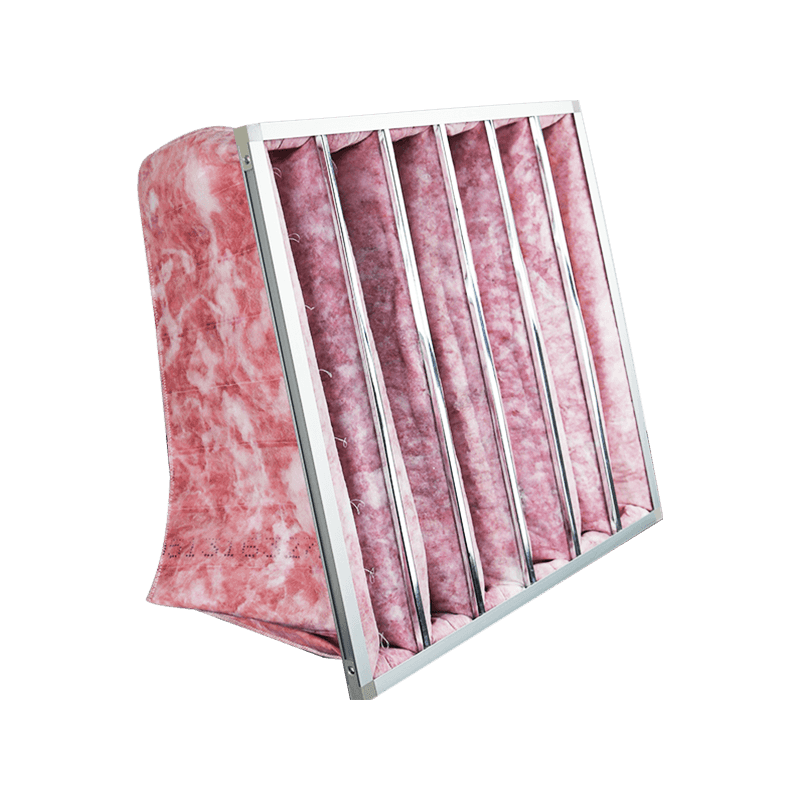
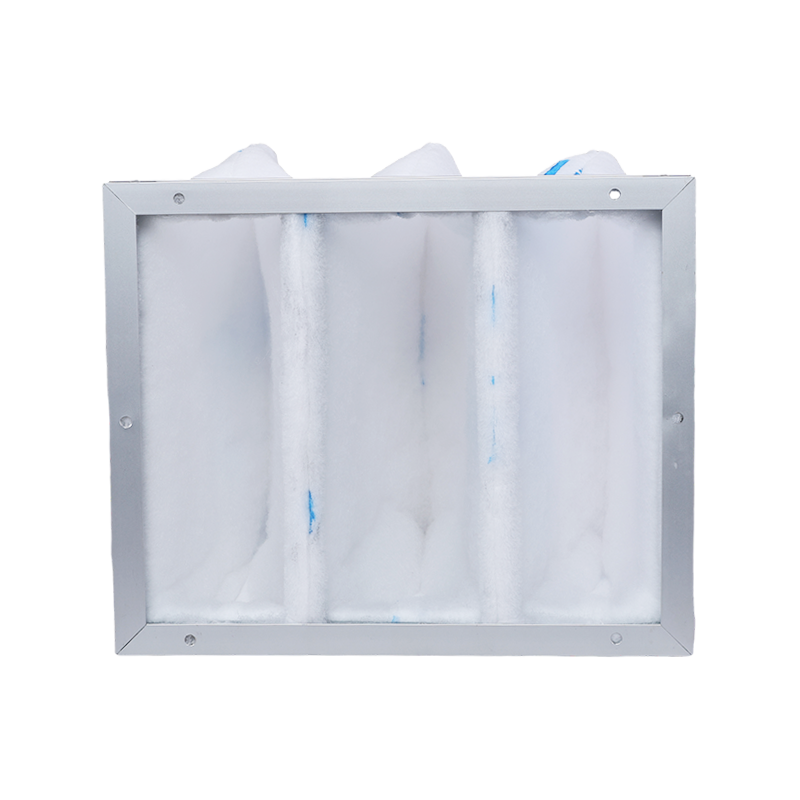
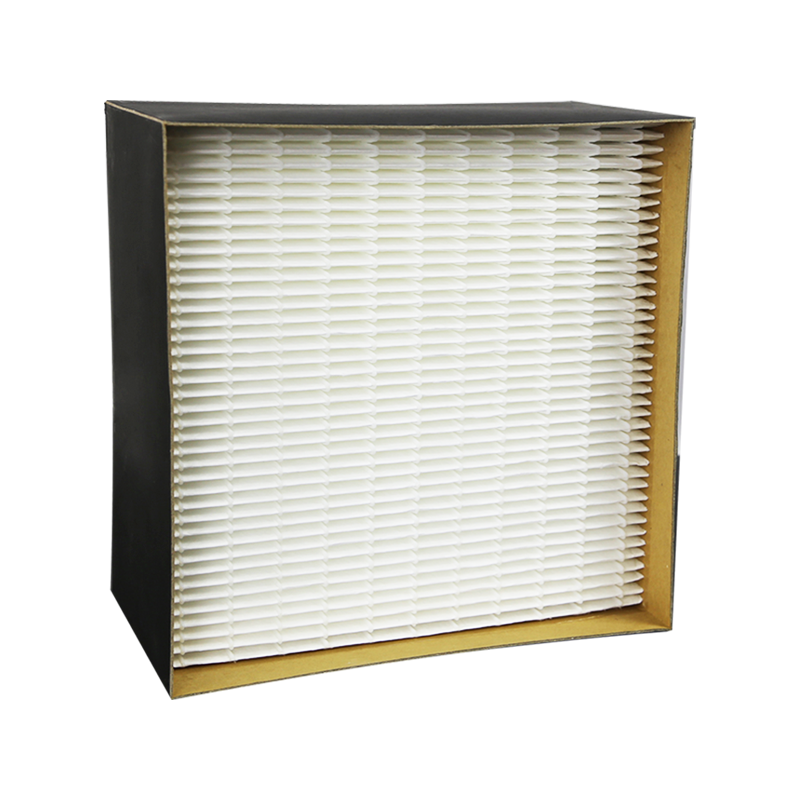
These filters are typically constructed from pleated synthetic fibers, cotton paper blends, or polyester media, which increases the surface area available for trapping particles compared to flat fiberglass filters. The pleated design also helps extend the filter's usable life before it becomes clogged enough to restrict airflow significantly.
The Minimum Efficiency Reporting Value, commonly known as MERV, is the standard measurement used to compare air filter performance. Medium efficiency filters generally fall within the MERV 8 to MERV 13 range. A MERV 8 filter captures larger particles such as dust mites, sanding dust, and lint, while a MERV 13 filter can trap much smaller particles including some bacteria and tobacco smoke residue. As the MERV rating increases within this range, filtration improves, but airflow resistance also increases slightly, which is an important factor for older or smaller HVAC systems.
It is worth noting that MERV ratings above 13 move into high efficiency territory, often requiring HVAC systems specifically designed to handle the increased static pressure. Staying within the medium efficiency range allows most standard residential systems to benefit from improved filtration without needing equipment modifications.
Understanding where medium efficiency filters fit relative to other options helps clarify why they are often the recommended default for everyday use. The comparison below summarizes the key tradeoffs.
| Filter Type | MERV Range | Particle Capture | Airflow Impact |
| Low Efficiency | 1-7 | Large particles only | Minimal restriction |
| Medium Efficiency | 8-13 | Dust, pollen, mold spores, some bacteria | Moderate restriction |
| High Efficiency | 14-20 or HEPA | Fine particles, smoke, most bacteria and viruses | Significant restriction |
For most homes and standard commercial spaces, medium efficiency filters provide a practical improvement in indoor air quality without the airflow penalties or higher costs associated with high efficiency or HEPA filtration systems.
Medium efficiency air filters are used across a wide range of settings where moderate air quality improvement is needed without overburdening the HVAC equipment. Typical applications include the following.
Before selecting a MERV rating within the medium efficiency range, check the HVAC manufacturer's recommended maximum rating. Some older or smaller blower motors are not designed to handle the airflow resistance of a MERV 13 filter, and forcing one into an incompatible system can reduce efficiency, increase energy consumption, and shorten equipment lifespan.

Homes with pets, allergy sufferers, or nearby construction activity often benefit from selecting the higher end of the medium efficiency range, such as MERV 11 or 13, since these ratings capture smaller allergens and finer dust particles. Spaces without significant air quality concerns may find a MERV 8 filter sufficient while offering lower replacement costs and reduced strain on the blower motor.
Pleated filters with a higher pleat count generally offer more surface area for particle capture and tend to last longer between replacements compared to filters with fewer, shallower pleats. Checking the filter frame for sturdy cardboard or metal construction also helps prevent air from bypassing the filter media through gaps, which would reduce overall filtration effectiveness.
Medium efficiency filters typically need replacement every 60 to 90 days under normal household conditions, though this can vary based on factors such as pet ownership, local air quality, and how frequently the HVAC system runs. Homes with pets or in areas with high pollen counts may need to replace filters closer to every 45 to 60 days to maintain consistent performance.
The primary advantage of medium efficiency air filters is their balanced performance, offering noticeably better particle capture than basic filters while remaining compatible with most standard HVAC systems. They also tend to be more affordable than high efficiency or HEPA options, making regular replacement more financially sustainable for ongoing maintenance.
However, medium efficiency filters are not designed to capture the smallest airborne particles, such as certain viruses or extremely fine smoke particulates, which require higher efficiency filtration to address effectively. For most everyday residential and light commercial needs, though, medium efficiency filters strike a practical balance that improves indoor air quality while protecting HVAC equipment from undue strain, making them a sensible default choice for ongoing air filtration needs.
Which Type of Industrial Cartridge Filter Is Right for Your Application?
Are All HEPA Filters the Same — or Are You Buying False Protection?














Copyright 2023 Nantong Henka Environment Solutions Co.,Ltd. All Rights Reserved
 HEPA Air Filters Manufacturers Customized HEPA Air Filters Factory
 Tel: +86-13813766750
 E-mail:
  Add: 5169, Bin'gang Ave, Binjiang Subdistrict, Haimen City, Jiangsu, China